




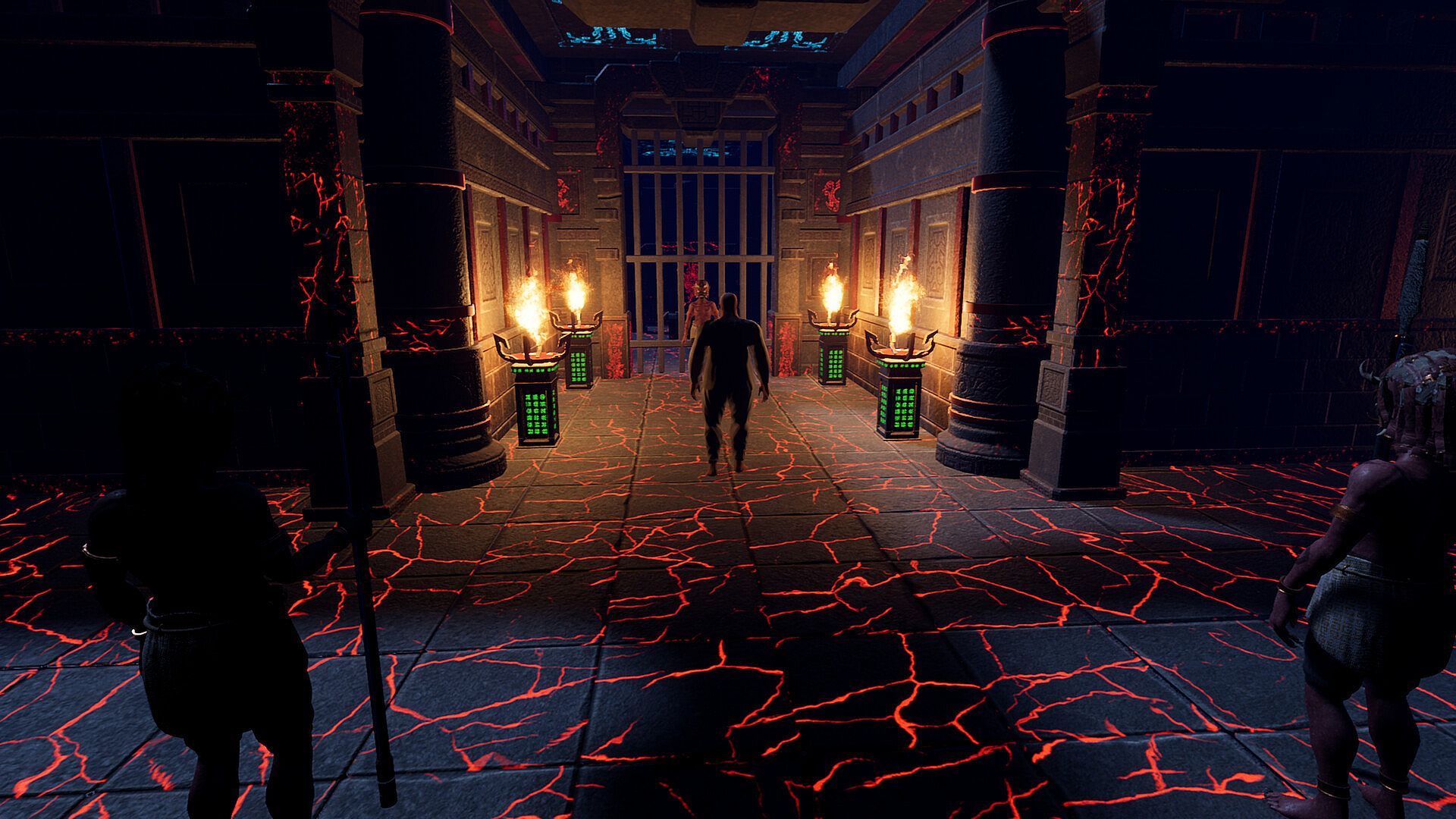
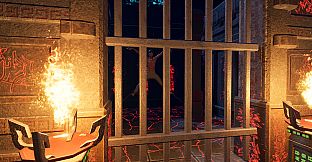
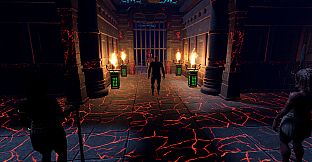
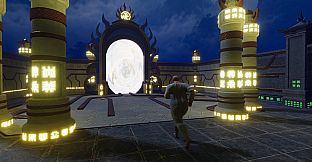
Court of Karma: Soul Check is a single-player strategy, simulation, and adventure game set in an underworld courtroom where players act as judges over the souls of the dead. The core premise places you in charge of examining deceased individuals, weighing their past actions, and determining outcomes that range from reincarnation to harsher eternal penalties. Every decision carries weight, as errors can ripple outward and affect the living world.
Gameplay
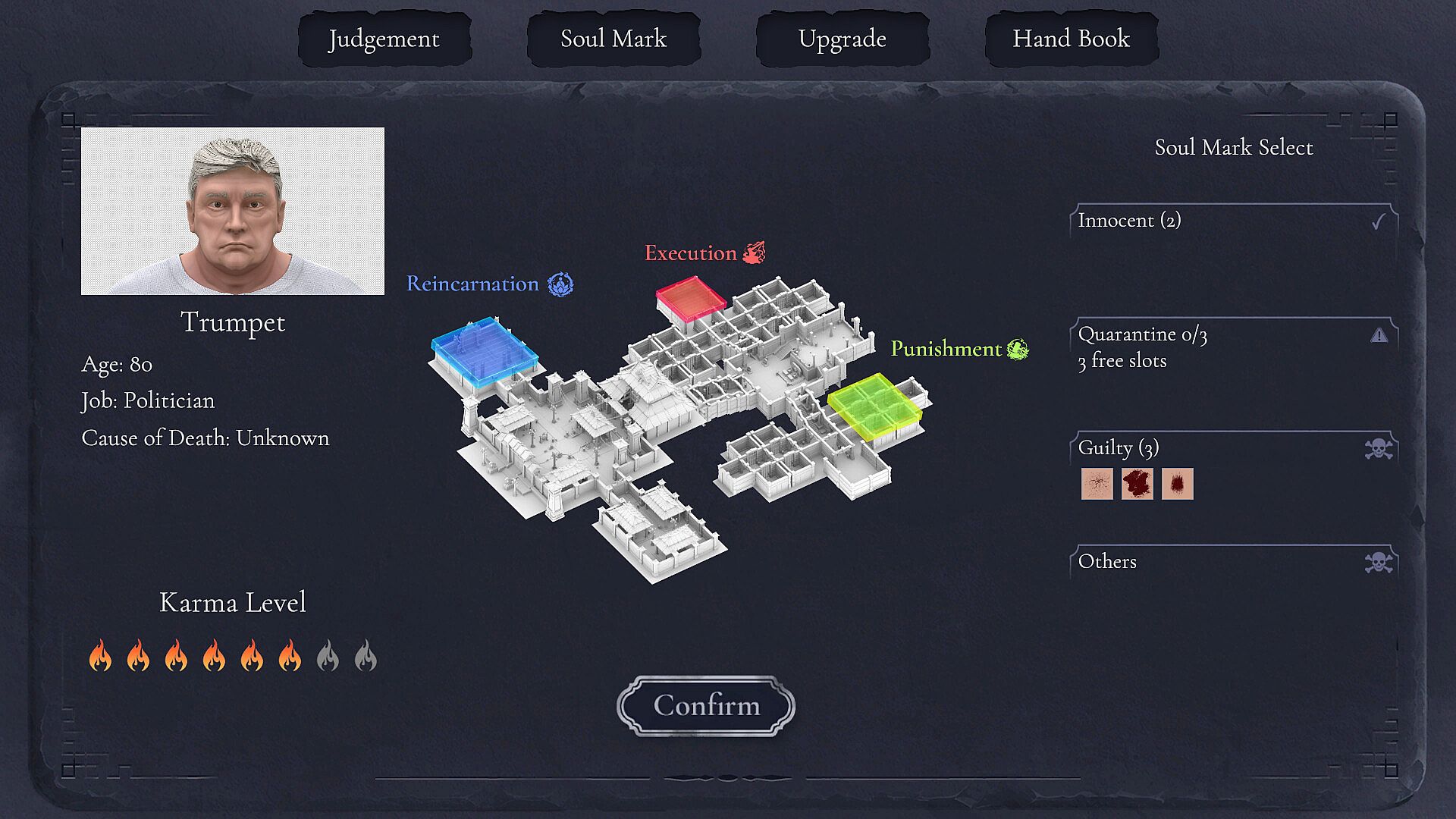
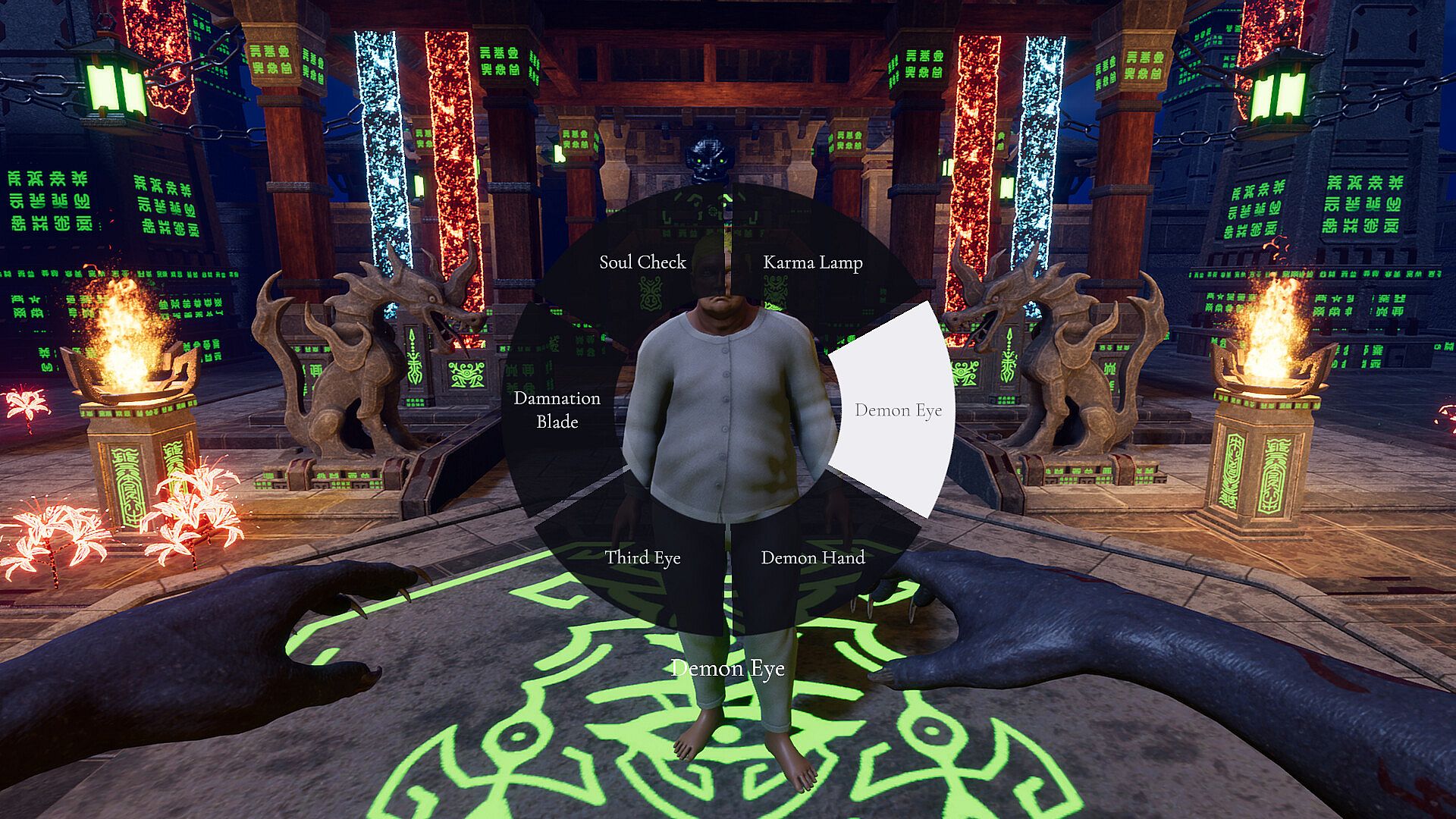
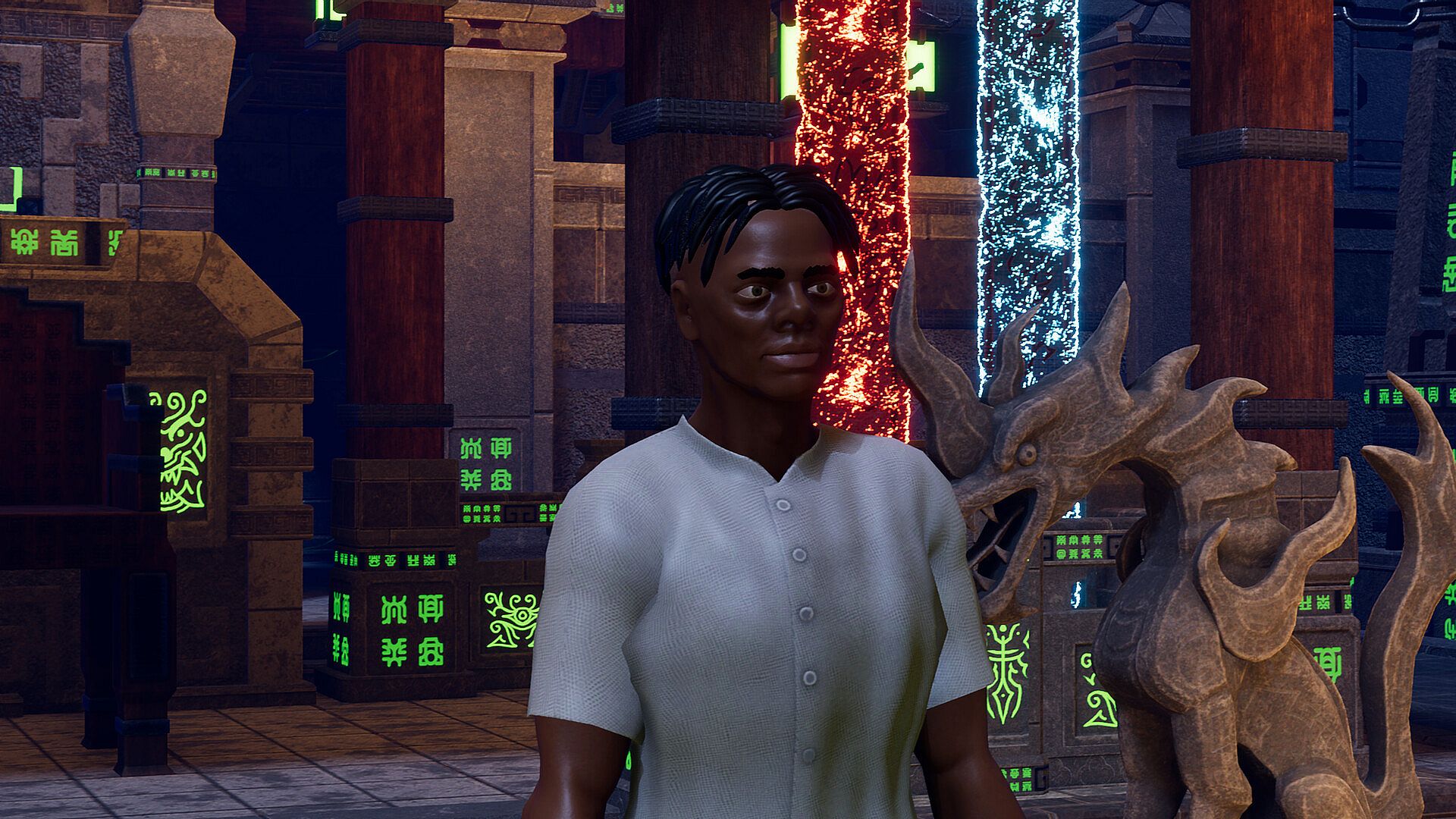
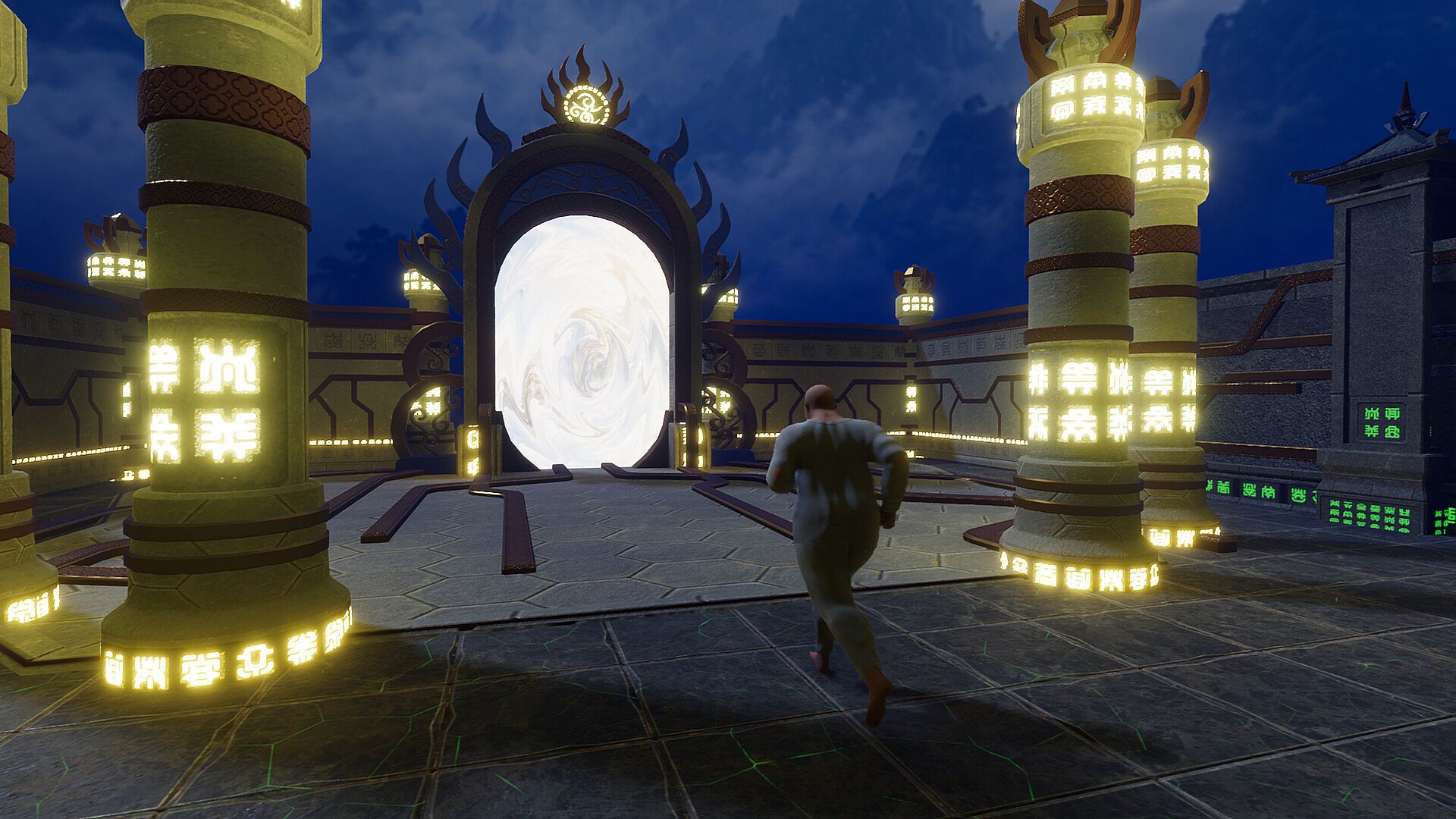
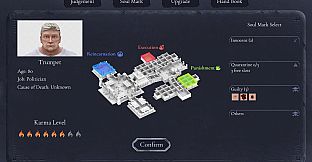
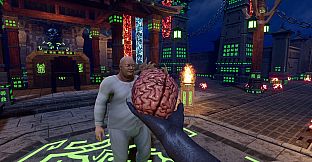
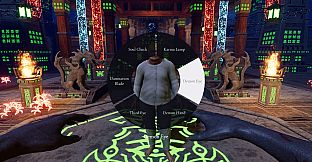
The central loop revolves around close inspection of each arriving soul. Players examine physical marks and hidden traces left by past lives, piecing together evidence of wrongdoing or innocence. This process requires careful observation to distinguish genuine accounts from misleading ones. Once the facts are assembled, verdicts follow: some souls receive a chance at rebirth, others face confinement in Hell, and the most severe cases result in complete destruction to prevent any return.
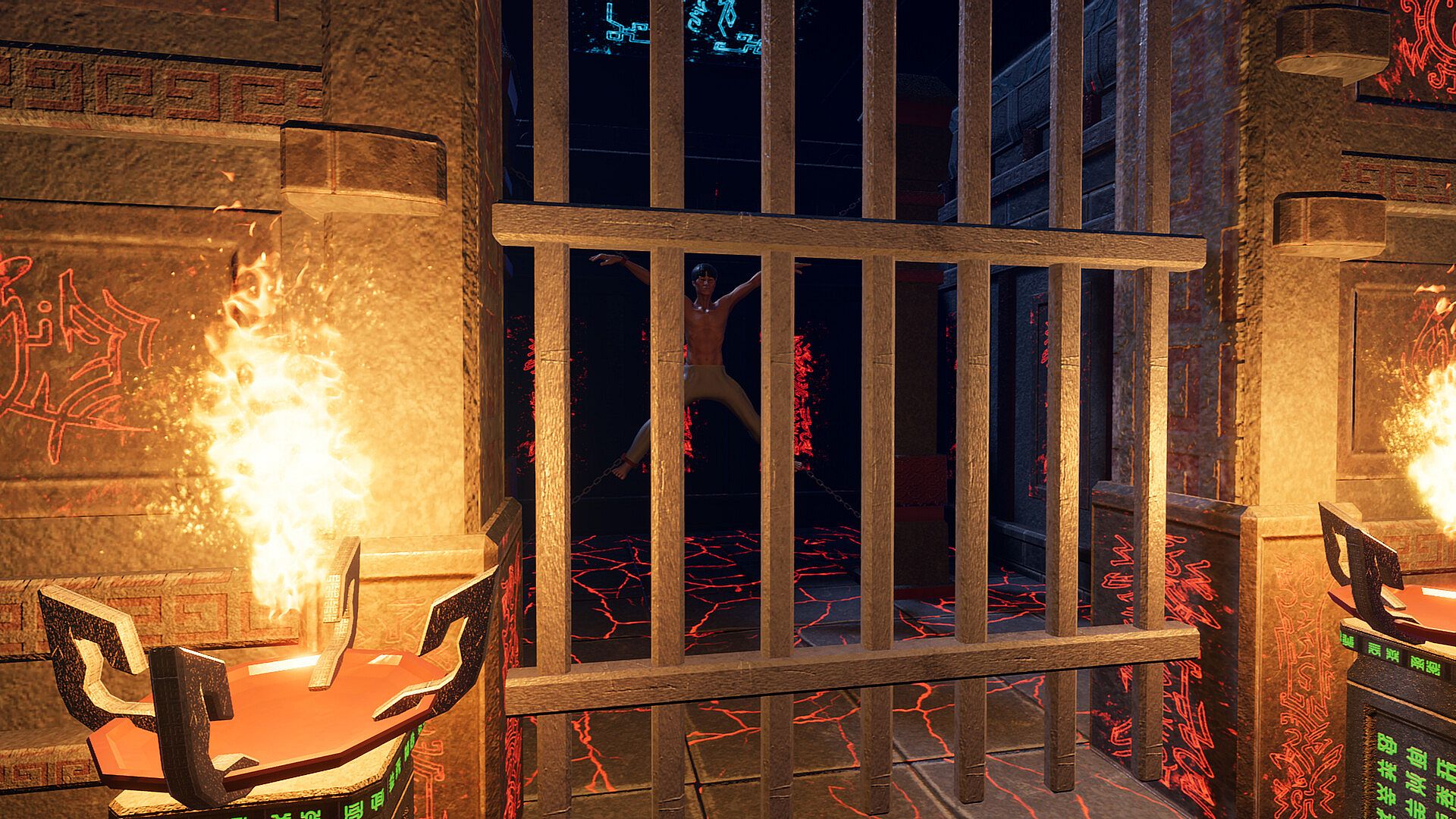
Judgment forms only part of the responsibilities. After rulings, players must allocate the souls under their care throughout the underworld domains. Poor distribution risks unrest or outright rebellion among the condemned. The simulation elements emphasize resource-like management of these entities while tracking how individual choices influence broader stability. Consequences extend beyond the immediate setting, with wrongful reincarnations potentially triggering disasters in the mortal realm.
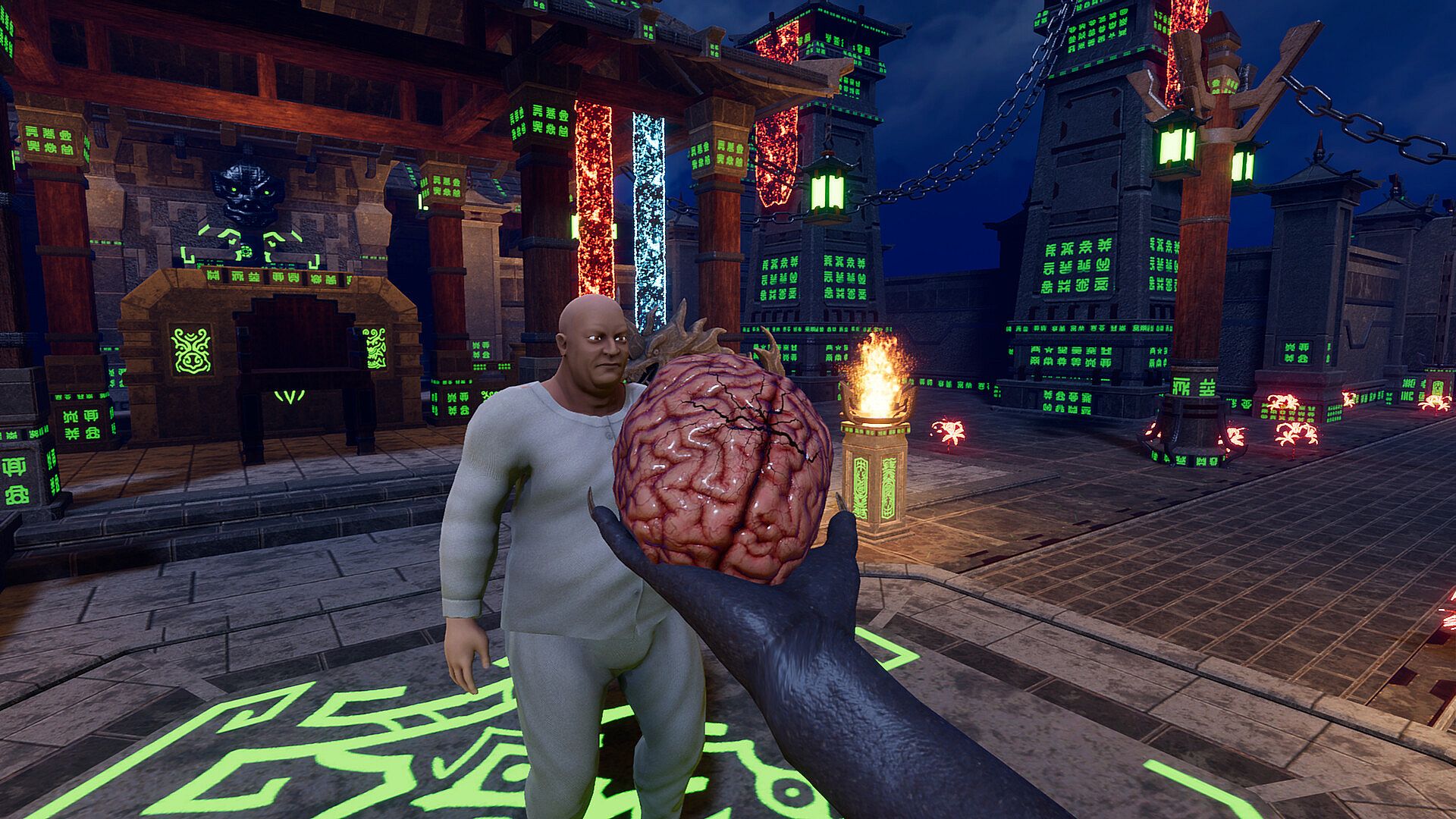
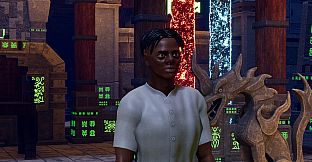
Visual examination plays a key role, as sins manifest in tangible ways on the bodies presented for review. Players look beneath surfaces for clues that contradict surface stories. This methodical approach suits those who prefer deliberate pacing over rapid action, blending investigative work with long-term oversight of an entire realm.
Game Modes
The experience centers on a single-player campaign that unfolds through successive soul examinations and management tasks. There are no separate competitive or cooperative modes confirmed at this stage. Instead, the structure builds around repeated cycles of inspection, verdict, and underworld administration, with each cycle introducing new variables that test consistency in judgment.
Progression ties directly to maintaining order while handling an ongoing flow of arrivals. The absence of multiplayer elements keeps the focus on personal decision-making and its accumulating effects. Players navigate these sequences at their own pace, with the simulation aspects growing in complexity as more souls enter the system and prior verdicts begin to influence later events.
Key Mechanics and Systems
Body inspection serves as the primary tool for uncovering truth. Traces of violence, deception, or other misdeeds appear as physical indicators that must be interpreted correctly. Wrong verdicts introduce chain reactions, where a single lenient ruling on a dangerous soul can destabilize multiple layers of the underworld or spill harm into the world above.
Management of custody adds a strategic layer. Souls require placement across different sectors, and imbalances can lead to uprisings that demand immediate correction. This system rewards foresight, as early choices about punishment or release affect the resources and threats present in subsequent sessions.
The game incorporates dark thematic elements, including graphic depictions of violence and death during examinations. These visuals support the narrative weight of each case without altering the core decision loop.
Is It Worth Playing?
With a planned release in Q1 2027 and no user reviews available yet, Court of Karma: Soul Check remains an unreleased title. Its appeal lies in the combination of investigative simulation and consequence-driven management for players who enjoy thoughtful, single-player experiences centered on moral and logistical choices. Those drawn to games that reward close attention to detail and long-term planning may find the described systems engaging once it launches.
The emphasis on uncovering hidden truths through examination and then balancing underworld stability provides a focused loop without extraneous features. Availability will be limited to PC through Steam, with support for achievements and cloud saves. Potential players should consider their tolerance for mature themes involving death, guilt, and punishment, as these form an integral part of the presentation. If the premise of judging souls and managing their fates aligns with preferred play styles, the game merits placement on a wishlist for its upcoming arrival.












