










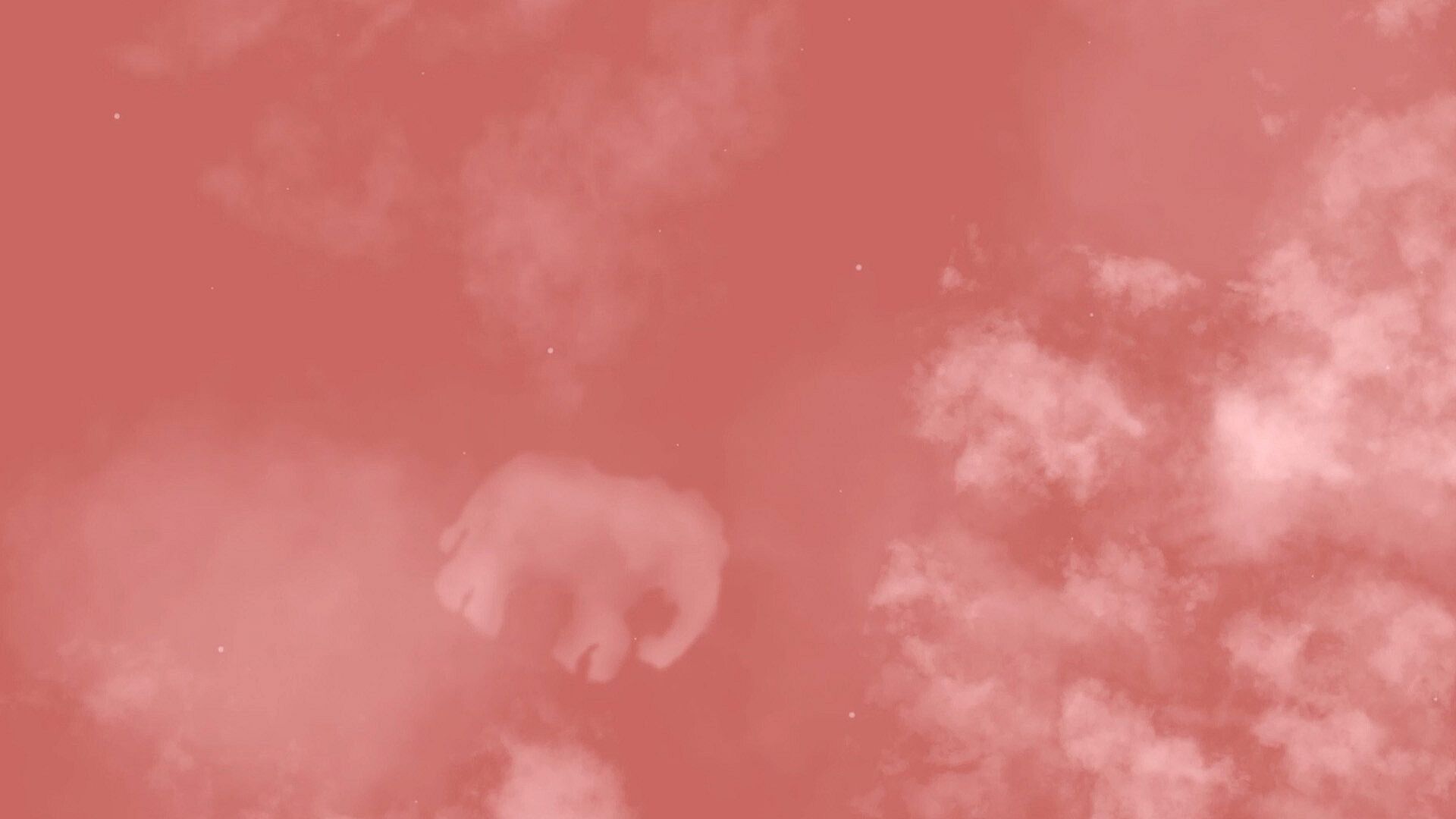




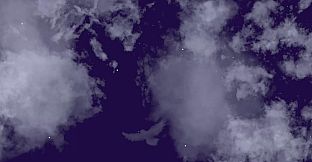

Cloudgazer: A Game About Watching Clouds es un simulador indie casual para PC que convierte la contemplación del cielo en una actividad tranquila y sin prisas. Los jugadores observan formaciones de nubes generadas de forma procedural e identifican figuras reconocibles en ellas, centrando la experiencia en la relajación y el descubrimiento personal en lugar de objetivos o competición.
Gameplay
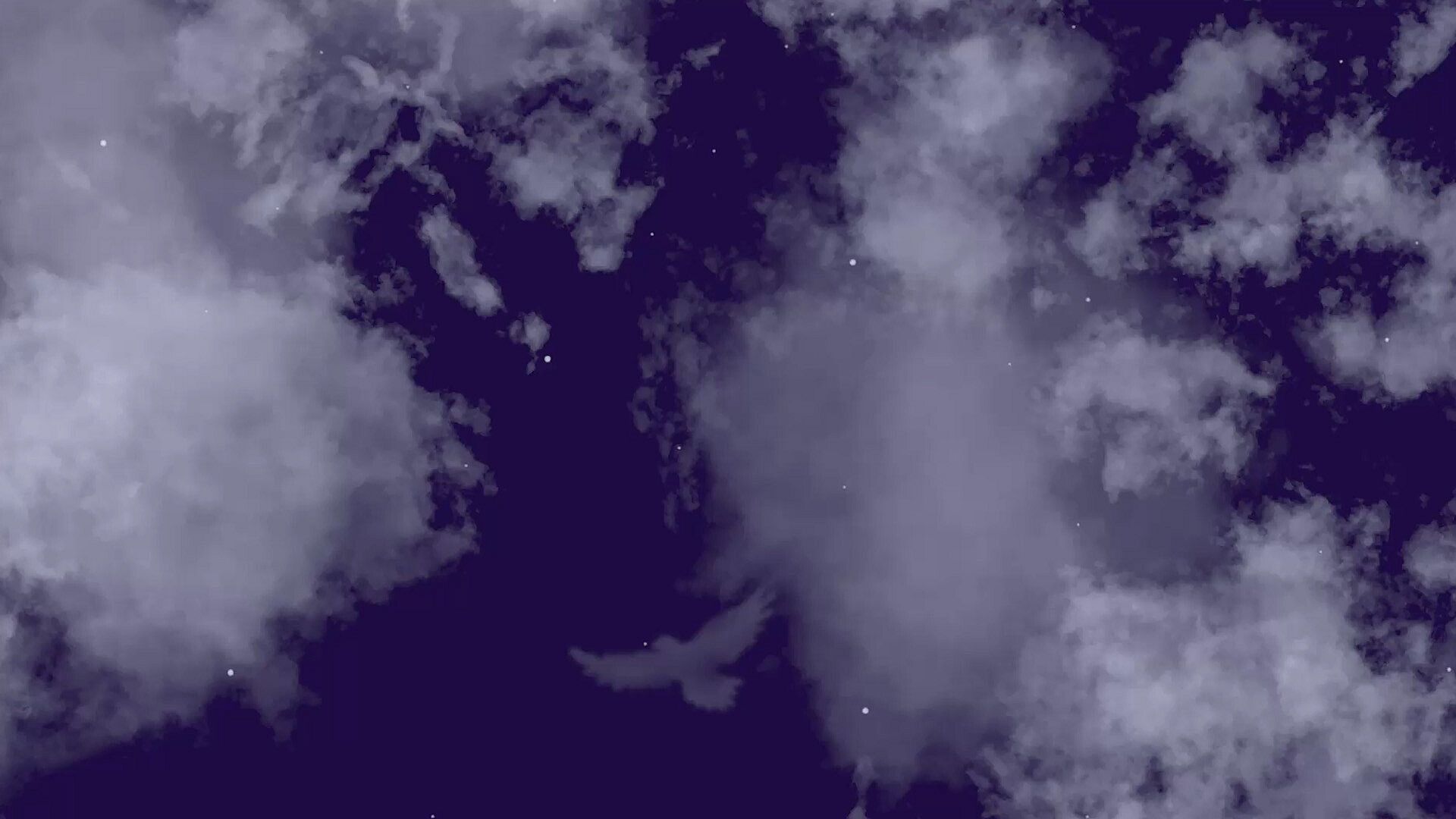
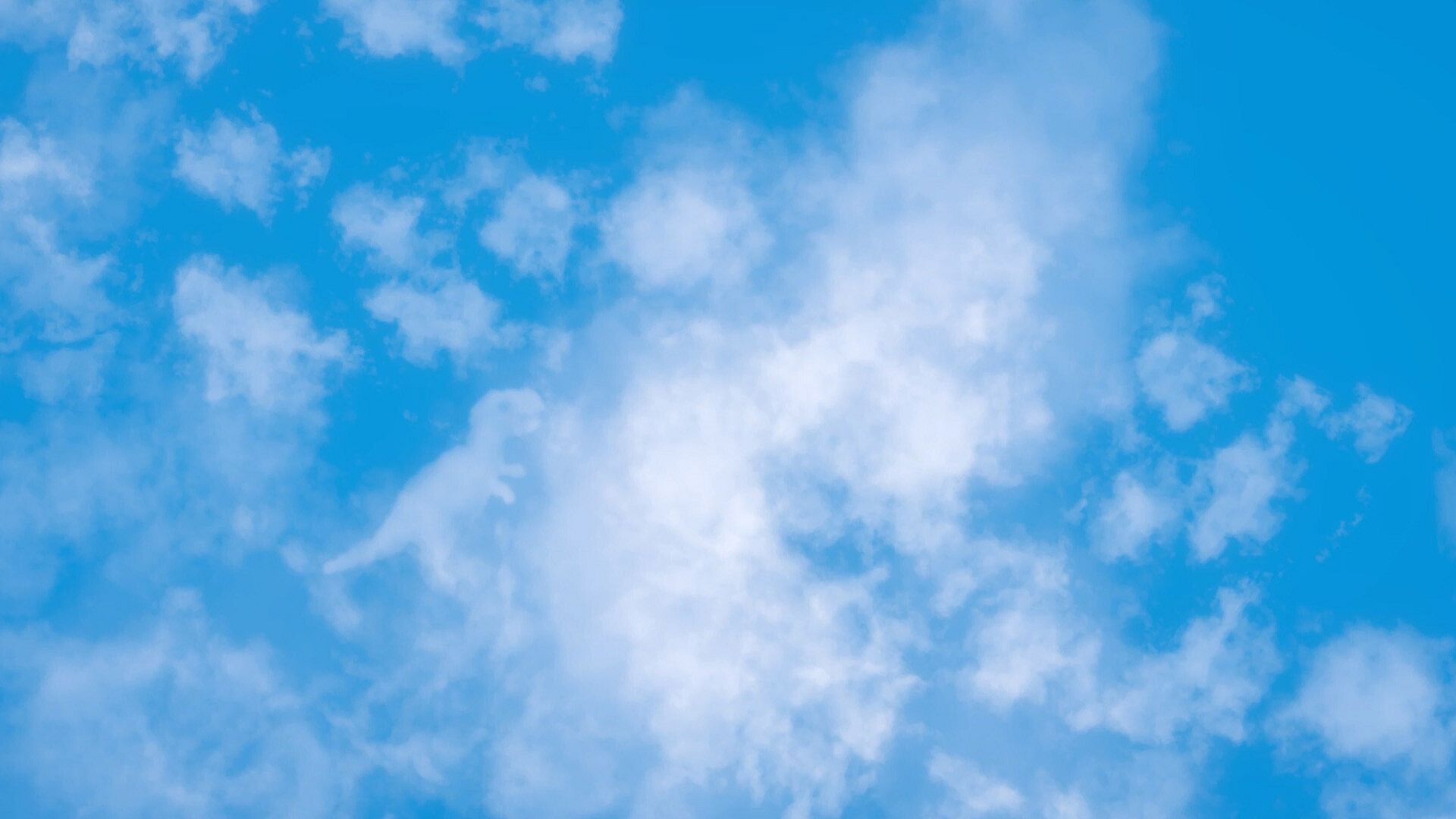
La experiencia gira en torno a una simulación realista de nubes que crea cielos únicos en cada sesión. Las nubes se desplazan de forma natural, modificando su forma y densidad según un modelo meteorológico interno. Un ciclo completo de día y noche transforma la iluminación, desde la luz diurna hasta los tonos dorados del atardecer y las noches estrelladas, lo que cambia la percepción de las figuras y anima a repetir las sesiones en distintos momentos.
La interacción se mantiene intencionadamente sencilla. Los jugadores ajustan el ángulo de cámara y el nivel de zoom para explorar distintas zonas del cielo, permitiendo observar de cerca los bordes y las formas de las nubes. El sistema resalta las figuras posibles únicamente a través de la observación del jugador, sin indicaciones en pantalla ni sistemas de puntuación que interrumpan el ritmo. De este modo se entrena el reconocimiento de patrones en formas ambiguas, un fenómeno conocido como pareidolia, mientras la ausencia de temporizadores o estados de fallo mantiene la atención en el disfrute.
Los elementos dinámicos garantizan variedad entre partidas. Los patrones de viento y las condiciones atmosféricas generan configuraciones nuevas, por lo que el mismo cielo rara vez se repite de forma idéntica. Los jugadores pueden detenerse en una sola formación o explorar el conjunto, adaptando el ritmo a su preferencia sin presiones externas.
Game Modes
Cloudgazer funciona exclusivamente como experiencia para un solo jugador, sin modos separados ni componentes multijugador. La actividad principal consiste en la exploración libre del cielo simulado, donde la única estructura proviene del avance del ciclo día-noche y de la generación continua de nuevas formas de nubes.
Las sesiones transcurren sin objetivos ni niveles predefinidos. Los usuarios acceden al entorno y comienzan a observar de inmediato, mientras la simulación gestiona todos los cambios ambientales en segundo plano. Este enfoque unificado permite tanto pausas breves como periodos de observación prolongados, adaptándose a los horarios de cada persona en lugar de imponer una estructura de juego fija.
Visual and Atmospheric Design
Los gráficos destacan por un renderizado fotorealista de las nubes que captura variaciones sutiles de luz, sombra y textura. La simulación reproduce el comportamiento natural de las nubes, generando formaciones que van desde densos cúmulos hasta finos cirros, cada una capaz de evocar animales, objetos o figuras abstractas según el ángulo de visión.
Las transiciones de color a lo largo del ciclo día-noche aportan profundidad, con los tonos del amanecer y el atardecer fundiéndose en el crepúsculo y en cielos nocturnos salpicados de estrellas. Estos cambios influyen en la visibilidad y el ambiente, ofreciendo perspectivas renovadas de las mismas estructuras nubosas con el paso del tiempo. La presentación prioriza la calma y la inmersión mediante efectos atmosféricos precisos en lugar de un estilo artístico marcado.
Is It Worth Playing?
Cloudgazer resulta ideal para quienes buscan un simulador contemplativo sin acción ni sistemas de progresión. Su enfoque en el descubrimiento de formas y la variedad atmosférica proporciona una forma constante de desconectar, especialmente cuando las condiciones reales limitan el acceso al cielo. El formato para un solo jugador y la ausencia de elementos competitivos lo hacen accesible para sesiones casuales de cualquier duración.
El juego se encuentra aún en fase de prelanzamiento, con salida prevista para septiembre de 2026, por lo que todavía no hay opiniones de jugadores disponibles. Quienes se sientan atraídos por los simuladores indie centrados en la relajación y la interpretación personal encontrarán que las mecánicas descritas coinciden plenamente con ese interés. El énfasis en la observación repetida y sin prisas favorece el engagement continuo gracias a la variedad natural del sistema de nubes.