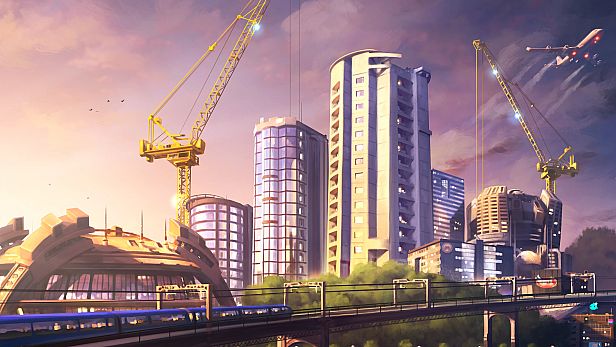



Cities: Skylines is a strategy simulation game focused on city building and management. Players take on the role of mayor and construct urban areas from scratch on the PlayStation 4, handling zoning, infrastructure, and citizen needs in a single-player experience.
Gameplay
The core loop centers on expanding a starting plot of land through road placement and zoning for residential, commercial, and industrial areas. Basic services such as power generation, water supply, and sewage systems must be established early to attract residents and support growth. As population increases, new facilities unlock for education, healthcare, policing, firefighting, and waste management, all while balancing the city budget through taxes and service costs.
Traffic forms a major challenge, with an extensive simulation that tracks citizen movement between homes, jobs, and leisure spots. Multiple transport options including buses, metros, and other systems help alleviate congestion and connect different parts of the city. The day-night cycle, part of the included After Dark content, shifts activity patterns as citizens seek entertainment after work hours, adding layers to service planning and tourism elements.
Districts allow players to divide the city into specialized zones and apply targeted policies. Examples include designating car-free downtown areas, providing free public transport along waterfronts, or restricting certain activities in residential suburbs. These tools influence building types, service efficiency, and overall city character without altering the fundamental simulation rules.
Game Modes
The game operates in an open-ended sandbox format where players start with a blank map and build freely. Progression occurs through population milestones that unlock additional buildings, services, and map tiles for expansion. No linear campaign exists, so the focus remains on long-term city development and problem-solving.
Optional starting settings permit infinite funds or immediate access to all unlocks for those who prefer unrestricted creative building over initial resource management. The single-player structure emphasizes personal experimentation with layouts, policies, and transport networks across multiple map choices.
Key Mechanics and Systems
Economy management requires constant attention to income from zoned areas versus upkeep for infrastructure and services. Pollution, health, and employment levels affect citizen satisfaction and migration patterns. Outside connections to neighboring regions support industry by enabling exports and additional traffic flow.
Policy application extends beyond districts to city-wide effects in categories like taxation, services, and planning. These adjustments can promote specific industries, reduce certain emissions, or alter building heights and densities. The simulation reacts dynamically, with citizens responding to changes in real time through their daily routines.
Is It Worth Playing?
Players who enjoy detailed city management and iterative problem-solving will find substantial depth here. The simulation handles complex interactions between traffic, services, and economy in a way that rewards careful planning and adjustments over time. Console controls on PS4 adapt the interface for controller use while retaining the full range of building and policy tools.
Reception has been consistently positive across platforms, with praise for the accessible yet challenging systems and the freedom to shape unique cities. The PS4 edition launched with the After Dark expansion integrated, providing night-time visuals and related mechanics from the start. Those seeking a focused single-player city builder without multiplayer elements or competitive factions will appreciate the emphasis on personal creativity and ongoing refinement.