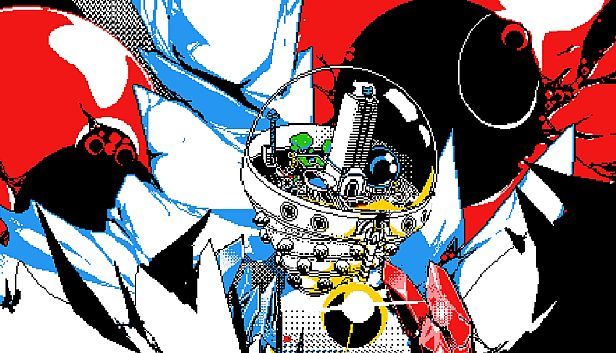


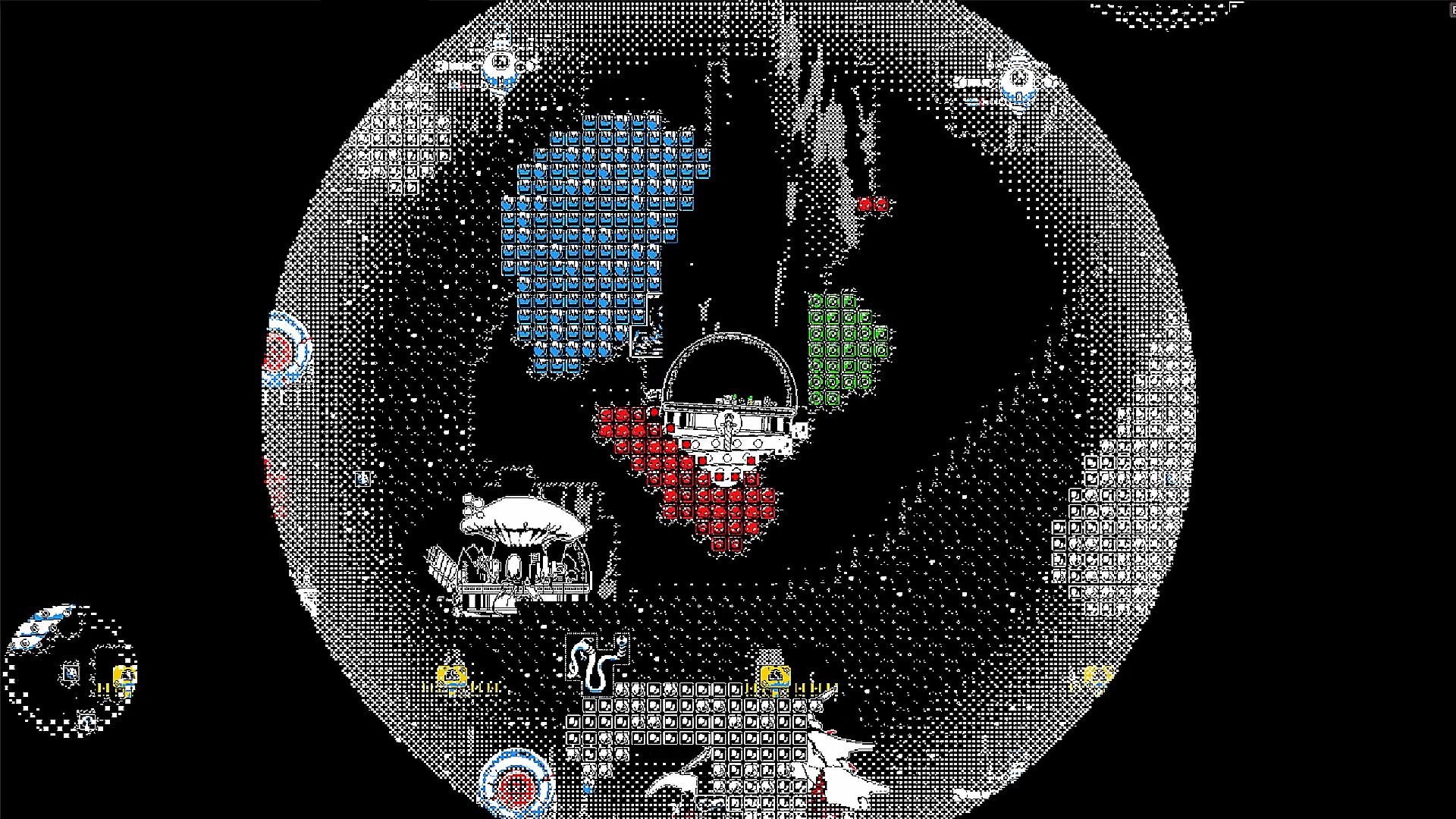
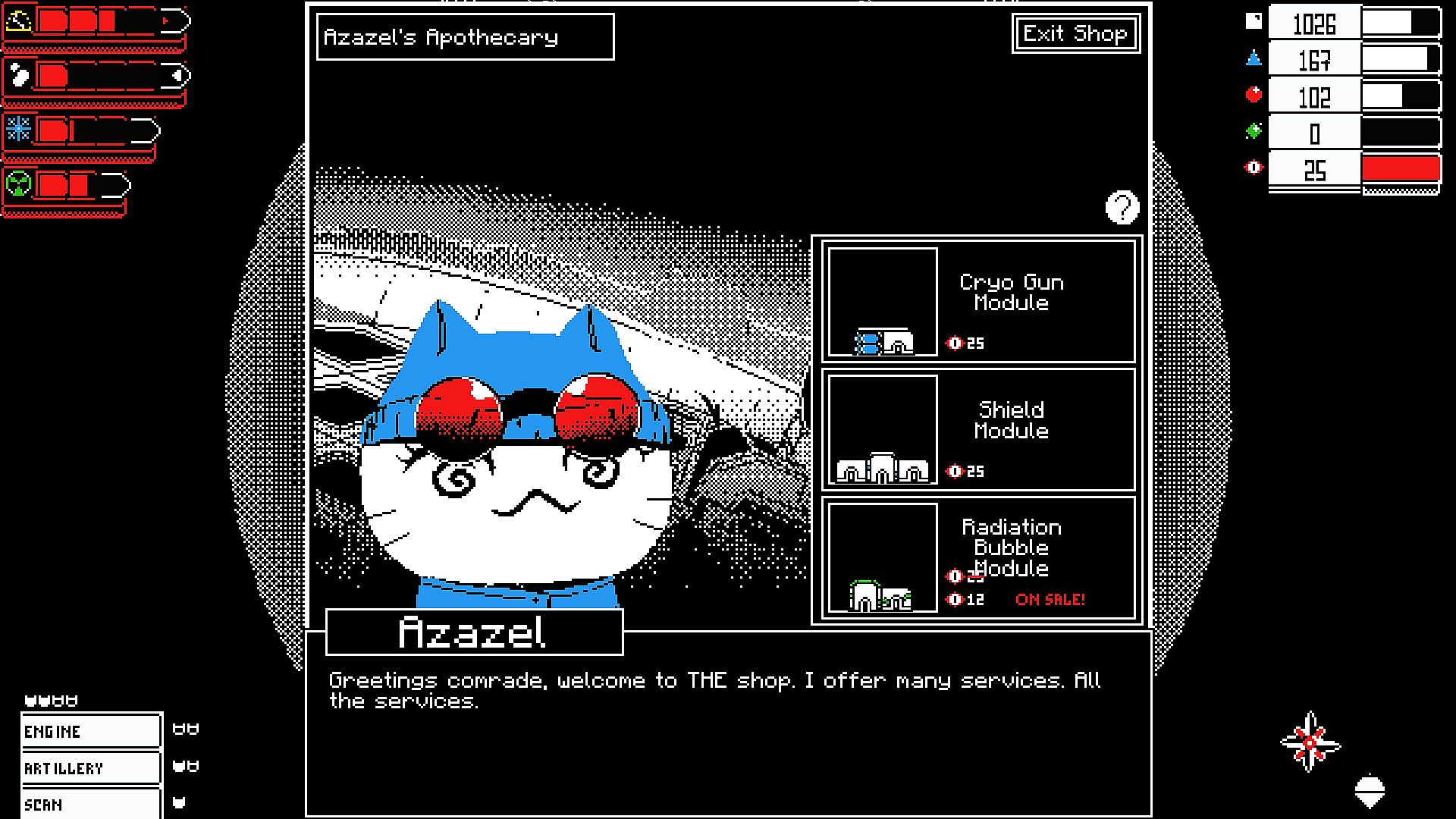
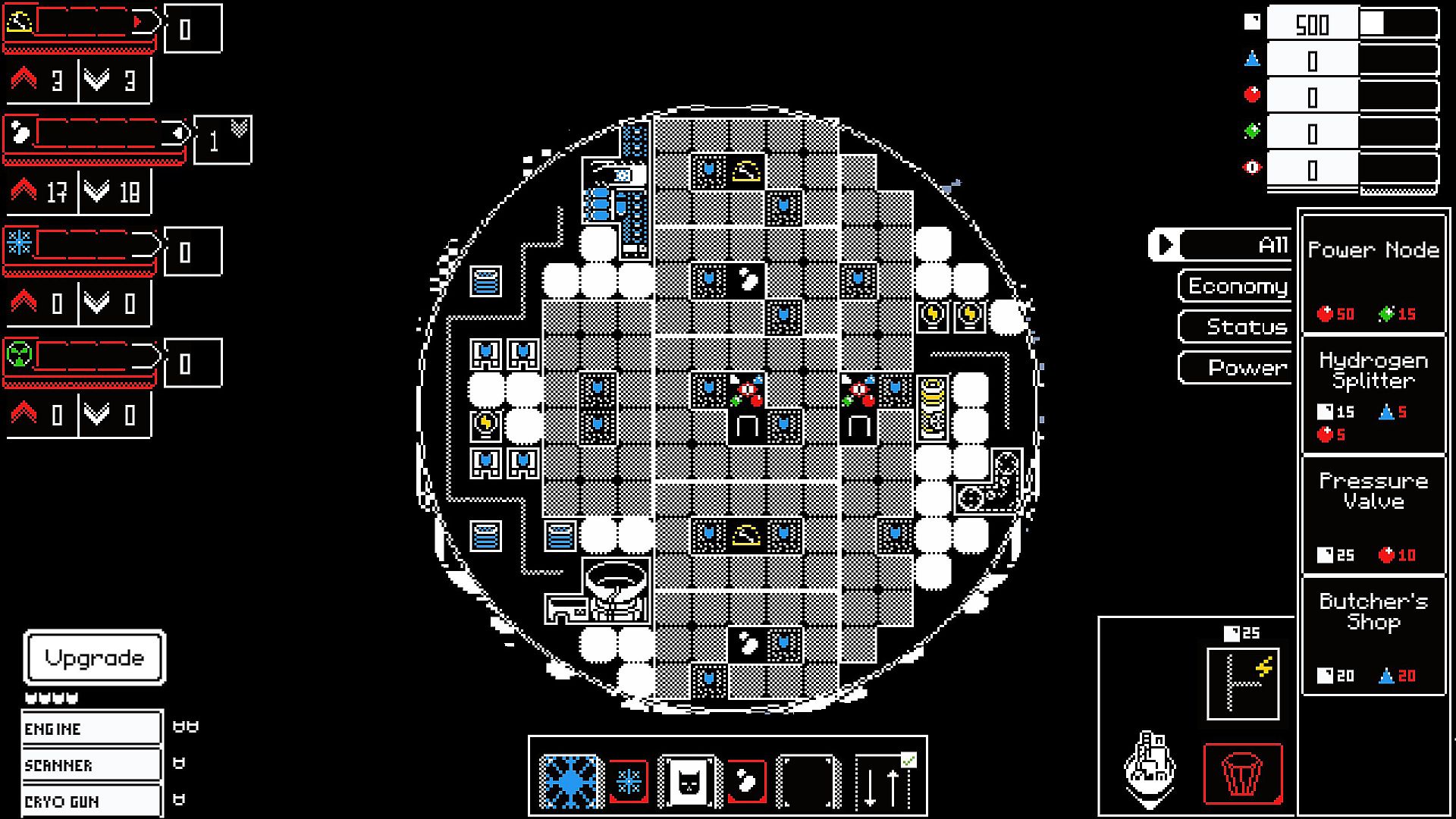
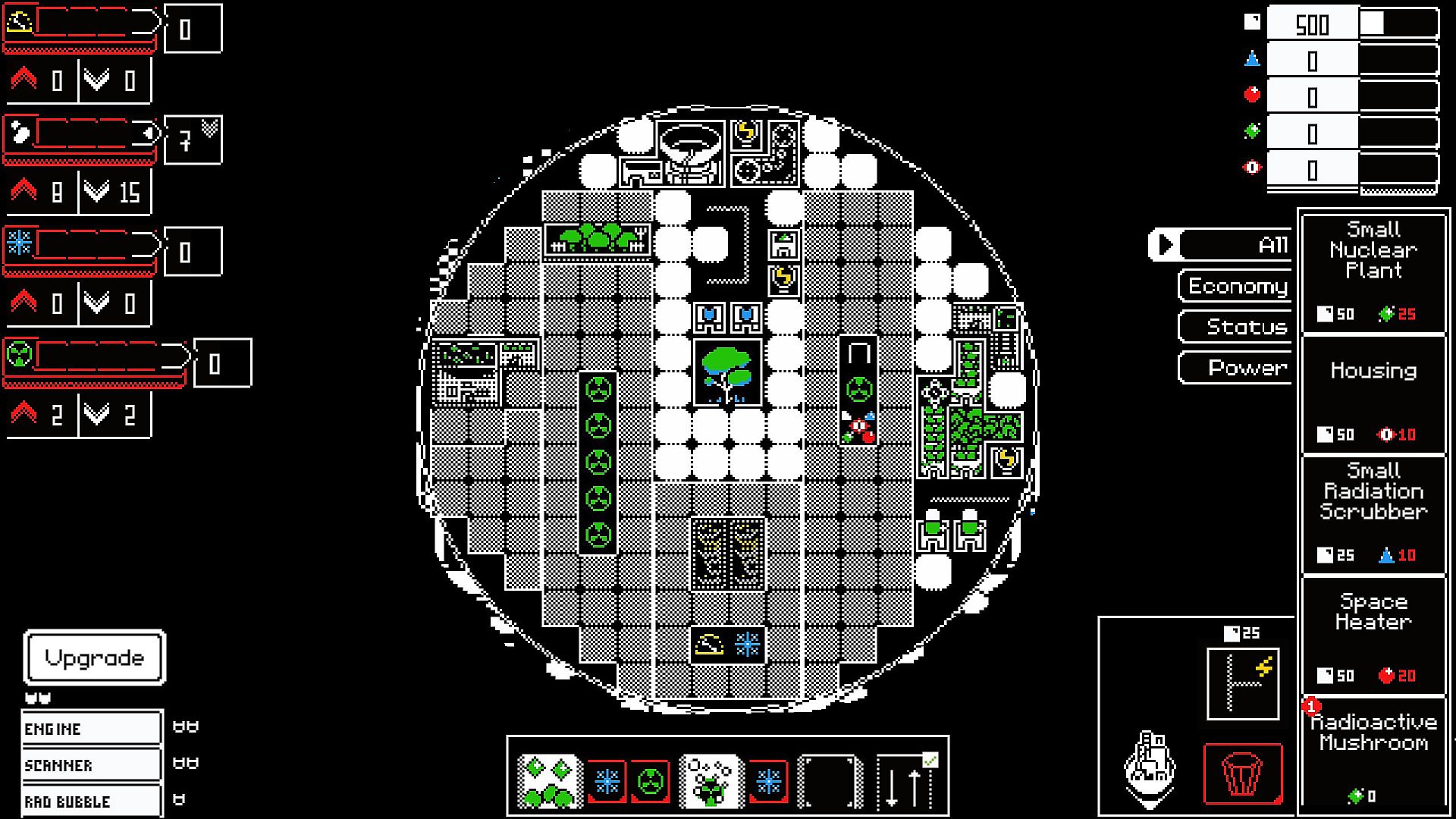
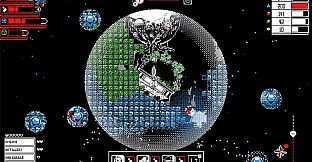
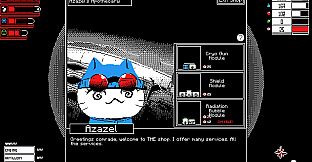
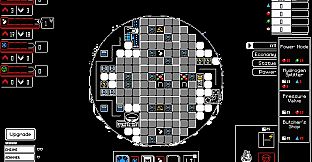
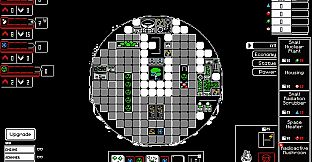
CitaDrill is a roguelite city-builder that places players in command of a massive drill-city descending through an infested planet. The core loop combines resource gathering from drilled terrain, settlement expansion under a protective dome, worker management, and defensive combat against waves of underground threats. Developed by Studio Moka and published by CobraTekku Games, the game features cat-izens as the crew and a Drill O.S. named C.A.T. that provides guidance and personality during expeditions.
Gameplay
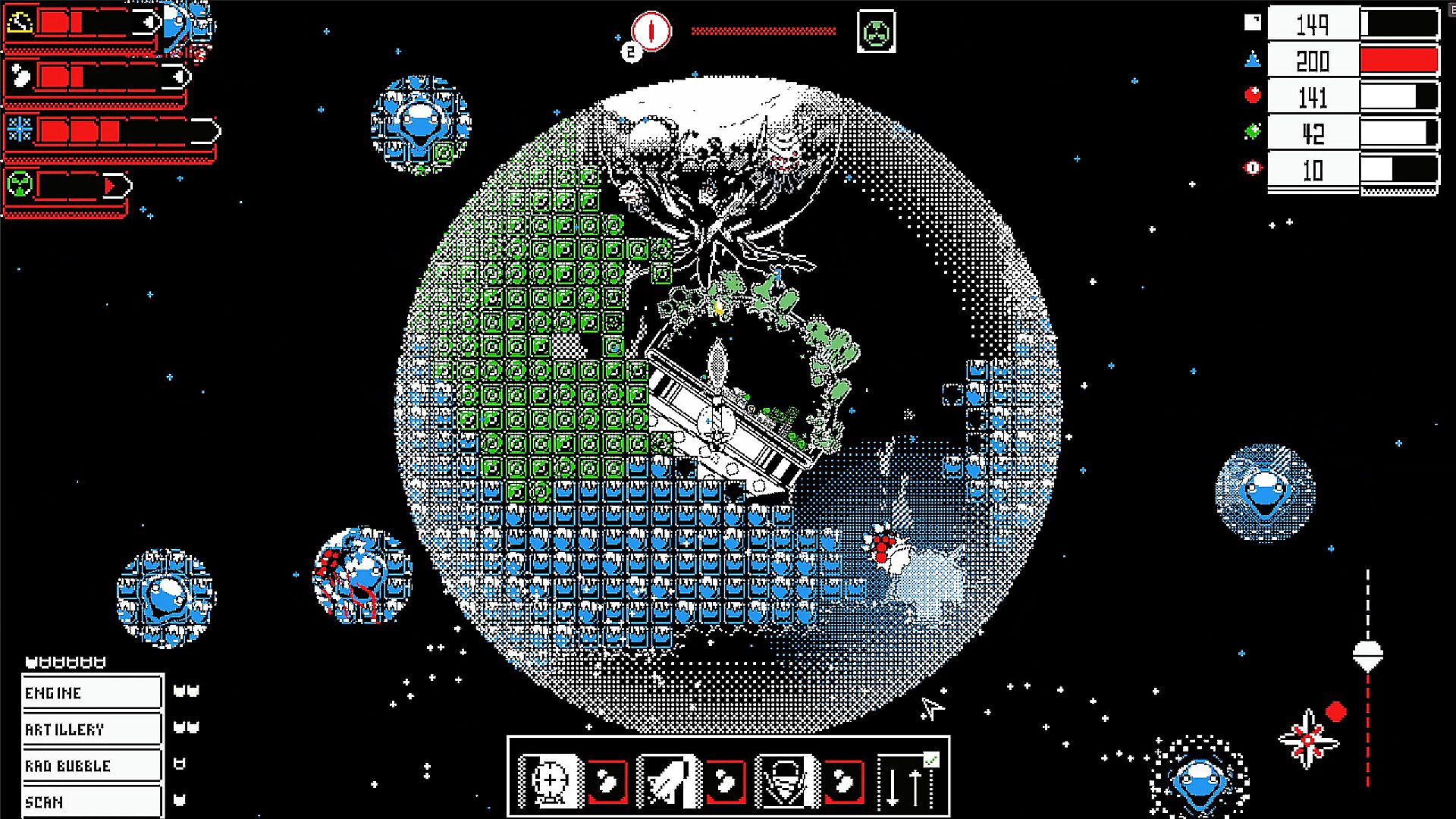
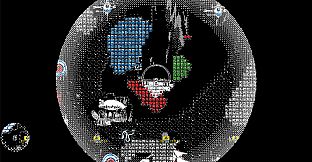
Players begin each run with a basic drill and dome setup. Drilling through colored blocks yields resources that fuel construction of buildings, weapons, and upgrades. Buildings are placed within the moving settlement, and workers are assigned to stations to boost efficiency, production, or defense. Resource allocation requires constant trade-offs because materials spent on one project cannot support another.
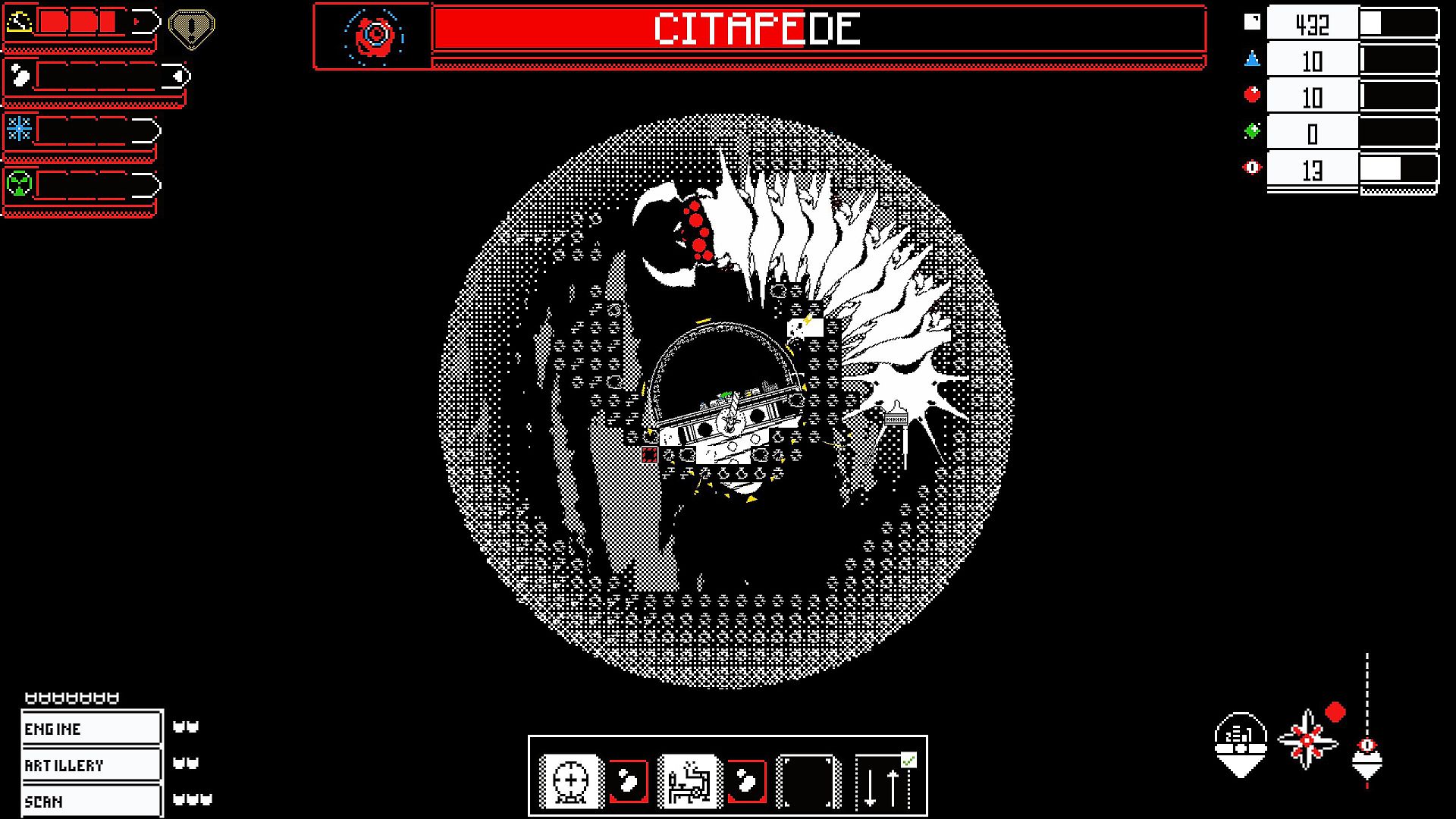
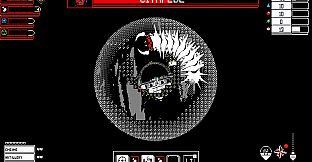
Hazards such as cold, pressure, radiation, and smog accumulate over time and impose debuffs that must be mitigated through building choices or positioning. Combat mixes tower defense elements with direct control options, including directing the drill head itself at threats. Boss encounters appear in each biome, featuring distinct attack patterns and phases that demand adaptive strategies.
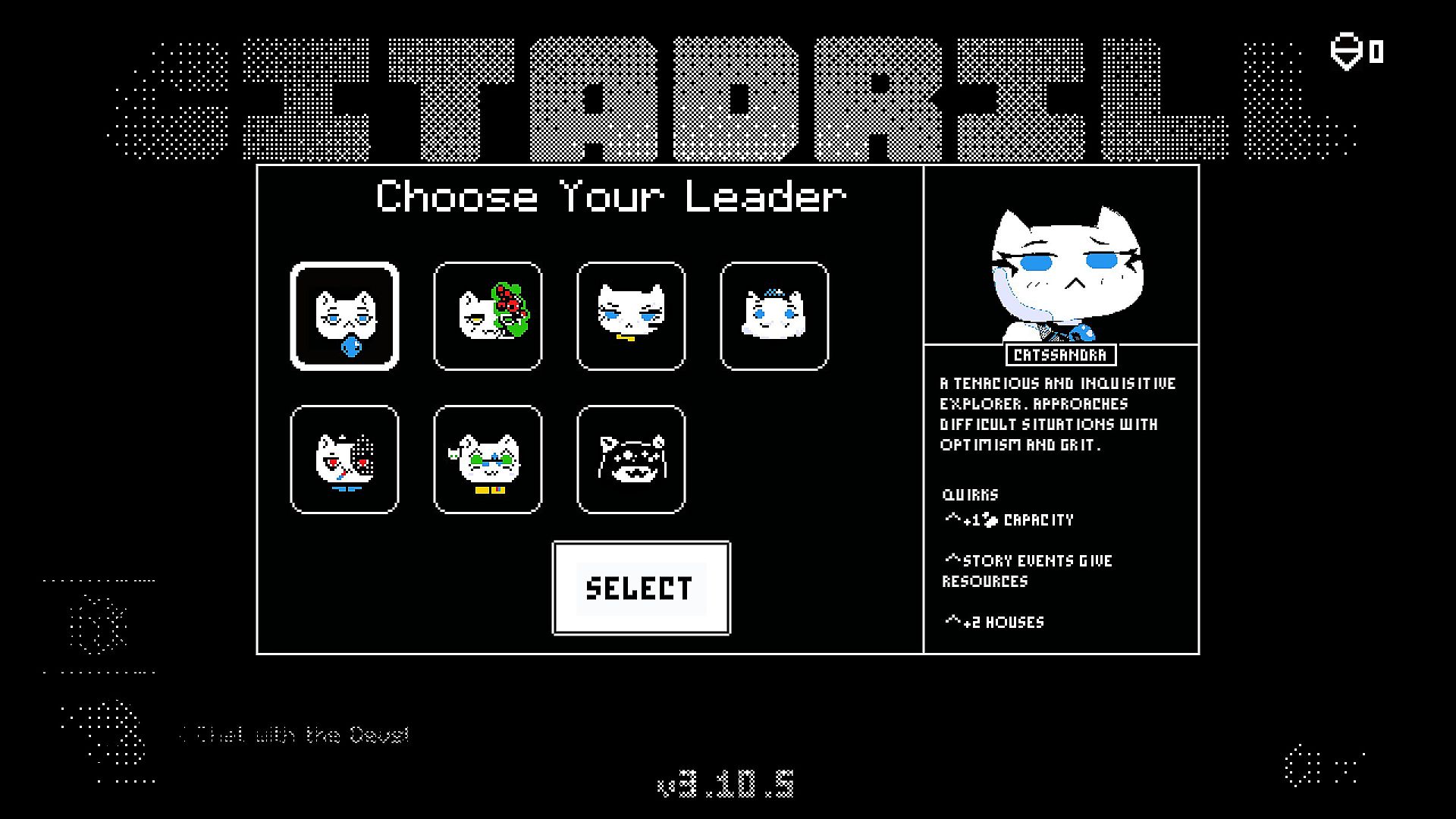
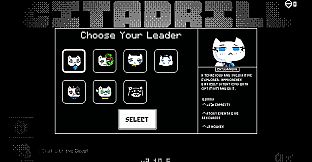
Blueprints collected during runs unlock new building options for subsequent attempts. Different starting captains and city layouts alter early-game options and long-term build paths, encouraging experimentation across multiple expeditions.
Game Modes
The primary experience revolves around roguelite expeditions through procedurally generated biomes. Each run presents a fresh sequence of challenges, resources, and events while carrying forward only the knowledge gained from prior failures. There are no separate multiplayer or competitive modes confirmed at this stage.
Exploration focuses on navigating six unique biomes, each with tailored environmental hazards and enemy types. Procedural generation ensures varied layouts and encounter pacing, while the overarching structure supports repeated runs to unlock additional captains and refine city-building approaches.
Key Mechanics and Systems
Worker assignment forms a central pillar of strategy. Stations range from scanners that extend vision to weapon systems that repel incoming hordes. Reassigning personnel mid-run creates dynamic shifts in capabilities, such as trading scouting range for increased firepower when threats close in.
Environmental management adds another layer. Players must balance immediate survival needs against long-term city growth, deciding when to invest in hazard mitigation or offensive upgrades. The C.A.T. system offers contextual advice and tracks narrative elements that unfold across runs.
Failure does not end progress permanently. Each expedition that ends in disaster returns players to the surface with new blueprints and insights, supporting incremental improvement in subsequent attempts.
Is It Worth Playing?
CitaDrill appeals to players who enjoy blending city-building decisions with real-time defensive action in a roguelite framework. The demo provides access to early biomes, a tutorial covering core systems, multiple bosses, and several starting layouts, allowing direct evaluation of the loop before the full release scheduled for 2026.
Those drawn to cat-themed crews, pixel-art presentation, and the unusual premise of a mobile domed settlement on a giant drill will find the mechanics tightly integrated. The absence of confirmed review scores or player counts at present means interest should center on the demo experience and the match with personal preferences for resource management and procedural runs rather than external metrics.
The game suits single-player sessions focused on iterative improvement and strategic experimentation. Its current state includes a polished first act in the demo, with full content expansion planned for launch.