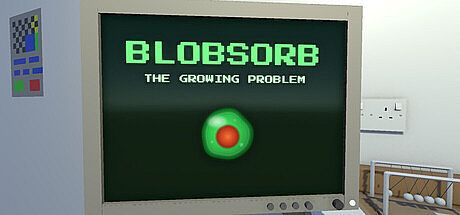


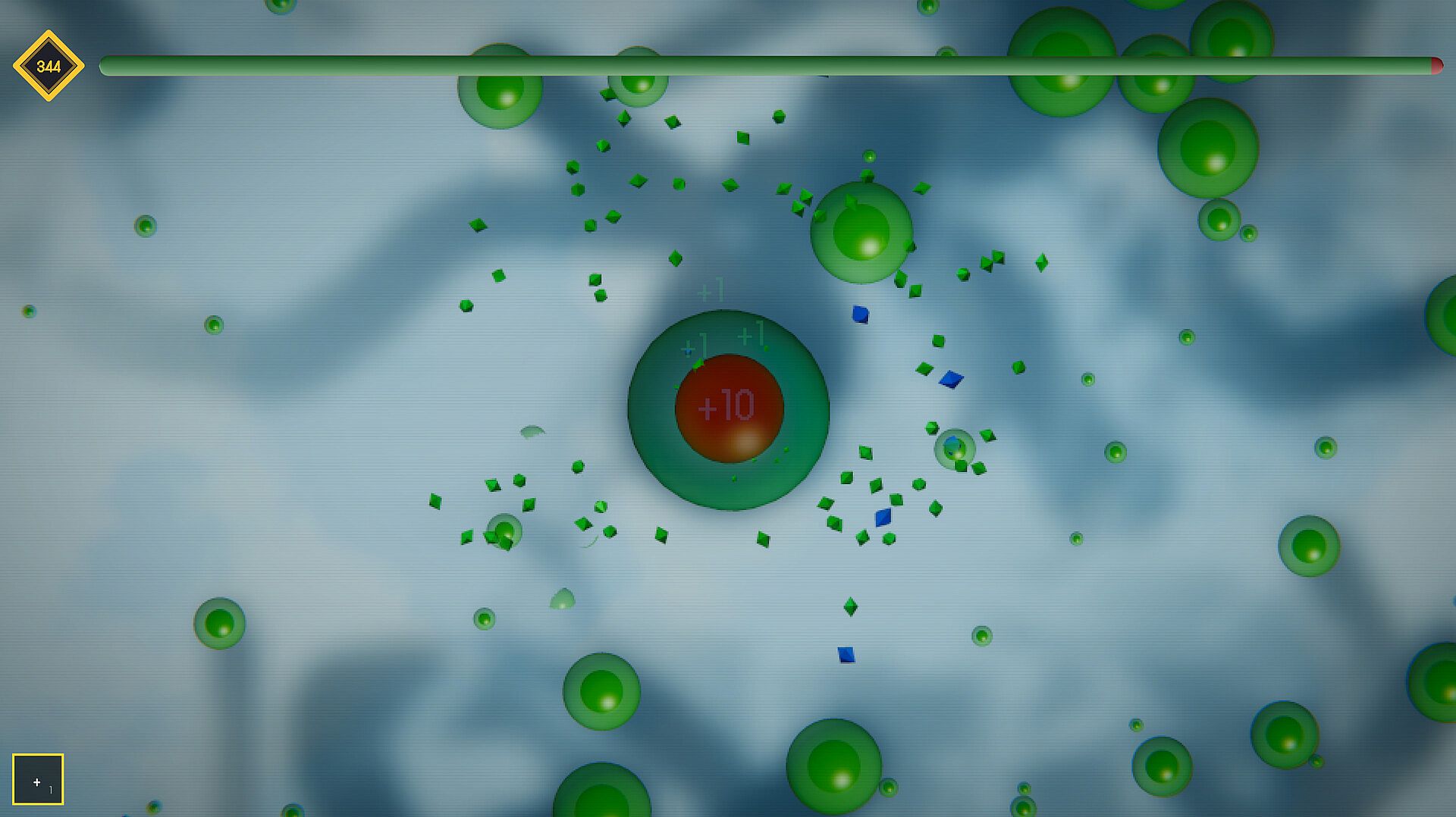
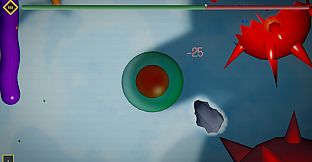
Blobsorb: The Growing Problem is an action, strategy, indie, casual, and simulation game for PC in which players control a growing blob that starts as a simple smear on a glass dish. The core loop centers on absorption to increase size, with every smaller entity serving as immediate sustenance and larger ones representing future targets once growth occurs. A senescence timer runs continuously, pushing constant feeding to extend survival, while death simply feeds into the next attempt through accumulated mutations rather than permanent loss.
Gameplay
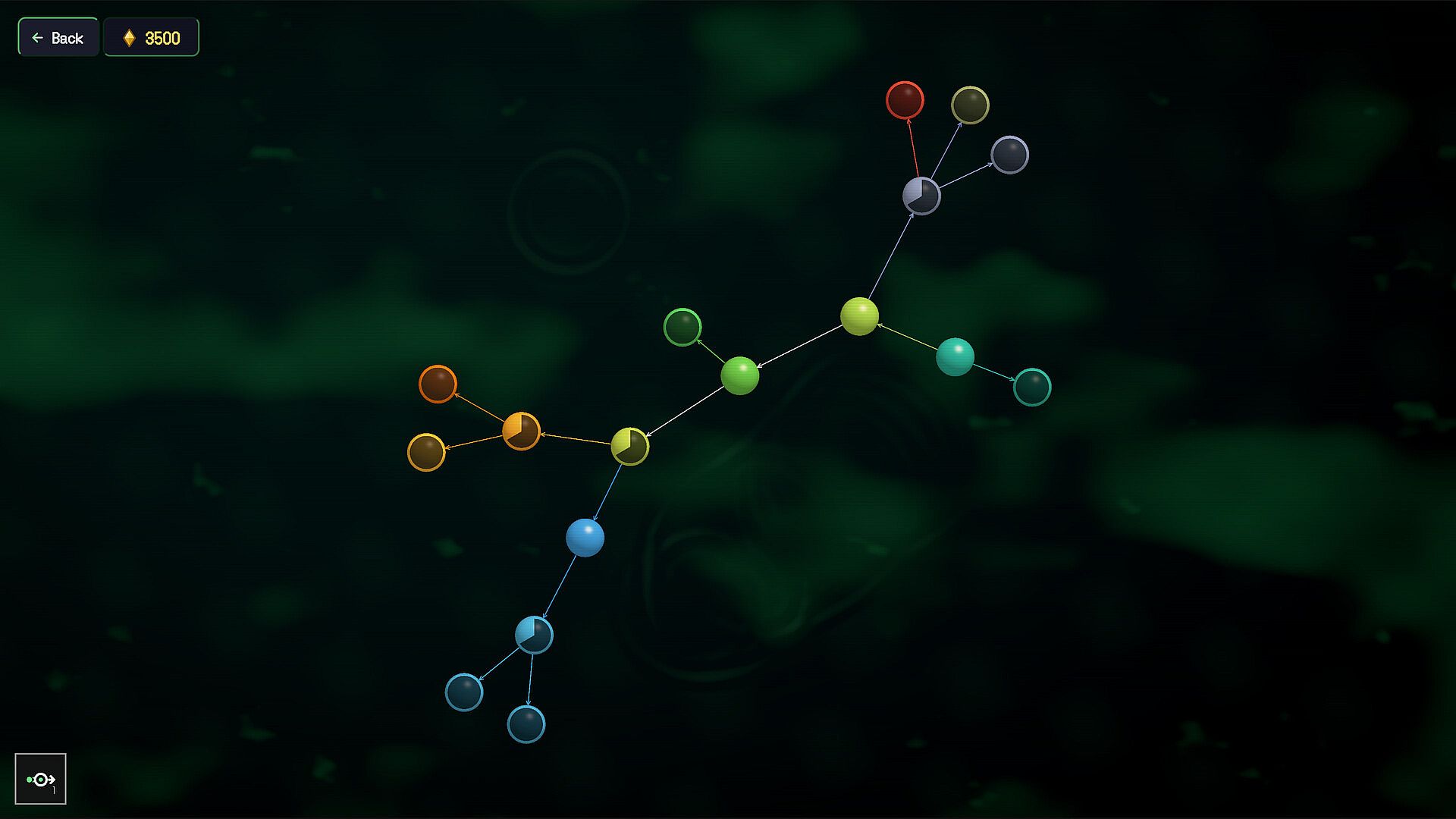
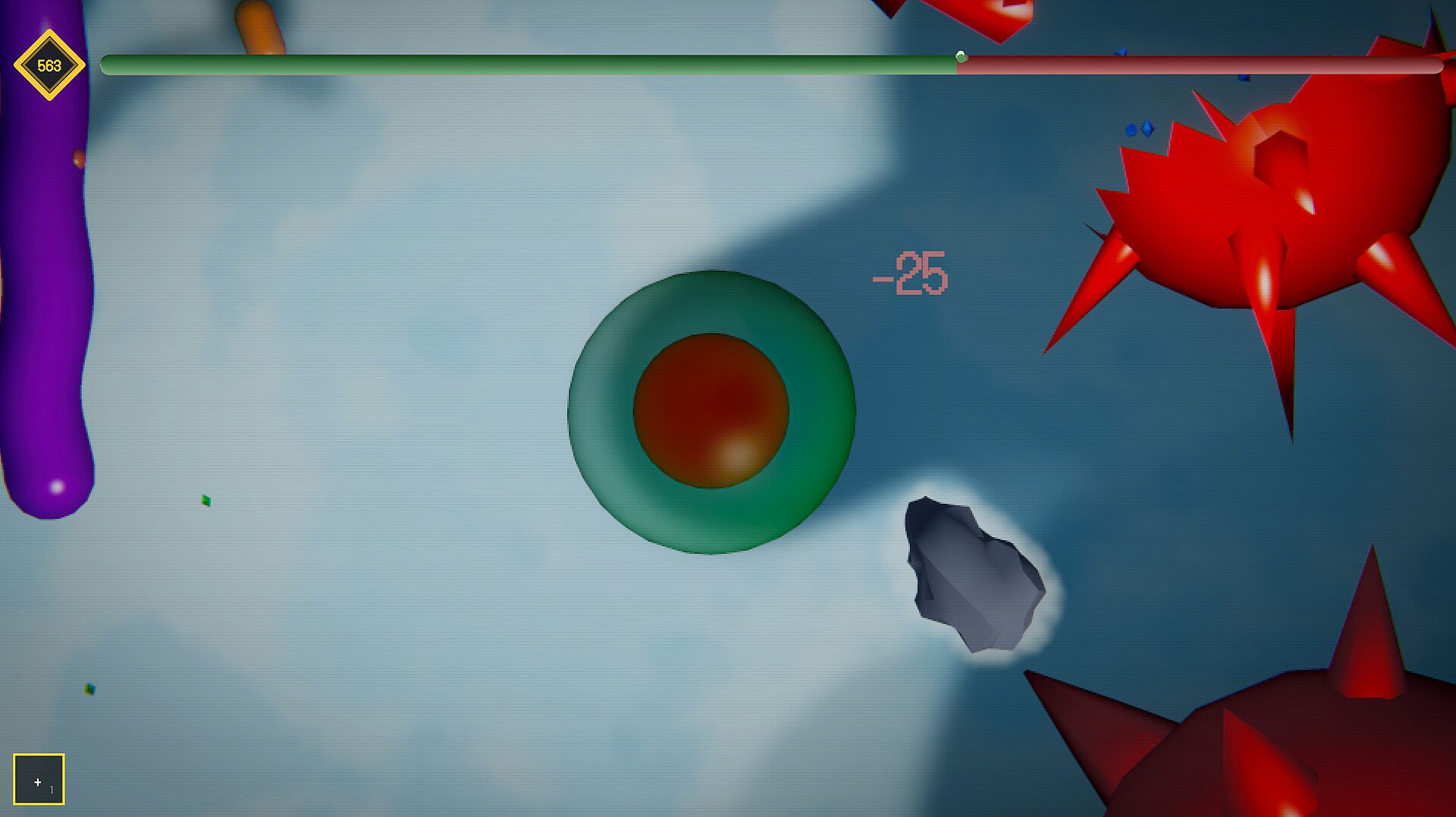
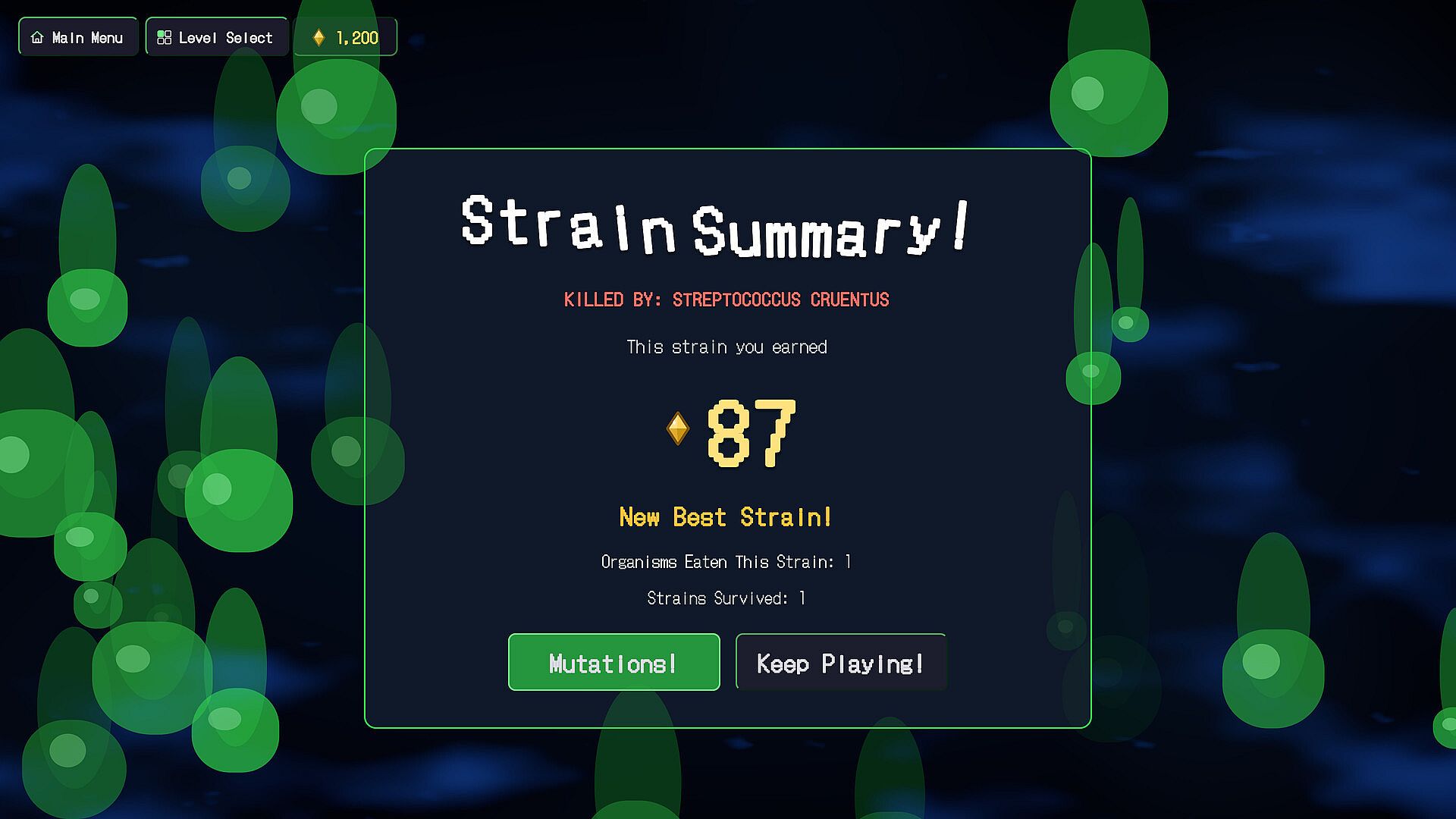
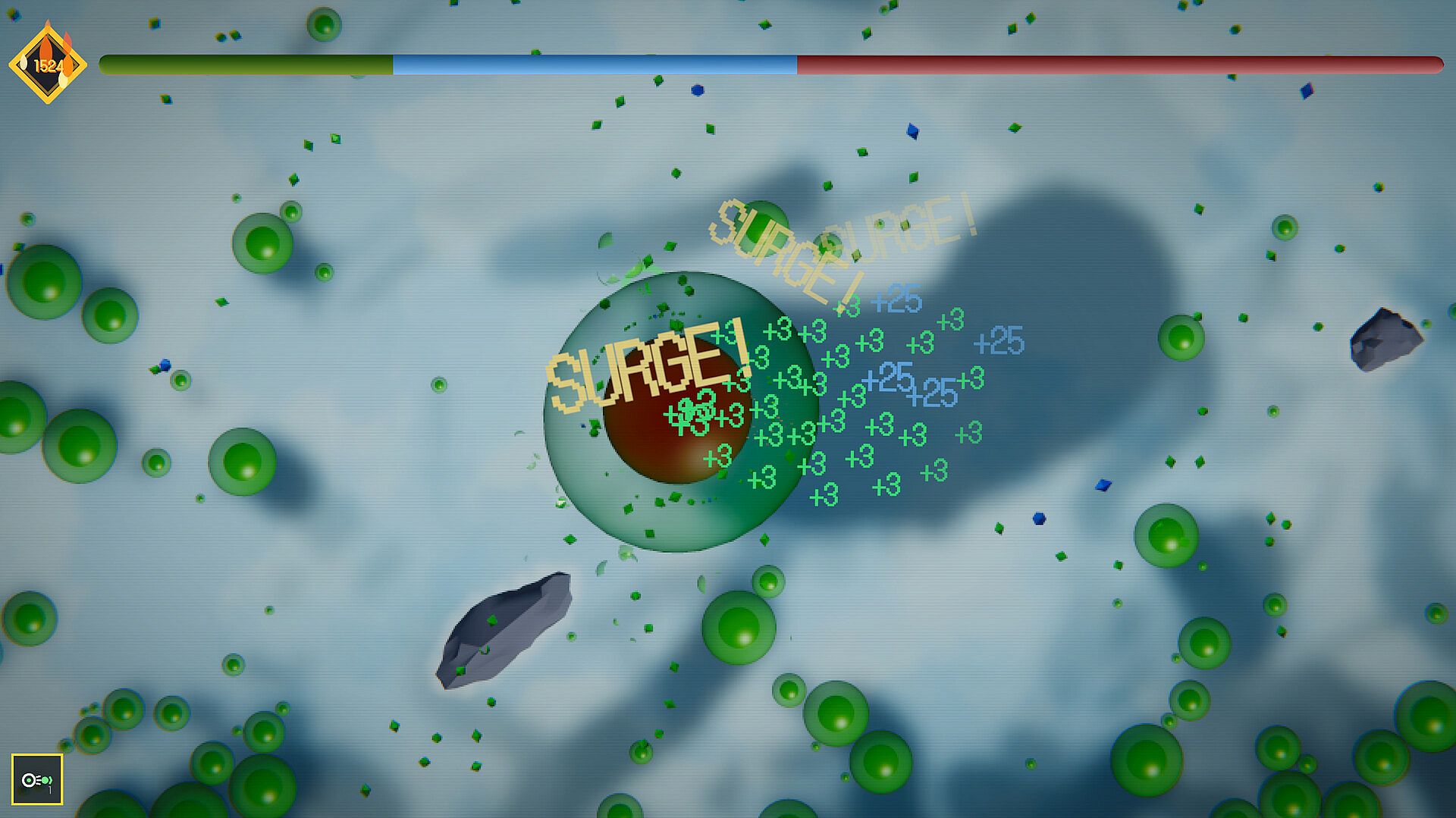
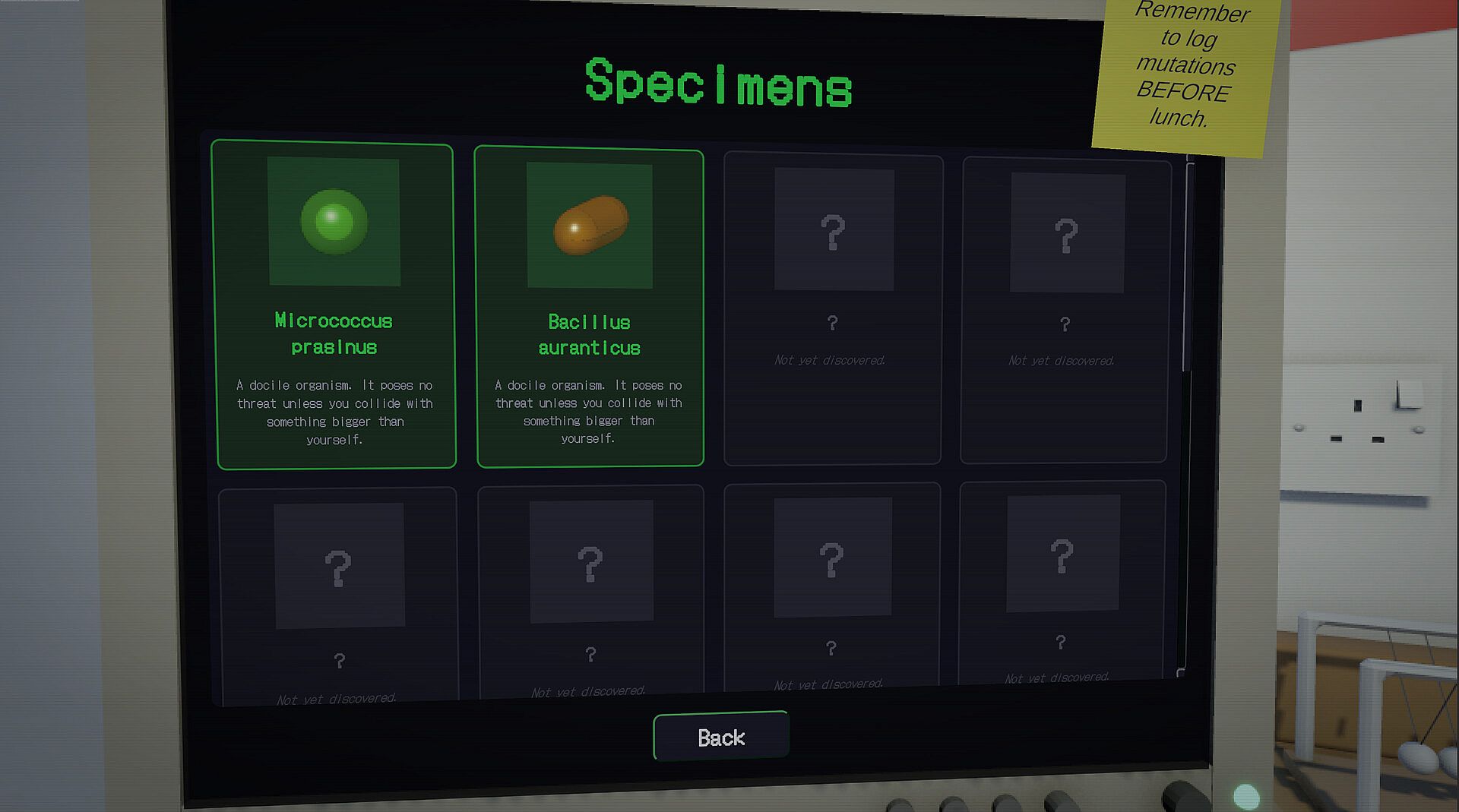
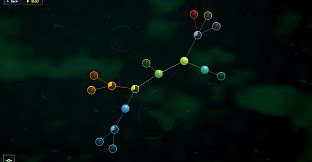
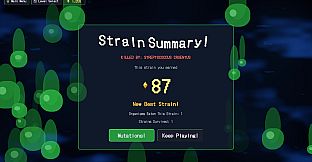
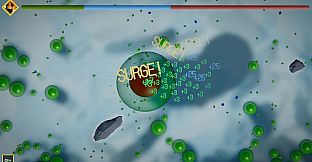
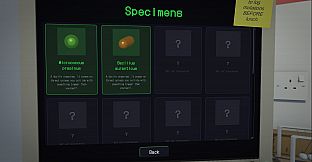
Size determines everything in the ecosystem. Smaller creatures become food upon contact, flipping the dynamic so that threats turn into snacks as the blob swells. The mutation tree expands with each successful run, allowing choices that alter movement, defense, sensing, or reproduction. Options include developing spikes and armor for protection, improved detection of safe versus dangerous prey, self-cloning, pheromone trail creation, body rupture for quick resource gains, or infecting larger monsters to redirect them against their own groups. Numbers track progress through escalating chimes and combo surges during feeding sessions, with personal bests recorded per strain and a bestiary that fills as new creatures are encountered. Each environment resets scale upon entry, requiring re-earning of speed and size advantages while the mutation tree branches further with deeper progress.
Boss encounters serve as gateways. Defeating the Rat King in the sewers, for example, advances the blob into harsher subsequent worlds where everything moves faster and the upgrade options reopen. The Petri dish starting point expands into sewers populated by rats, toads, centipedes, and tadpoles, then continues into additional scaled environments that demand ongoing adaptation through the DNA and mutation systems.
Game Modes
Blobsorb: The Growing Problem structures play around short, focused runs called strains. Each strain operates with its own senescence timer that demands steady absorption to prolong the session. Completion of a strain through boss defeat unlocks the next environment, resetting size and speed upgrades so that fresh mutations must be selected to stay ahead. The process repeats across multiple worlds, with the mutation tree carrying forward permanent branches that influence future attempts. No separate multiplayer or cooperative options appear in the design, keeping emphasis on individual progression through repeated runs and learning from each failure.
Progression and Upgrades
The mutation tree forms the central progression system. Early choices focus on basic survival traits, while later branches open more specialized abilities that reshape how each strain unfolds. Upgrades re-earn in every new world, ensuring the tree requires repeated investment to maintain an edge against faster and more dangerous inhabitants. Personal best tracking and bestiary completion provide additional goals beyond simple survival, rewarding consistent feeding and exploration within each sealed environment.
Is It Worth Playing?
Blobsorb: The Growing Problem suits players who enjoy incremental growth mechanics and repeated short sessions that build toward larger changes. The combination of absorption-driven size increases, a branching mutation tree, and timer pressure creates a clear loop of eat, grow, and adapt across resetting worlds. Those drawn to watching numbers rise through feeding surges and combo systems will find direct appeal in the design. The single-player focus on strain runs and boss-gated progression offers consistent replay value without external dependencies. If the described mechanics align with preferences for strategy-infused casual simulation, the game delivers a focused experience centered on outlasting the clock and evolving the blob into something more formidable.