

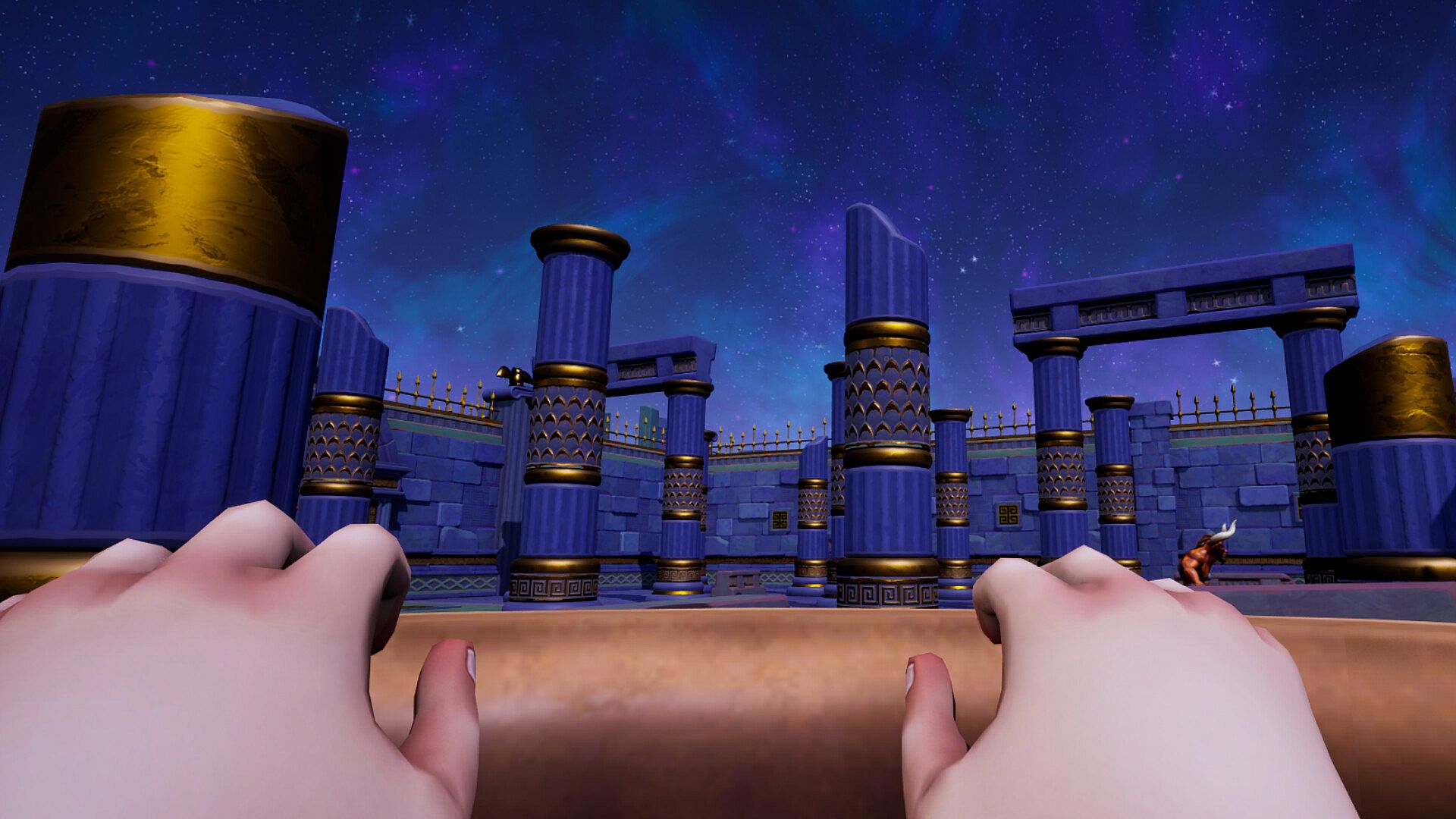
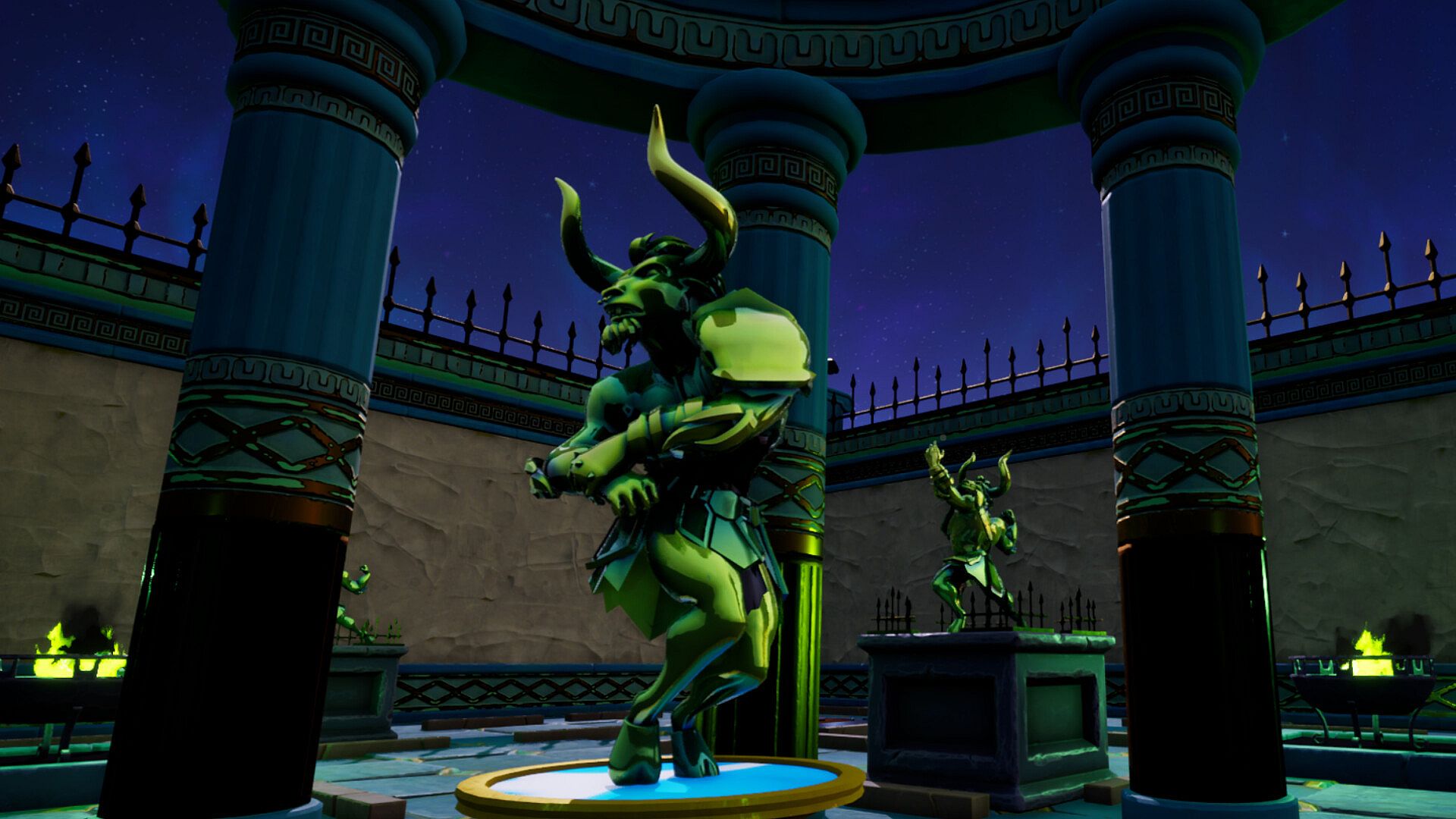
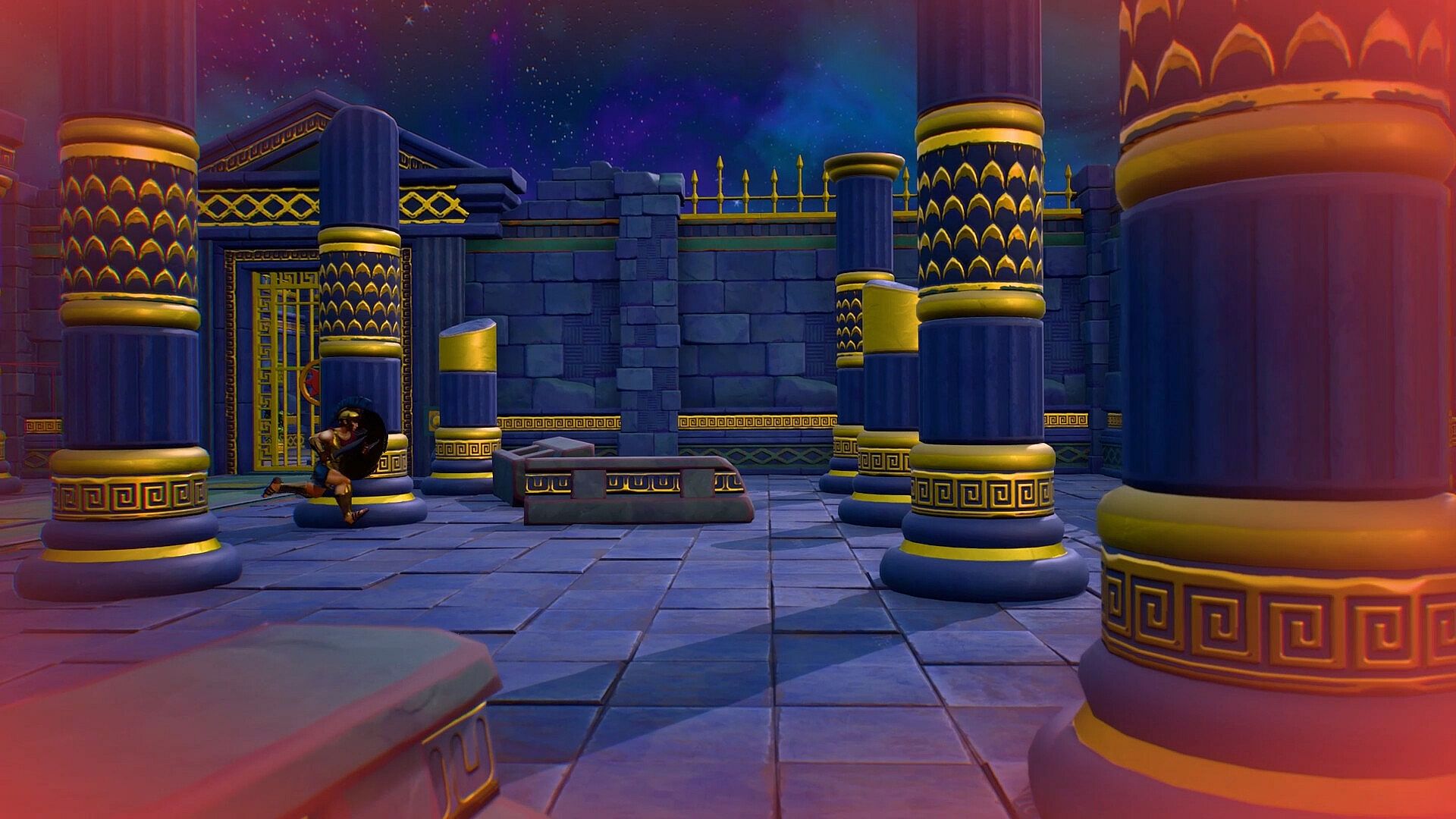
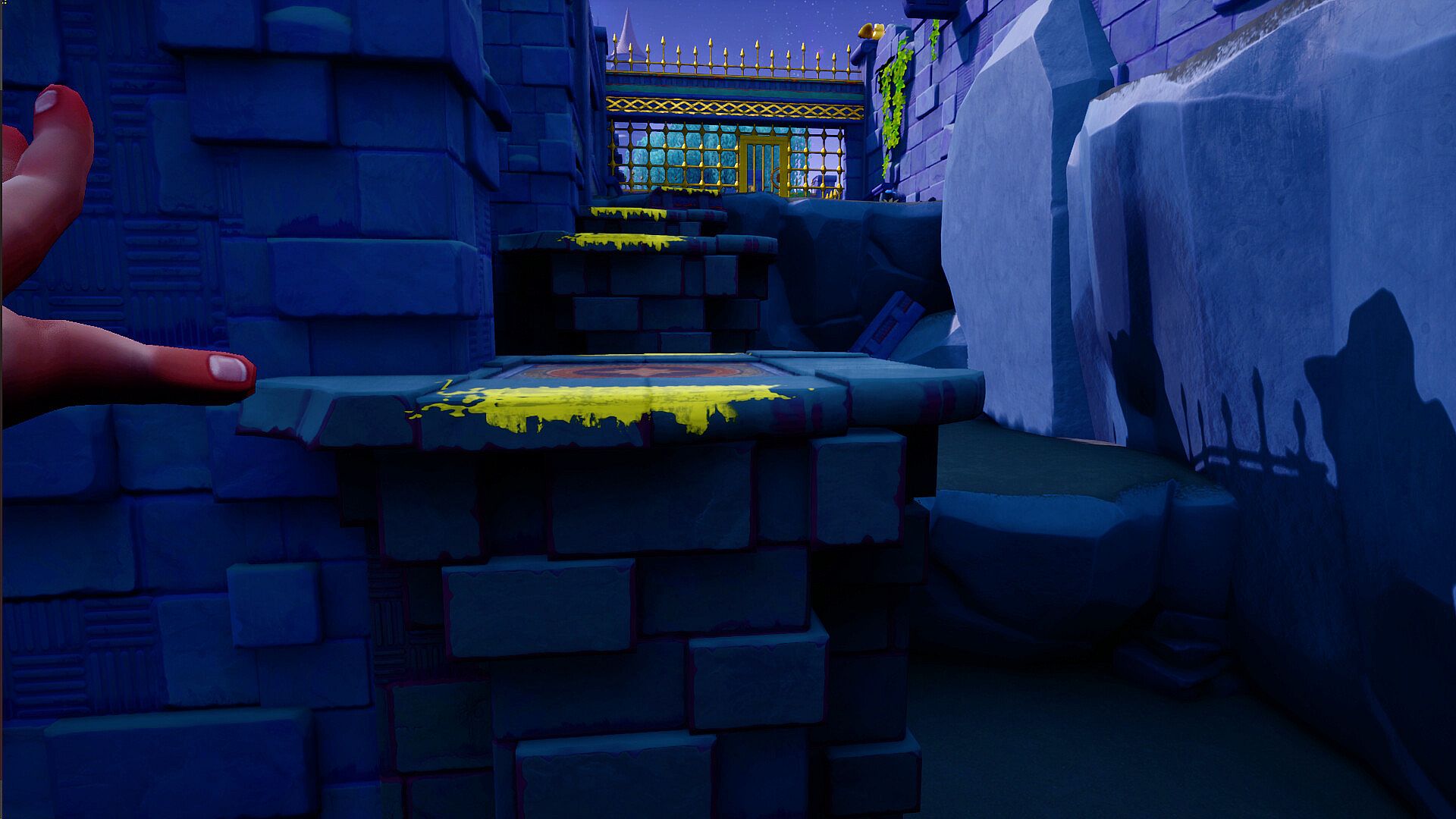

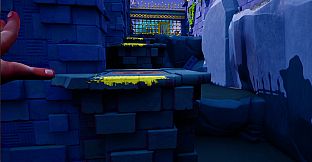
Ariadne's Tale is a first-person puzzle adventure game developed for PC that reimagines the Greek myth of the Labyrinth through a lens of dark humor and clever mechanics. Players take on the role of Ariadne, navigating a twisting maze filled with traps and ancient devices while using a magical thread as the central tool for exploration and problem-solving. The experience emphasizes observation, creativity, and survival against the lurking Minotaur, all wrapped in a narrative that mixes mythic atmosphere with satirical dialogue.
Gameplay
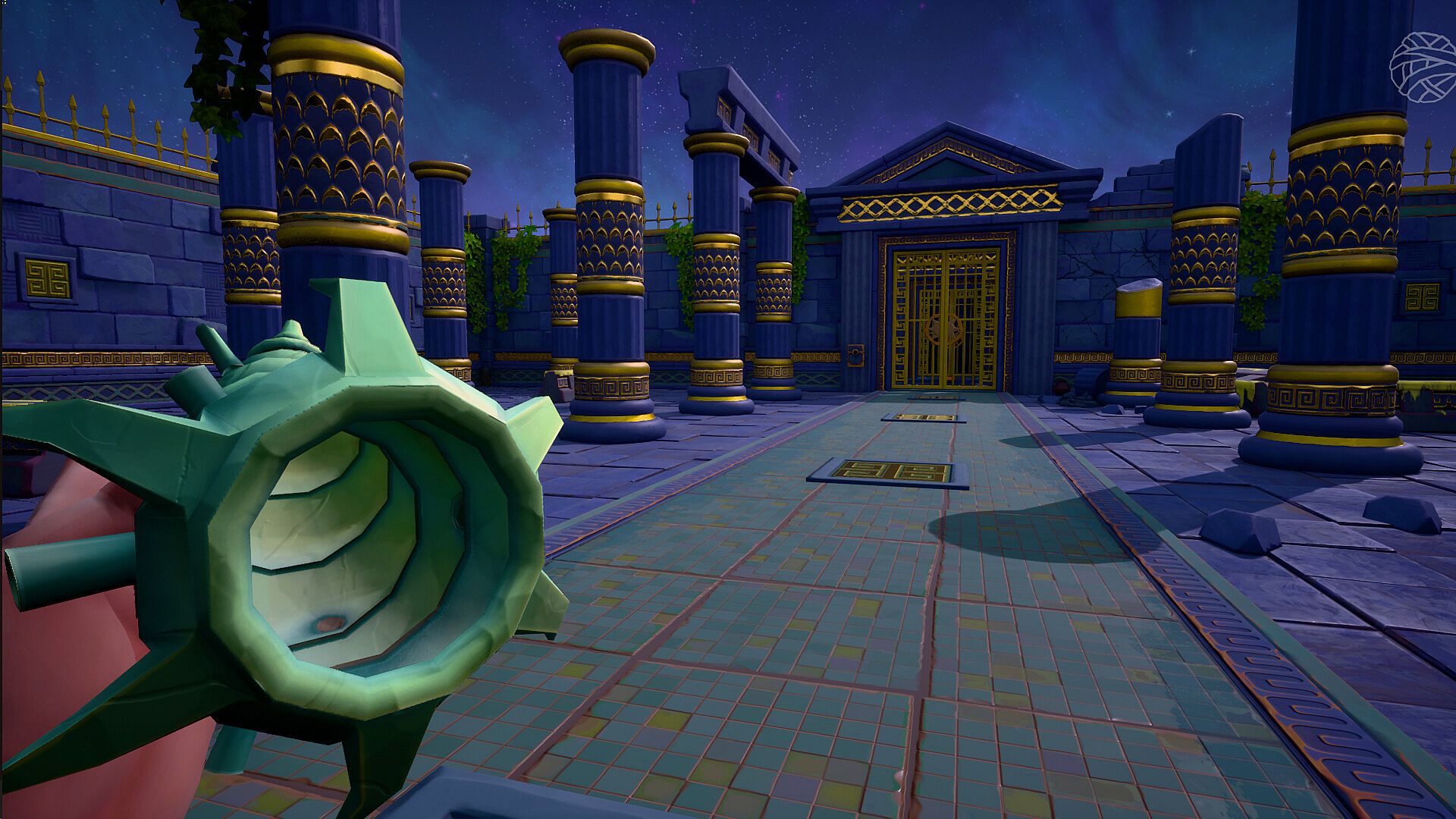
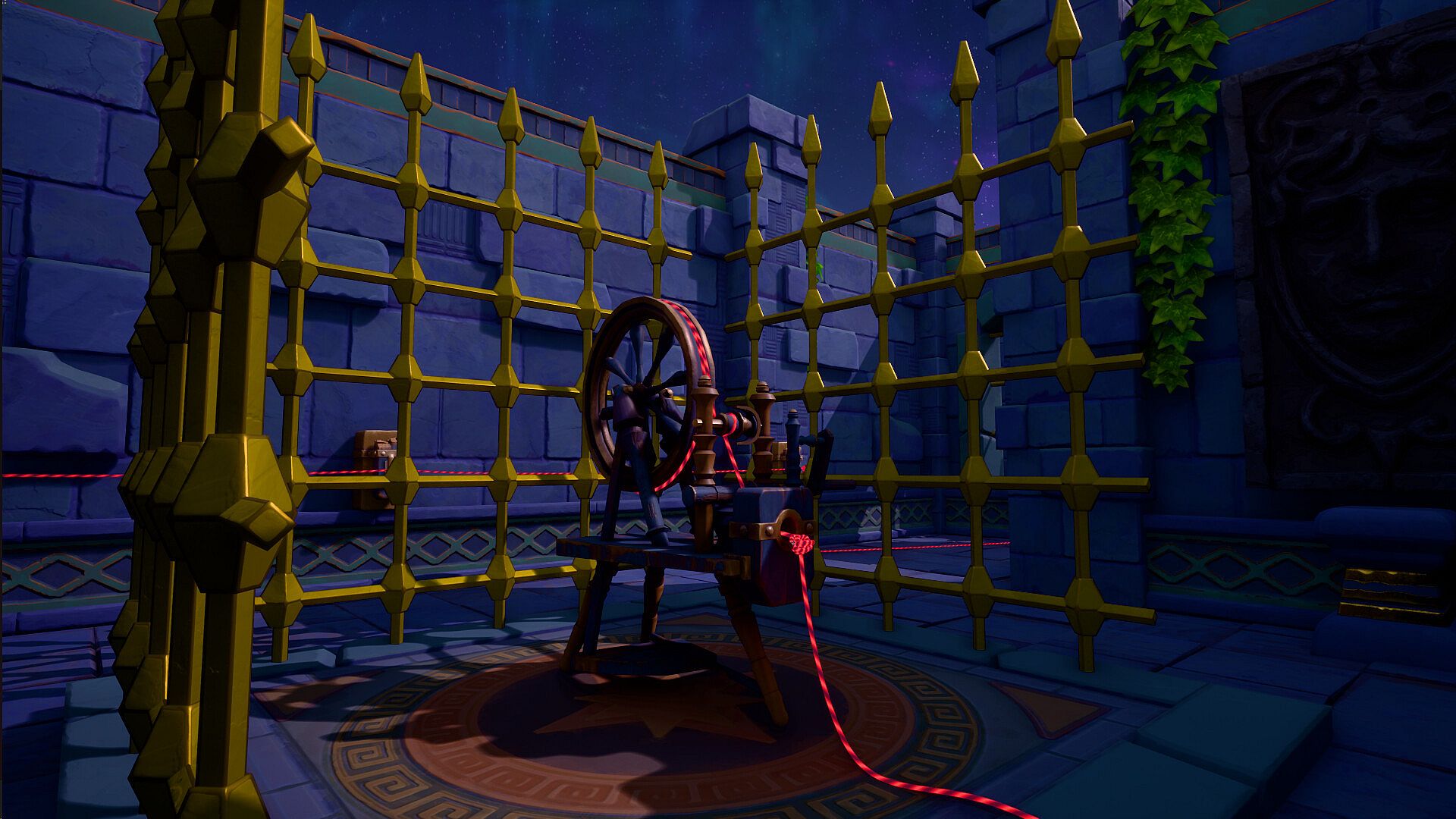
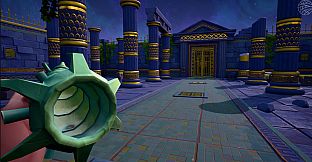
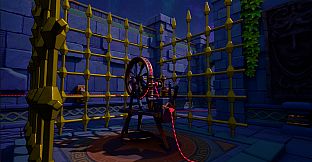
The core loop revolves around first-person exploration of interconnected chambers and passages. Ariadne carries a magical thread that players can tension, anchor to surfaces, and deploy to guide paths, activate mechanisms, or create temporary routes across gaps and obstacles. This tool integrates directly into puzzle design, requiring precise placement and manipulation to progress through environmental challenges.
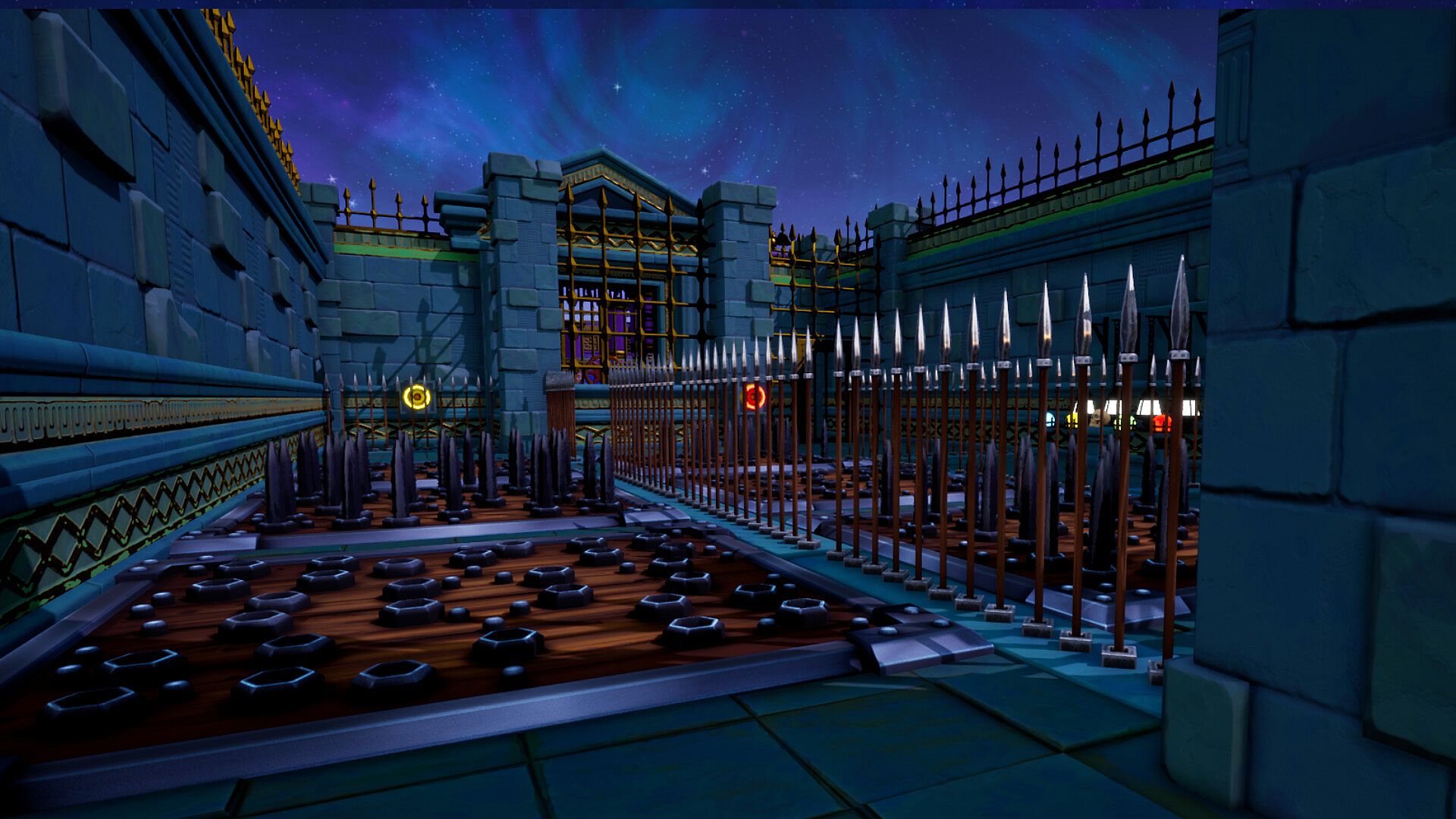
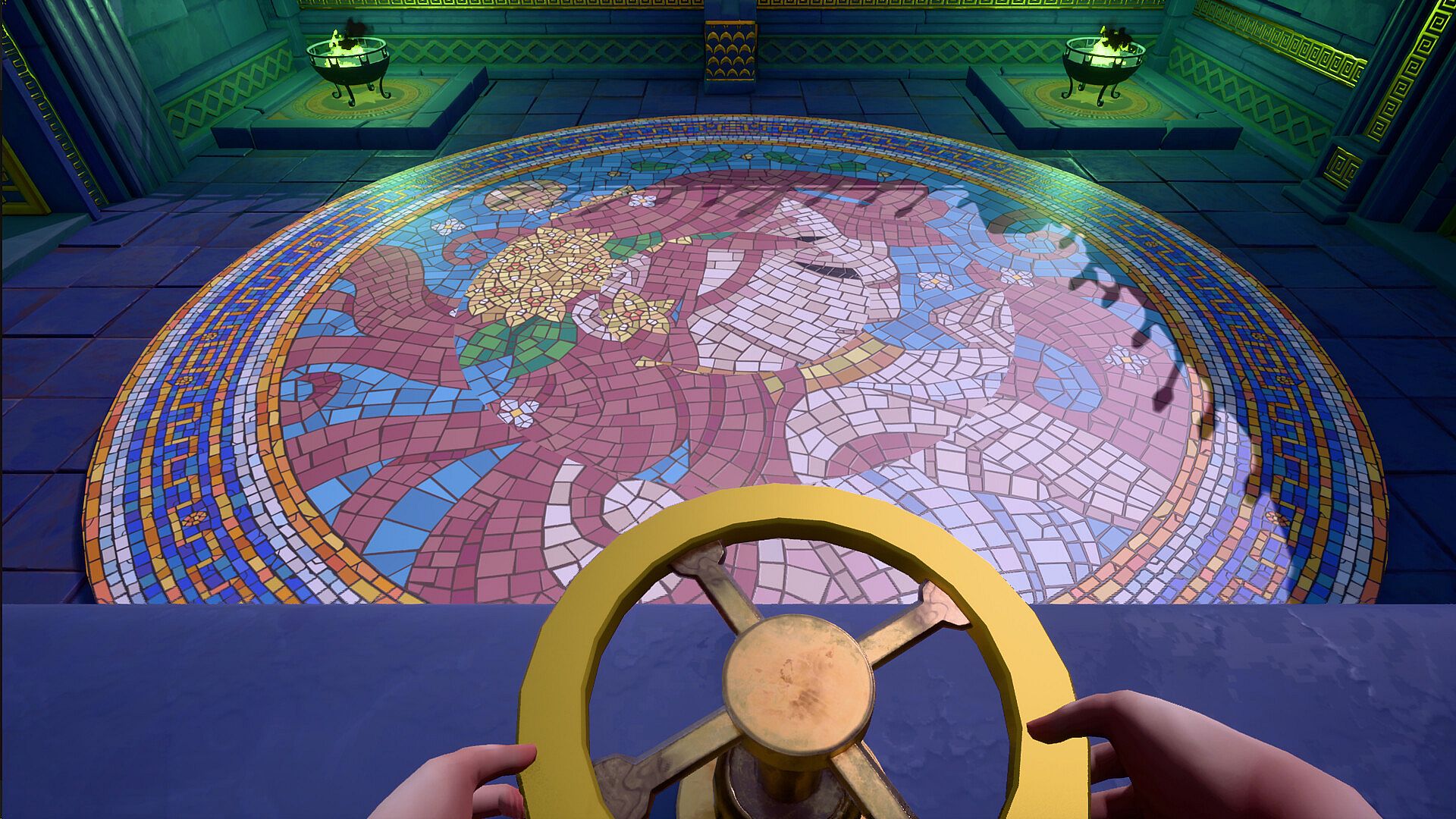
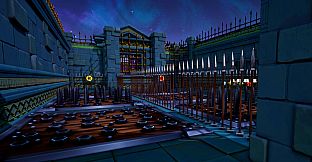
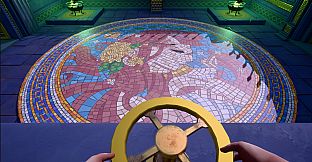
Each area presents layered tests that combine object interaction, spatial awareness, and timing elements. Ancient machinery might demand careful alignment of the thread to power devices, while precision sequences test steady control and rhythmic patterns. Hidden chambers reward thorough searching, and deadly traps force players to plan movements carefully to avoid instant failure. The thread also serves practical purposes like marking safe routes or creating distractions when the beast draws near.
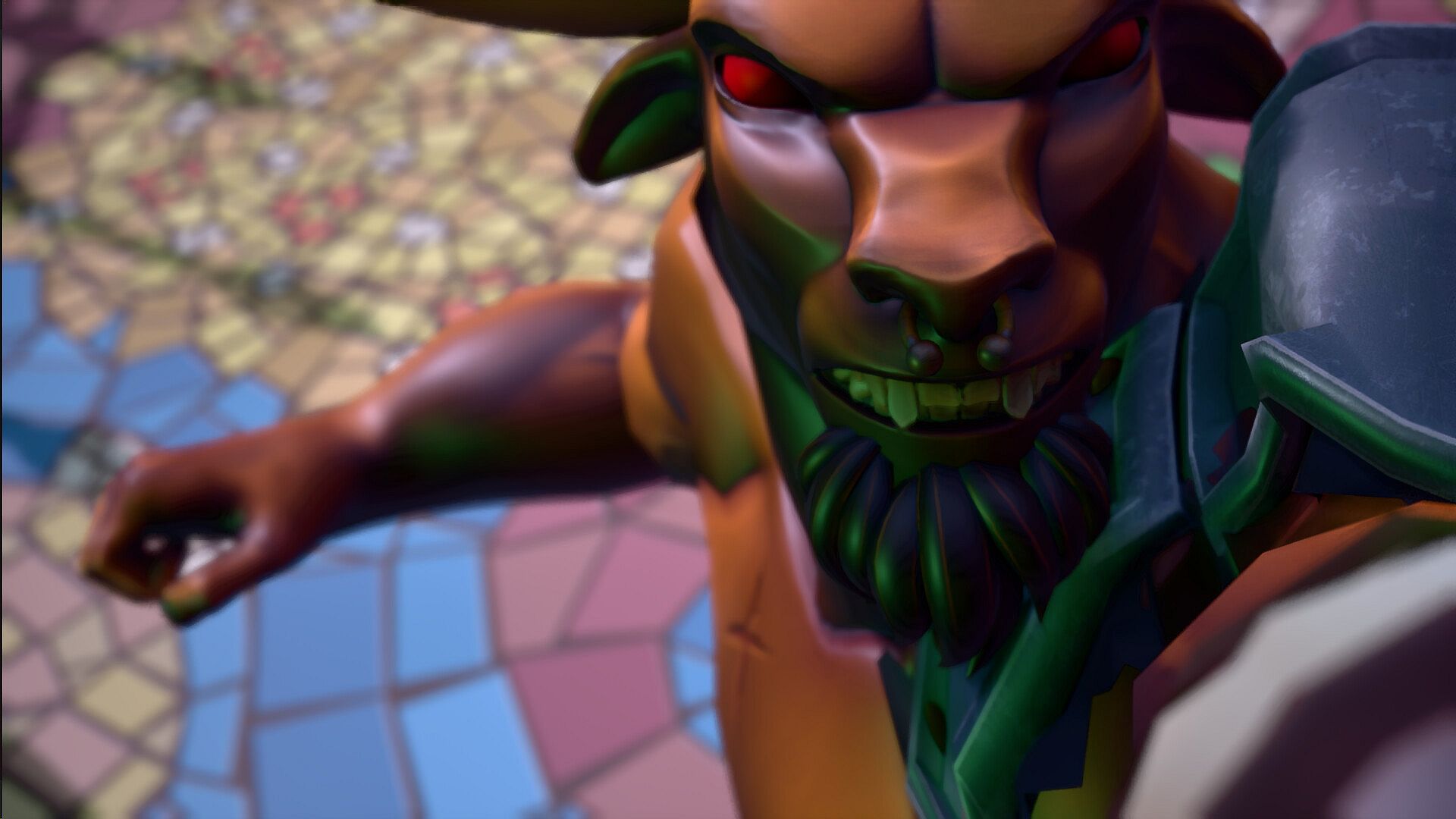
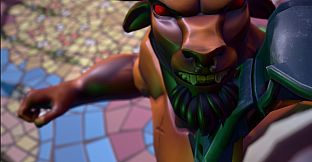
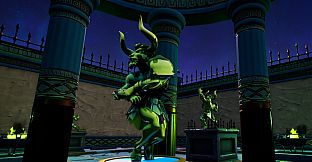
Stealth elements add tension during encounters with the Labyrinth's guardian. Players can use environmental features such as large amphorae for concealment and deploy the thread for indirect interference rather than direct combat. This approach keeps the focus on evasion and clever positioning instead of confrontation.
Game Modes
Ariadne's Tale operates as a single-player experience with no separate multiplayer or competitive modes. The structure follows a linear narrative progression through the Labyrinth, where success depends on completing sequential puzzle chambers and advancing the story toward the central goal of locating Theseus. Exploration branches within individual areas encourage replay attempts to uncover alternate solutions or additional details, but the overall path remains focused on the main objective without branching campaigns or co-op options.
Narrative and Atmosphere
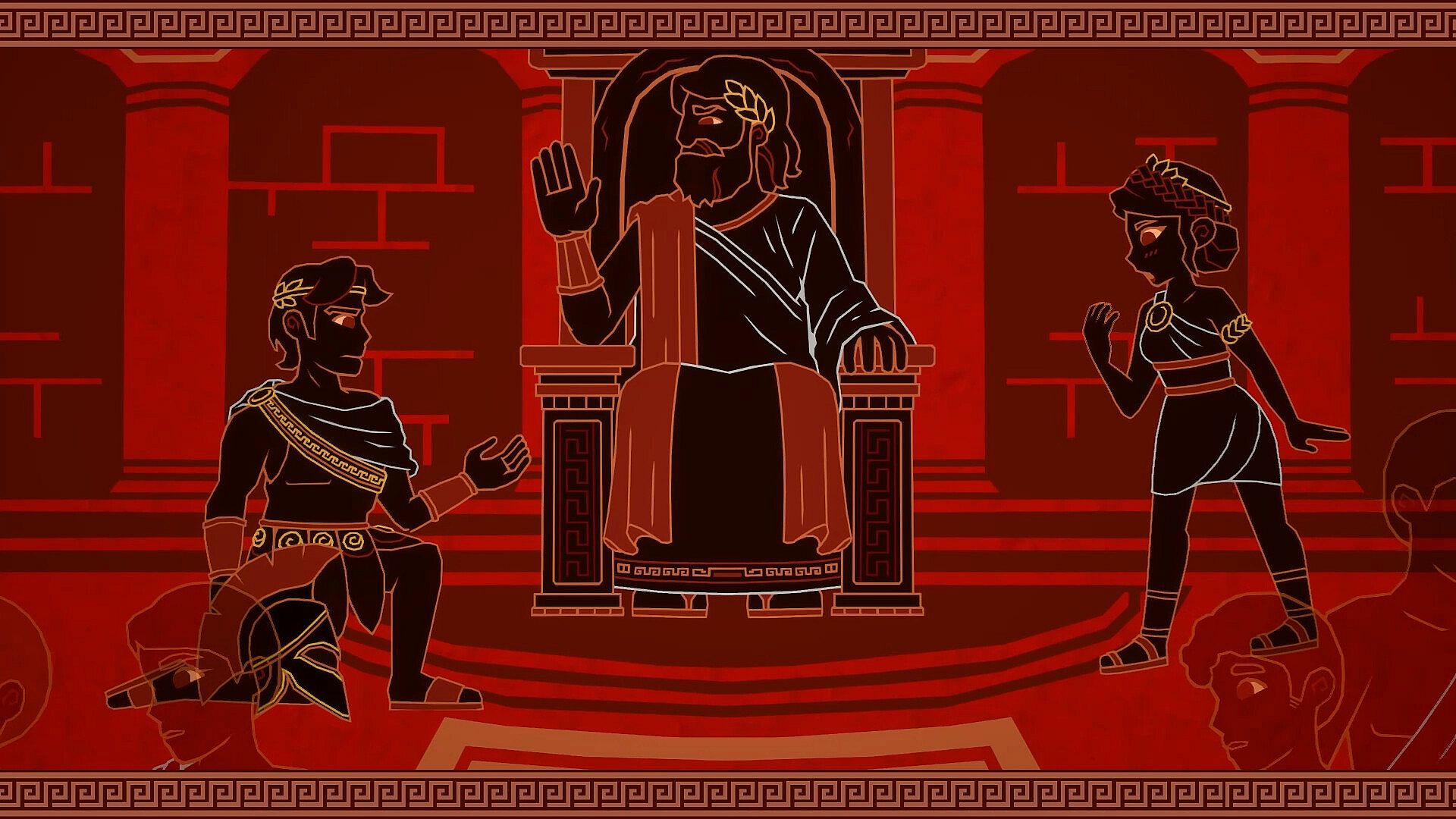
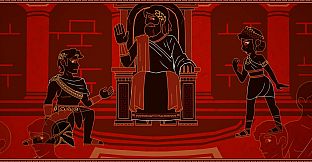
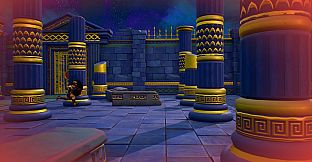
The story unfolds through an architect's voice delivered via a magical conch shell, offering guidance laced with nagging commentary and ironic observations. This narration blends with the visual design of winding stone corridors, ornate traps, and mythic architecture to create a tone that balances dread with wit. Characters encountered along the way contribute sharp dialogue that pokes at classic legends while building a distinct personality for the world. The central objective remains rescuing Theseus before fate intervenes, with the thread serving both mechanical and symbolic roles in the unfolding events.
Is It Worth Playing?
Players drawn to deliberate puzzle-solving in a compact, atmospheric setting will find the thread mechanic and environmental challenges engaging. The emphasis on lateral thinking and avoidance over combat suits those who prefer thoughtful progression in indie adventure titles. With a planned release in Q4 2026 and a demo already available for testing the core systems, interested players can evaluate the pacing and humor firsthand before committing. The satirical narrative voice and focus on observation make it a strong match for fans of myth-inspired games that prioritize personality and clever design over scale or action intensity.