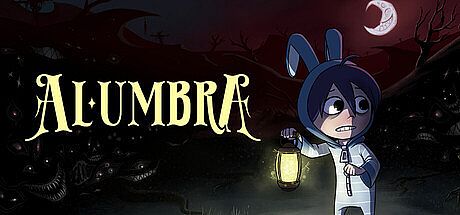


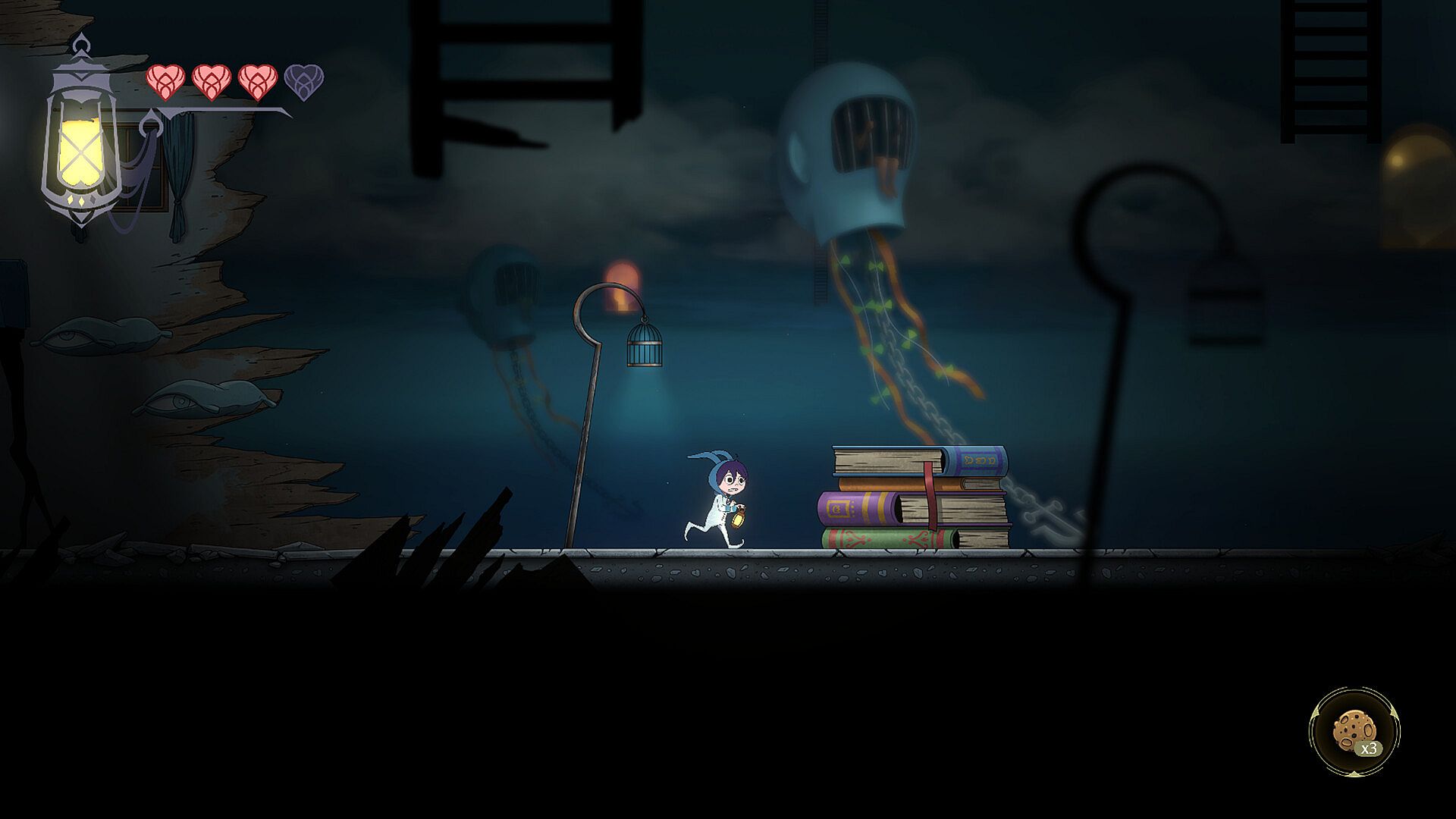
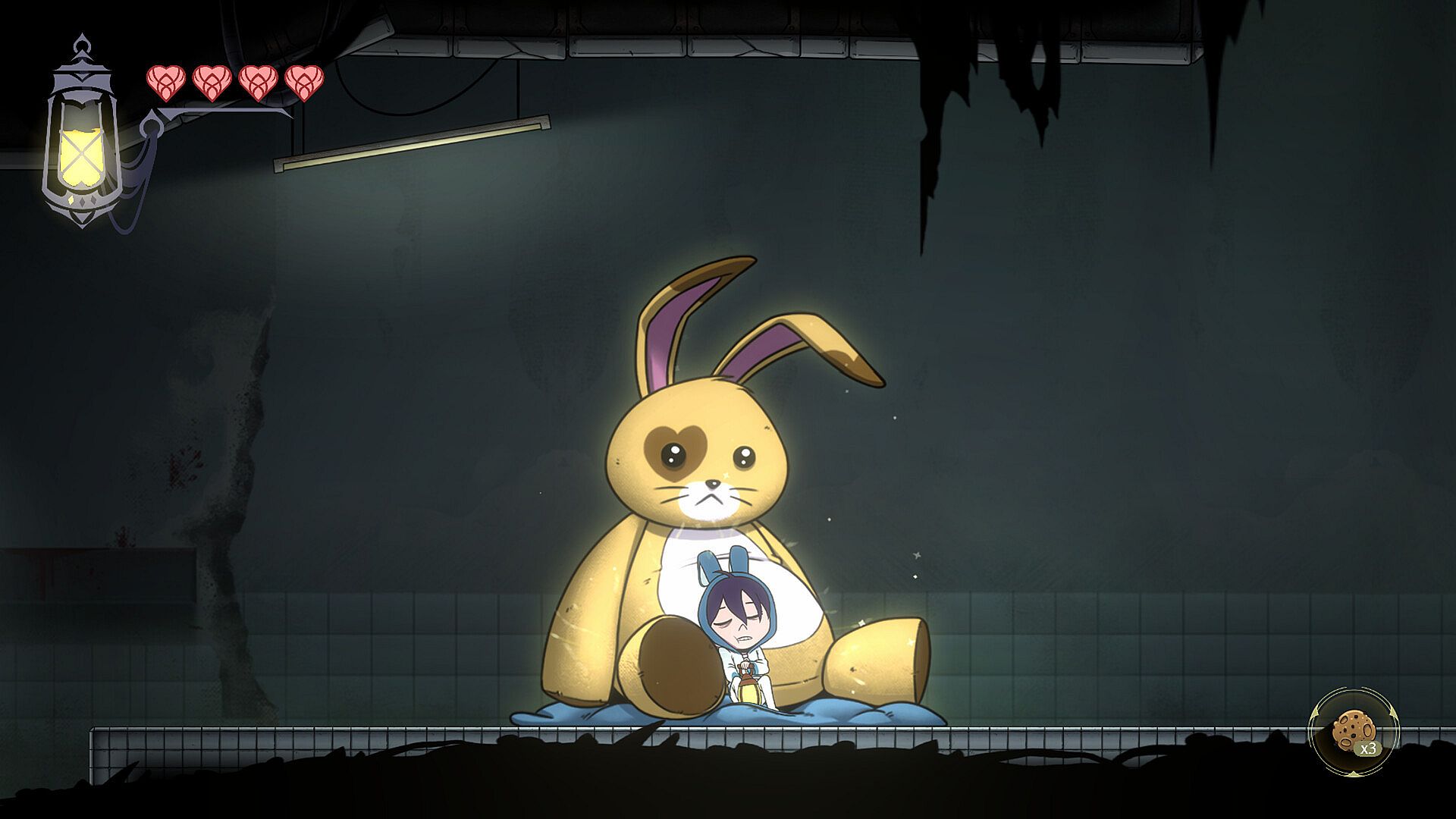
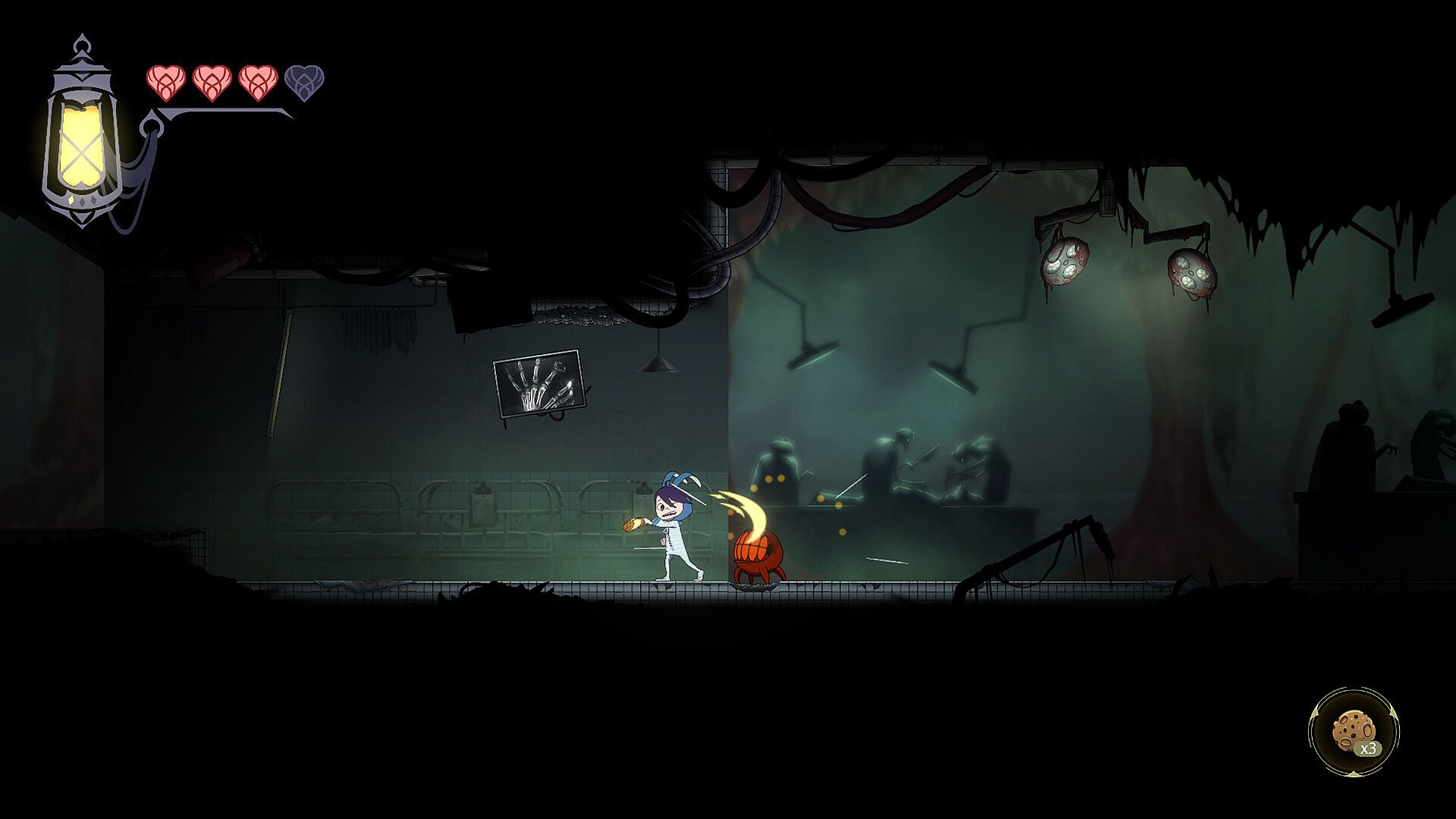
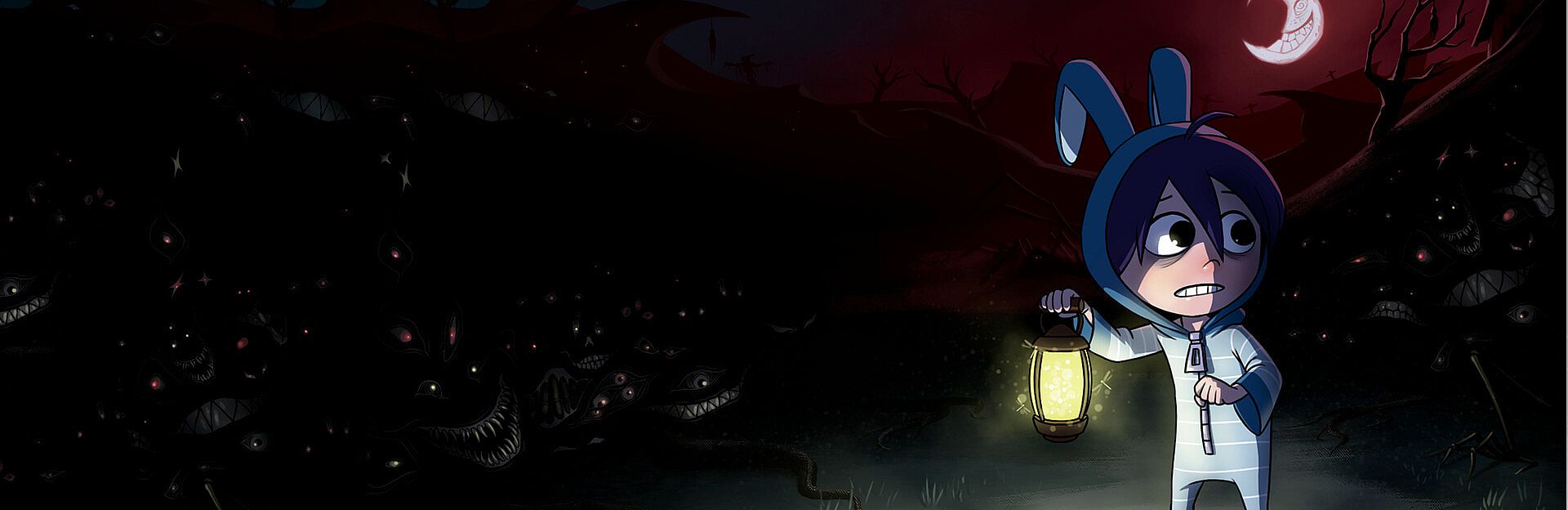
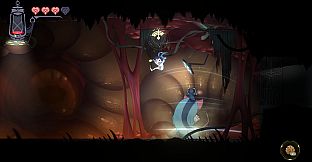
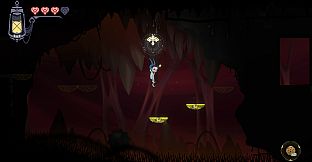
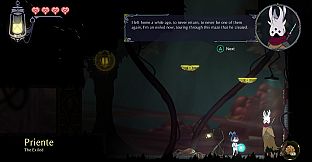
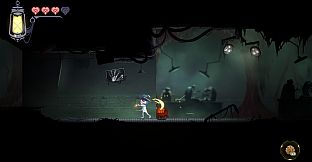
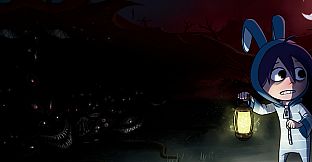
Alumbra is a single-player Metroidvania adventure game set on PC in which players control Vince, a child navigating a nightmare realm defined by fear, memory, and imagination. The core experience revolves around a lantern that serves as the only reliable source of light in an otherwise hostile darkness, with progression tied directly to how that light is managed and applied across exploration, combat, and puzzle solving.
Gameplay
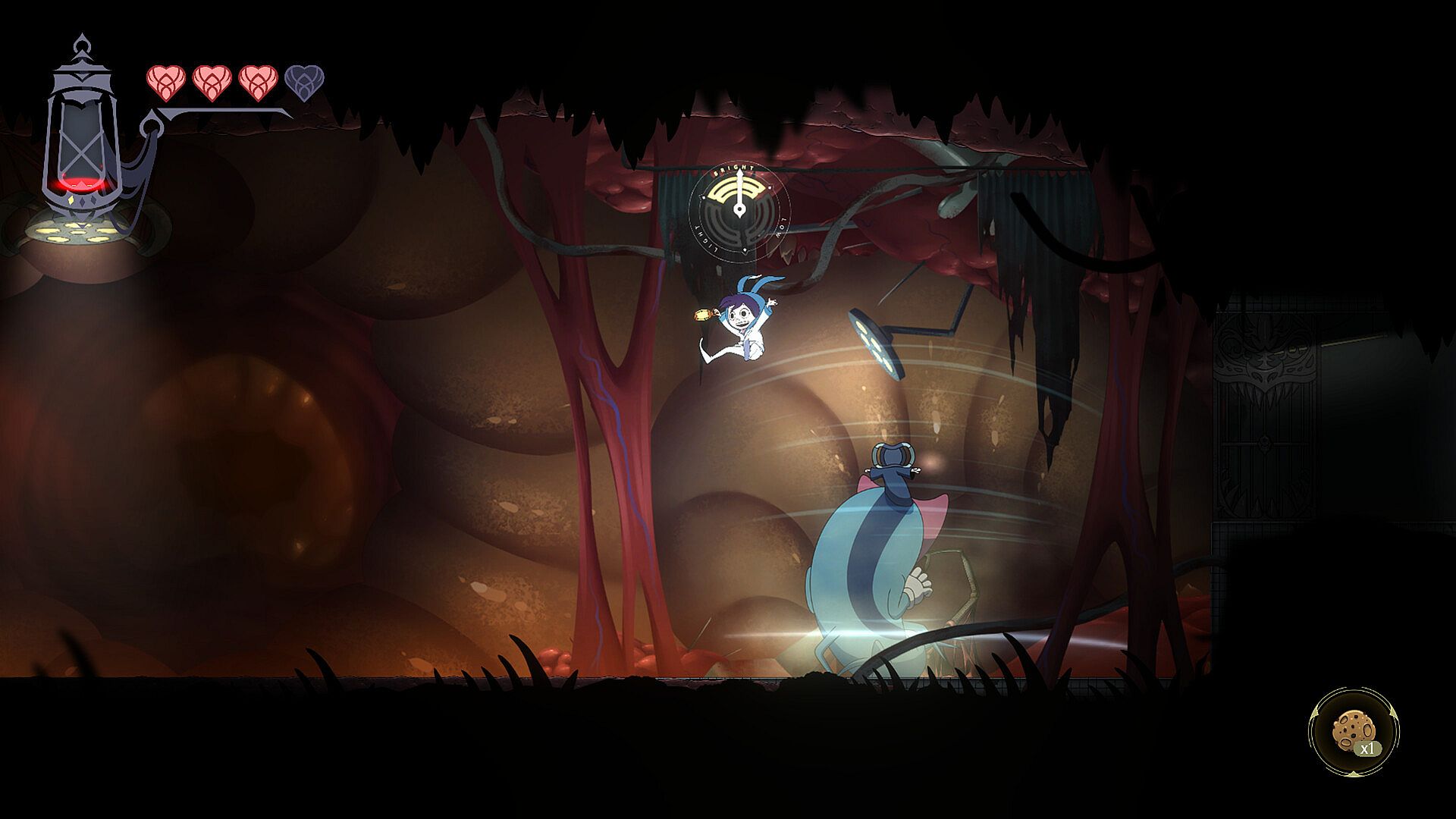
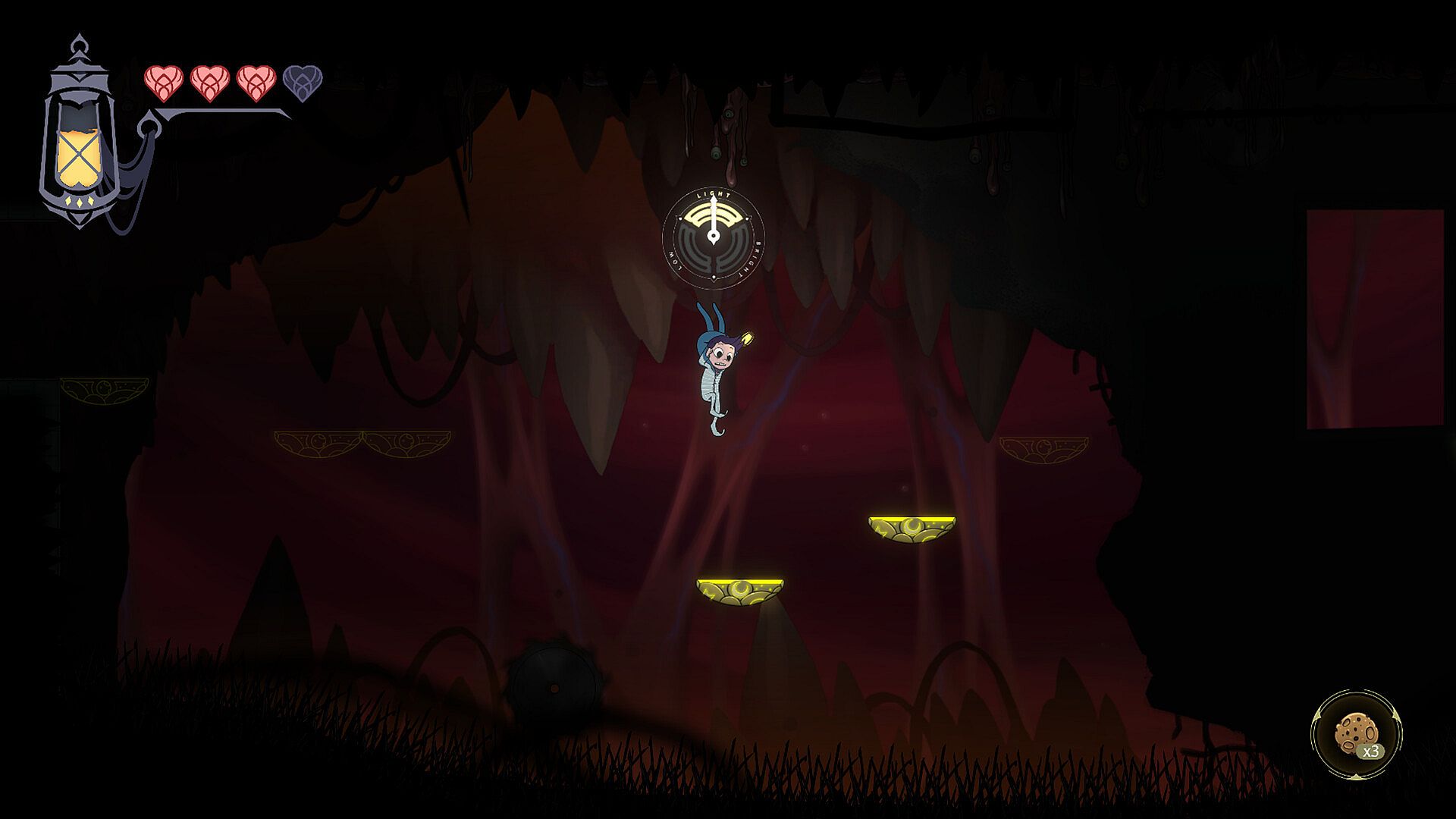
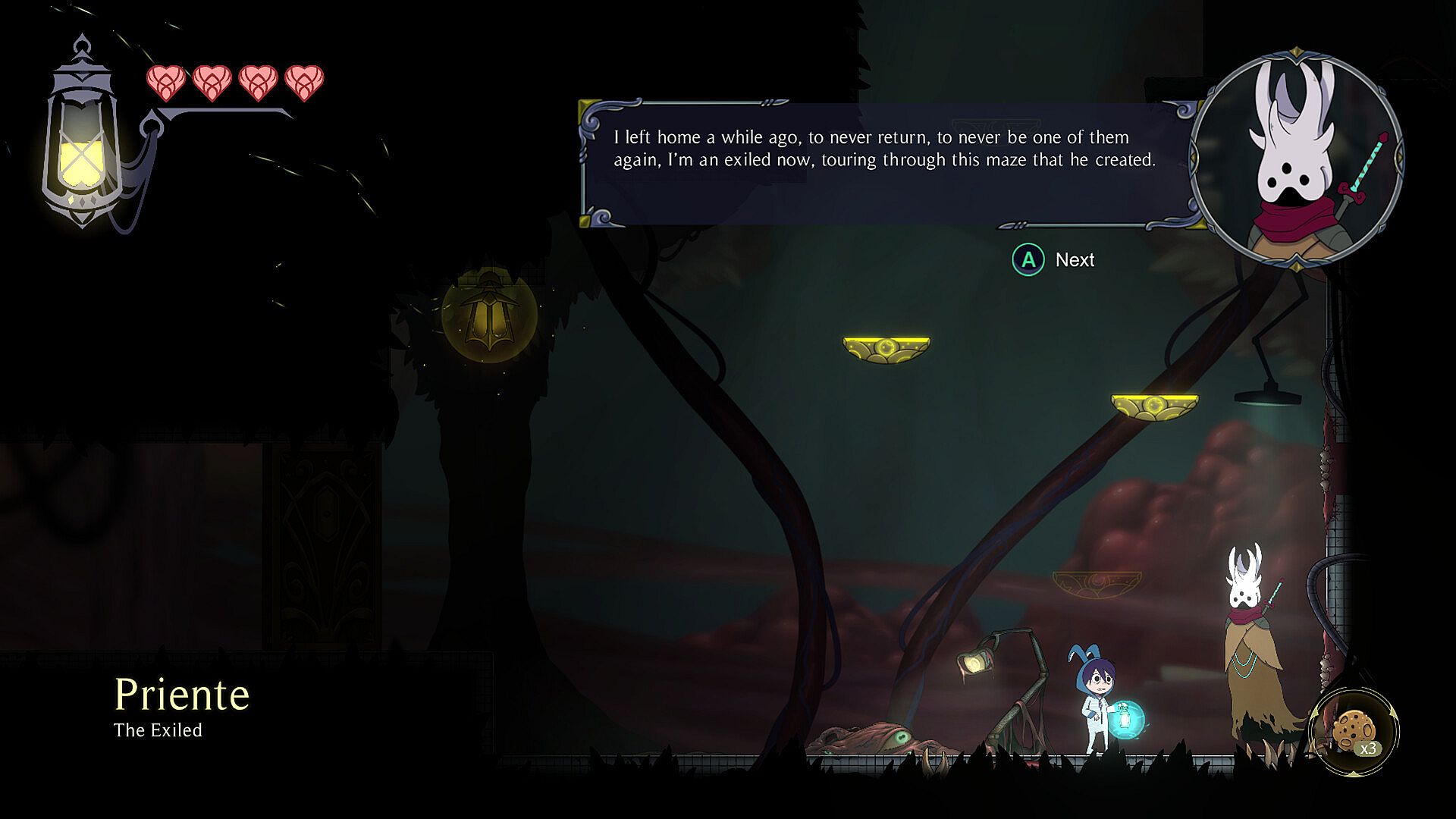
The central loop centers on light management through different states that alter visibility, interact with the environment, and influence encounters. Switching states allows players to reveal hidden paths, neutralize threats, restore resources, or open new routes, making resource decisions a constant factor in movement and survival. Areas draw from childhood anxieties rendered in surreal forms, where light-based puzzles require careful observation of shadows and reflections to progress. Encounters with creatures and larger bosses emerge from the same imaginative source, demanding precise timing and positioning rather than raw power. Side activities include uncovering scattered memories and interacting with unusual figures that offer optional tasks, all while backtracking through interconnected spaces becomes necessary as new capabilities are gained.
Abilities expand gradually, and Pajama Suits modify movement speed, attack patterns, and defensive options to suit different play preferences. Echoes function as passive modifiers drawn from the protagonist's recollections, layering additional effects onto the base toolkit. This combination encourages experimentation with loadouts that affect both traversal speed and combat approach without altering the fundamental single-player structure.
Game Modes
Alumbra operates entirely as a single-player experience focused on narrative progression through a connected world. There are no separate competitive or cooperative modes confirmed at this stage. The design emphasizes personal pacing, with exploration and confrontation of fears forming the primary structure rather than any multiplayer framework or alternate rule sets.
Exploration and Progression
World design encourages repeated visits to earlier sections once new light states or abilities become available. Childhood-inspired environments shift in tone and layout based on memory fragments collected along the way, revealing additional context without requiring linear completion. Boss encounters test the integration of light mechanics with suit and Echo choices, often requiring adaptation mid-fight to exploit environmental elements. The overall structure rewards thorough investigation of each dreamscape while maintaining a clear path toward confronting the central nightmare.
Is It Worth Playing?
Alumbra targets players who enjoy deliberate Metroidvania exploration where light serves as both tool and limitation. Its systems reward thoughtful management over speed, and the surreal presentation of fears provides a distinct atmosphere for those interested in psychological themes within the genre. With a planned 2027 release and no reviews available yet, suitability depends on preference for single-player focused adventures that blend puzzle elements with ability-gated progression. Those drawn to lantern-centric mechanics and customizable passive effects will find the core loop aligned with the described features.