




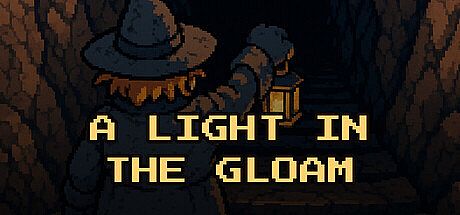


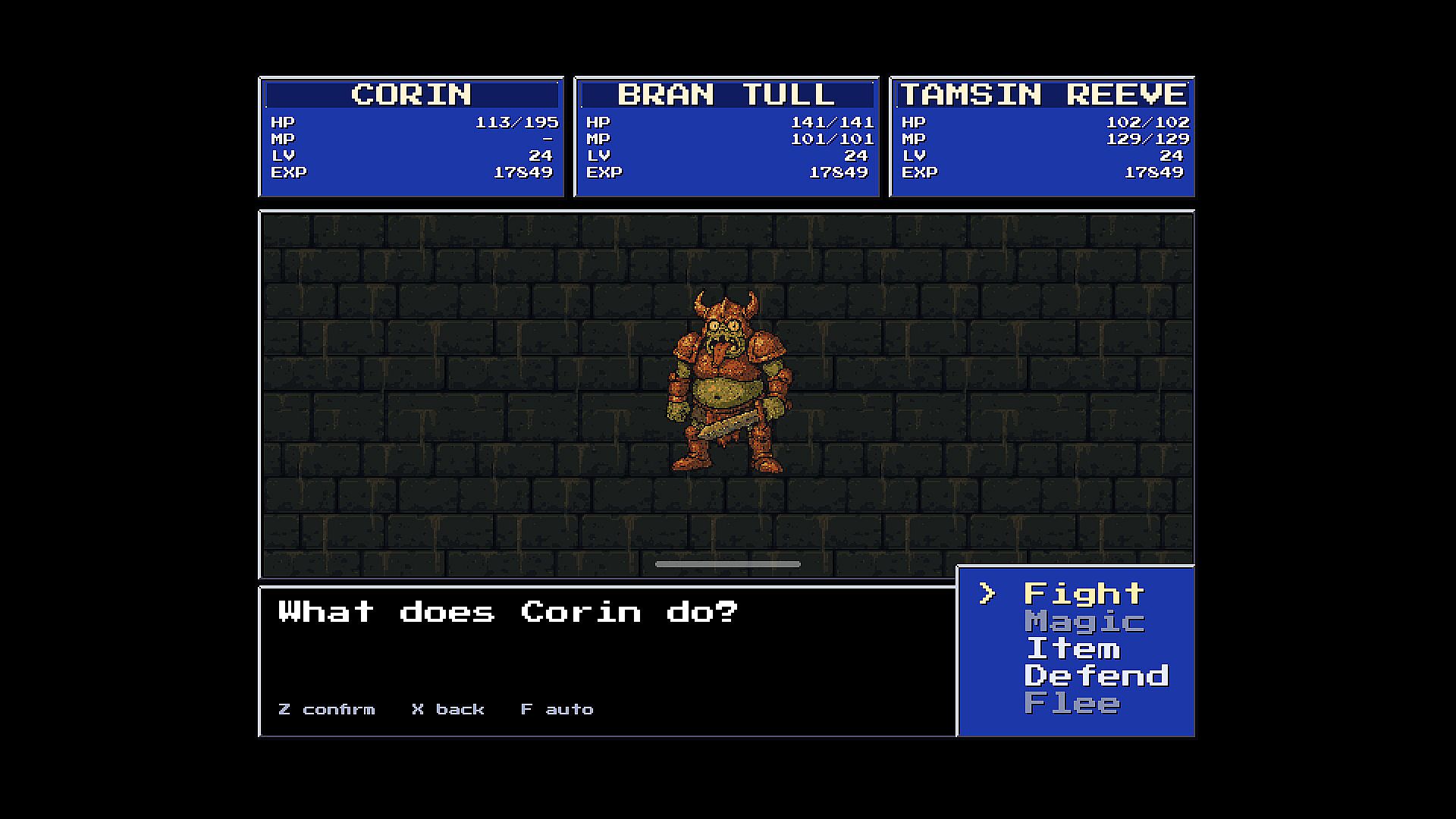
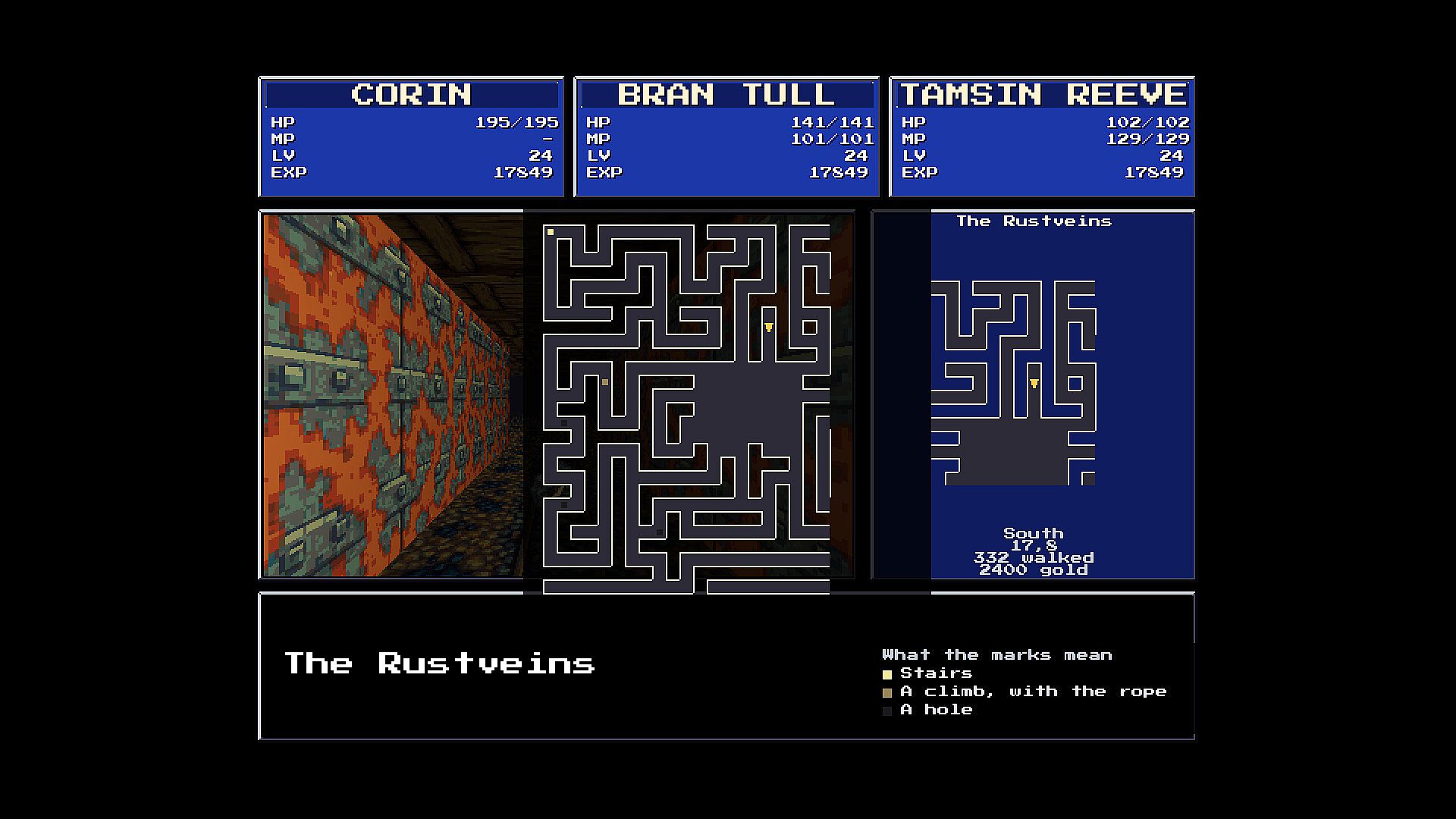
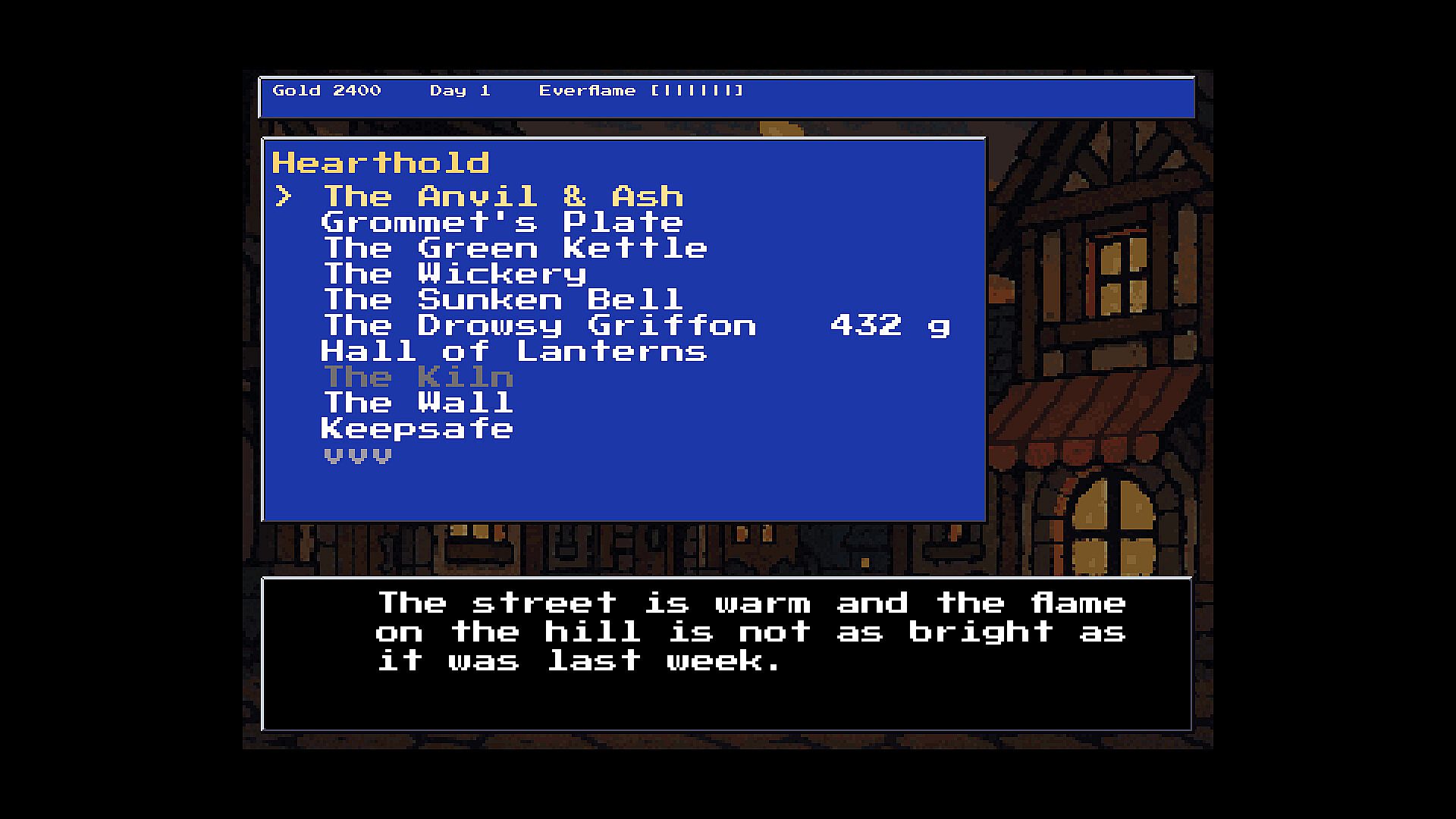
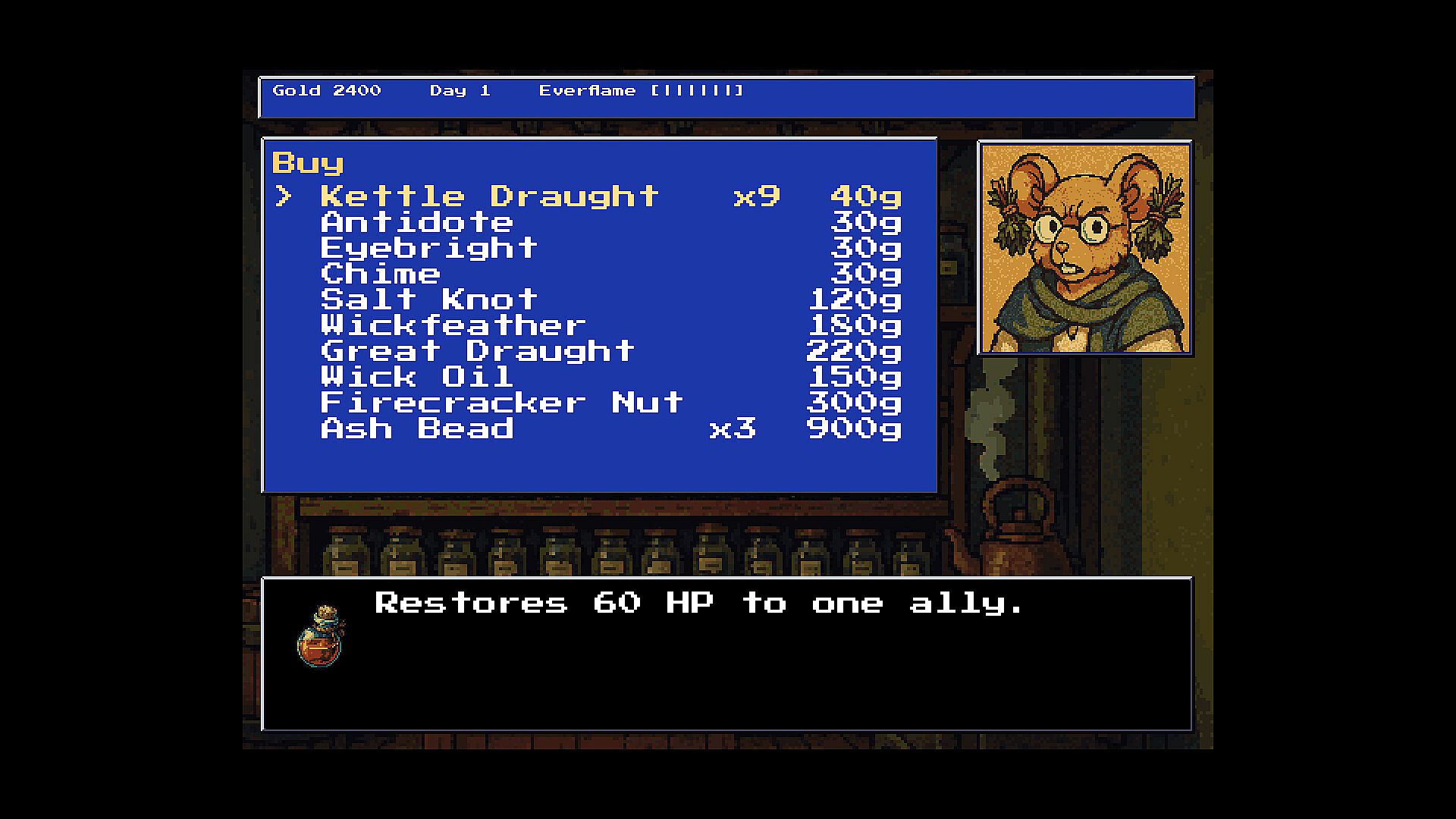
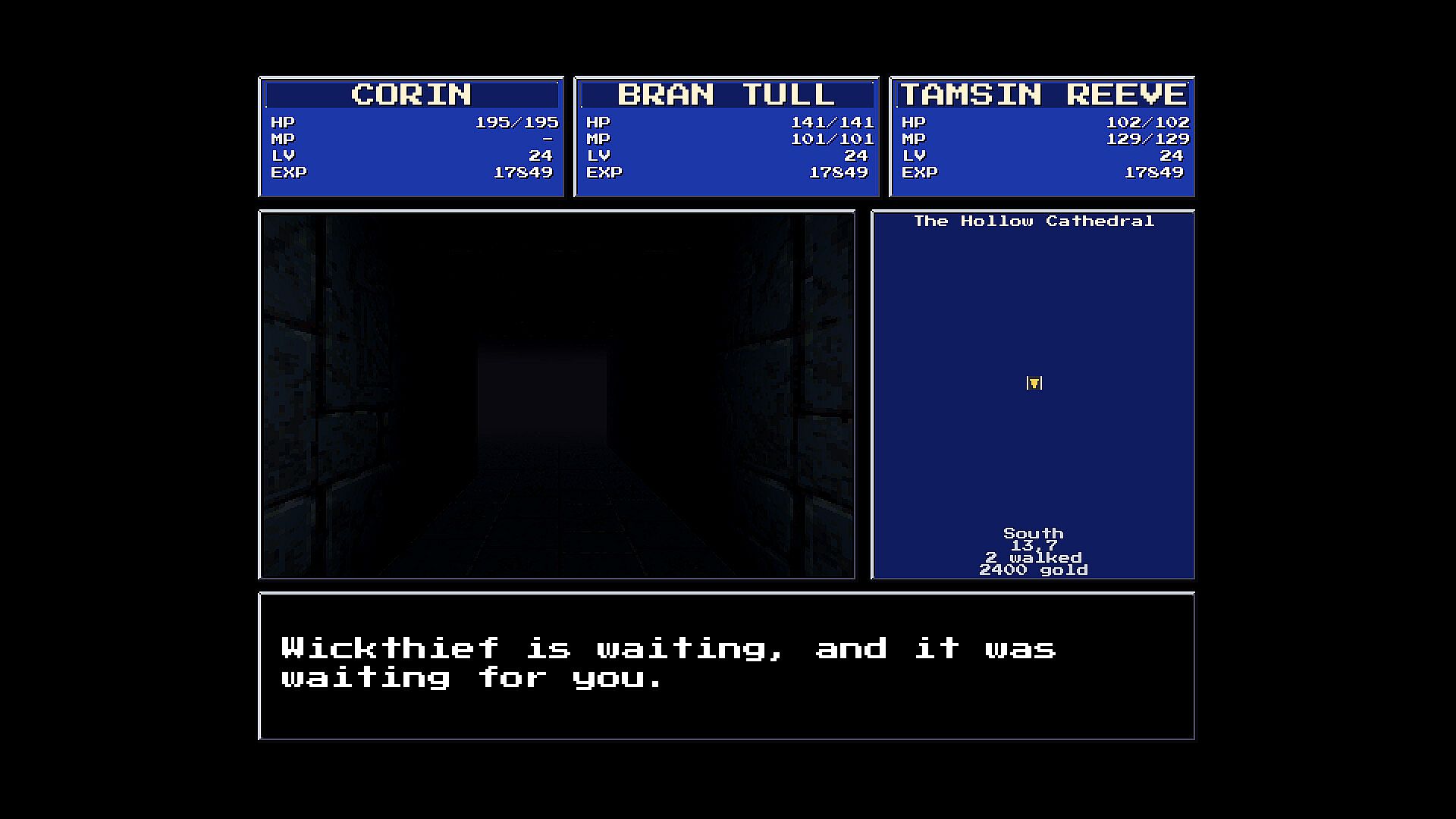
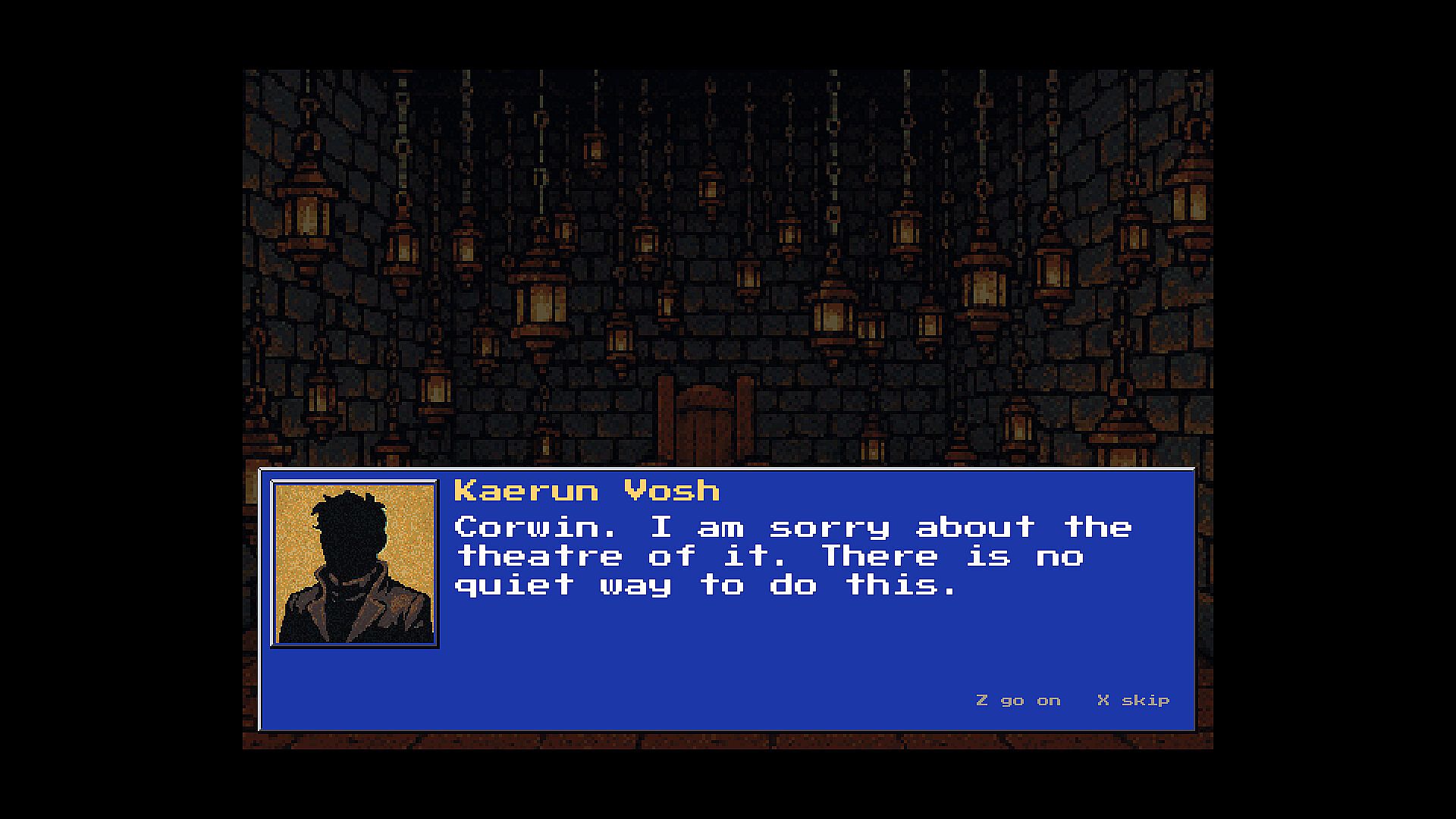
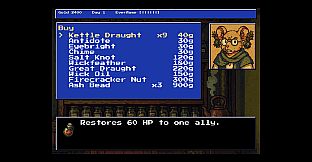
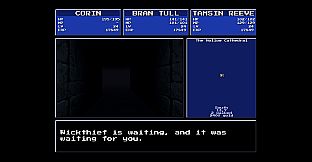
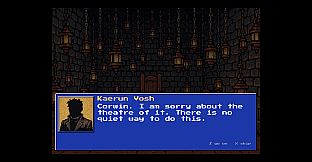
A Light in the Gloam is an indie RPG adventure game developed as a solo project for PC. Players take on the role of the last remaining lantern bearer in a town built around an ancient flame that must be fed in the depths of the Deepworks. The story centers on a descent into ten fixed floors of a maze-like dungeon after a failed expedition leaves key figures missing and the flame dimming. Core elements include first-person navigation limited to four directions, turn-based party combat, resource management through retreats to town, and an earned automap that reveals only visited squares until surveyed.
Gameplay
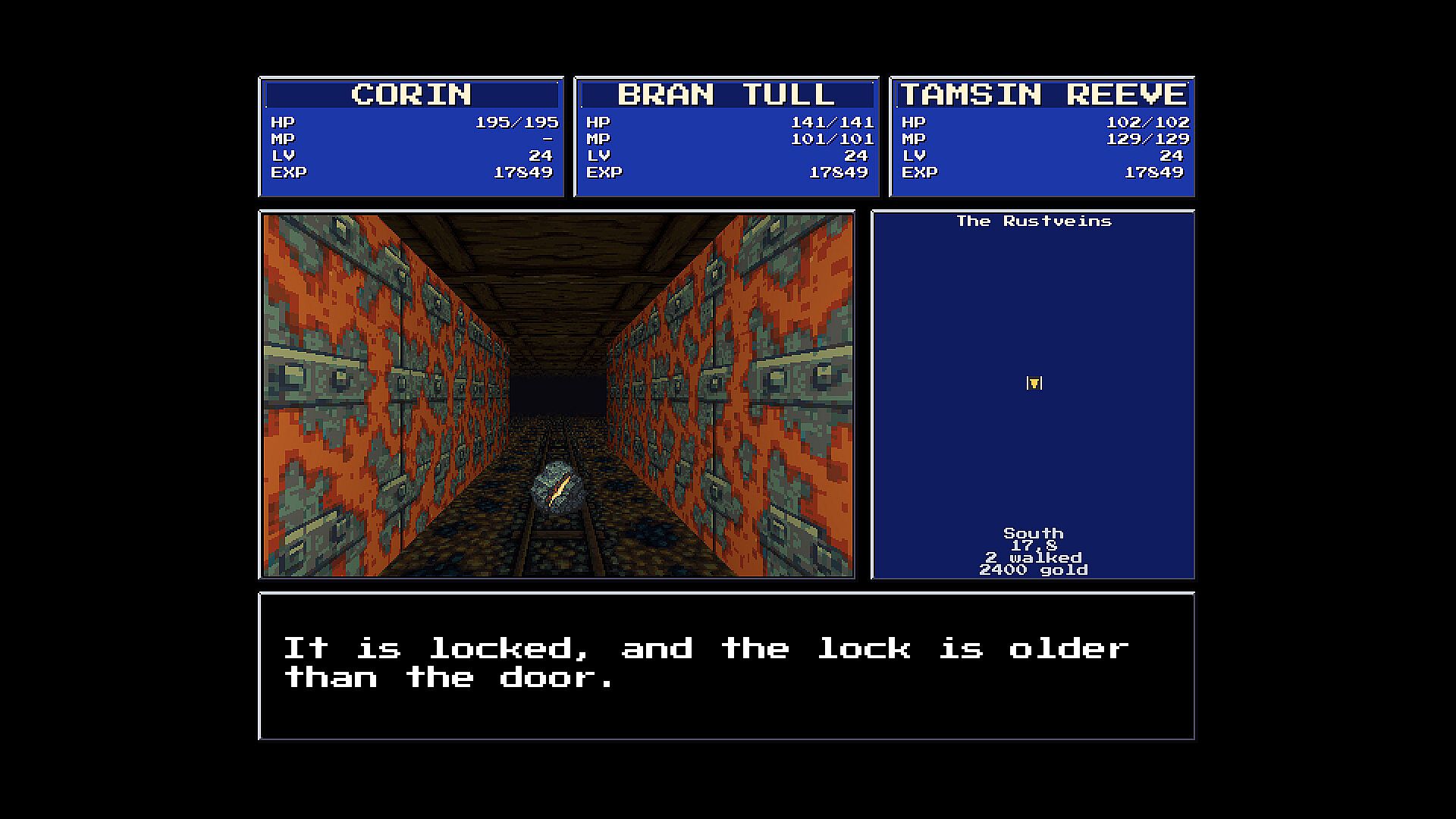
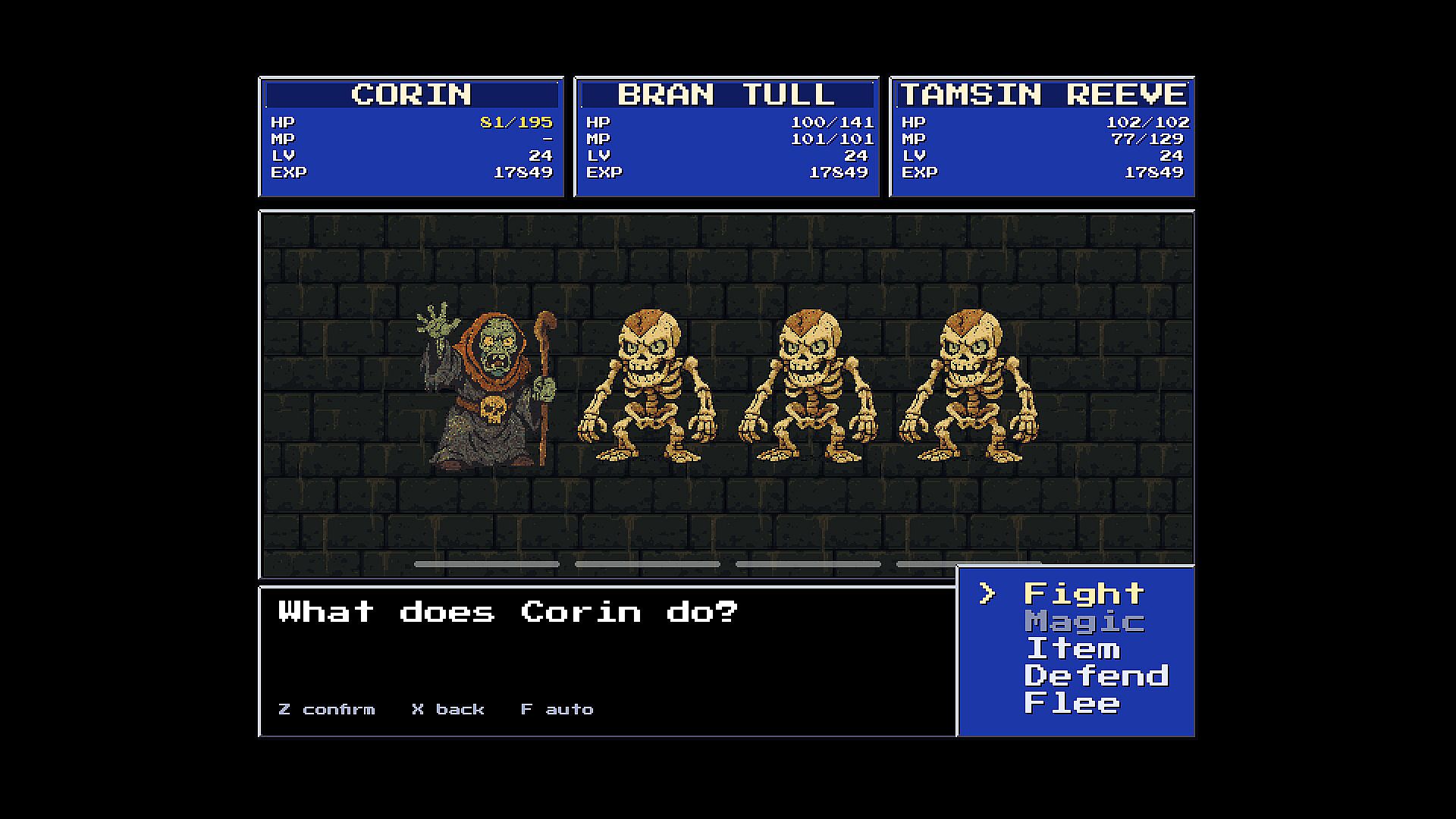
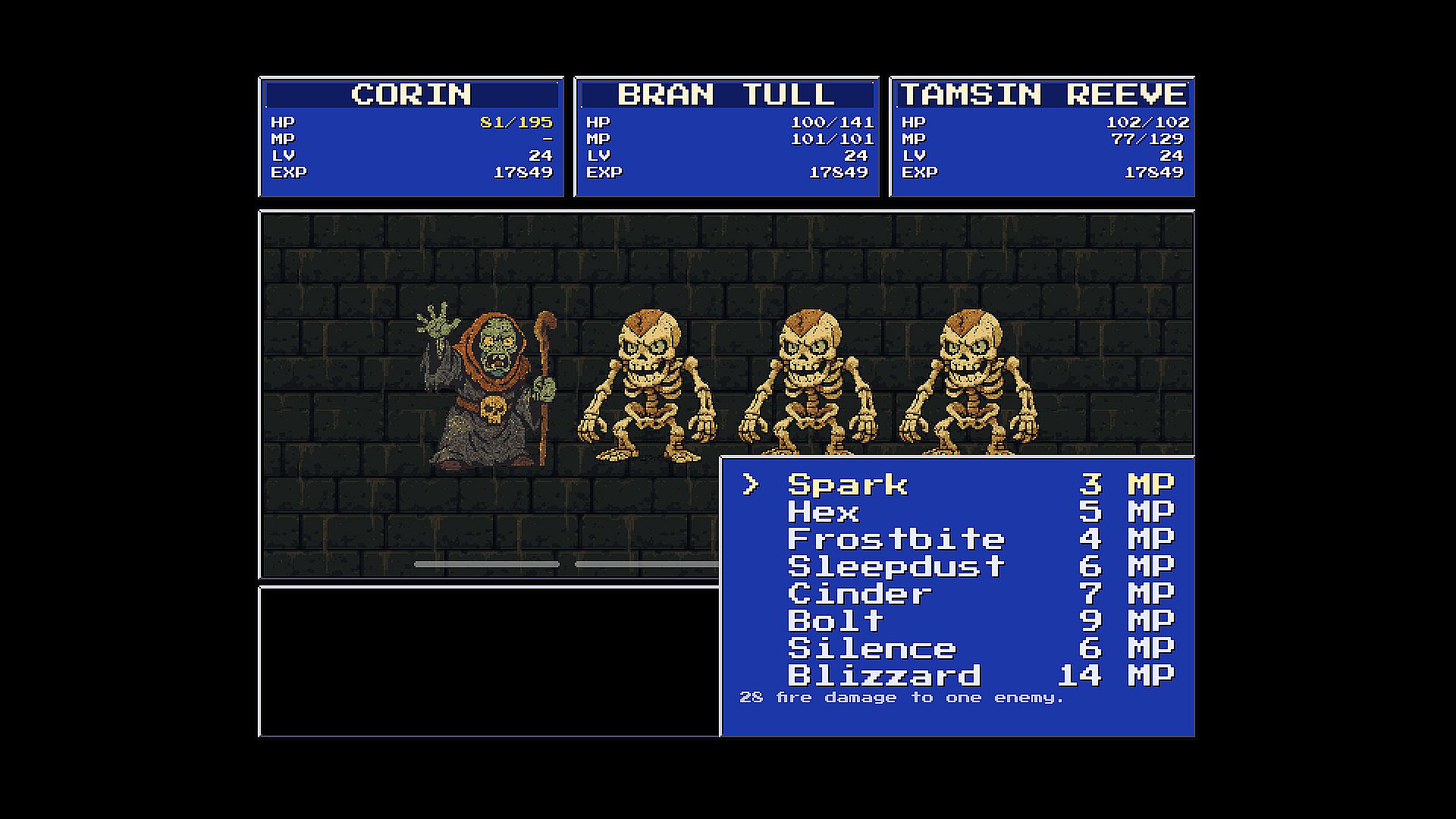
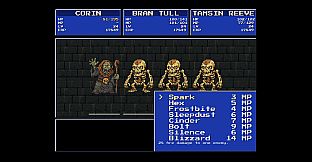
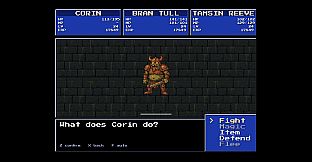
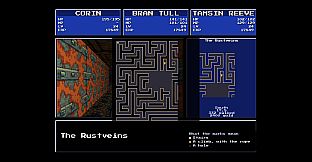
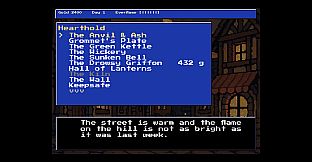
The gameplay follows a deliberate loop of descent, exploration, combat, and retreat. Movement occurs square by square in fixed mazes that remain consistent across play sessions, encouraging players to learn layouts over multiple runs. Combat involves a party of three using one of 46 spells against 43 monsters, with nine bosses that emphasize specific mechanics over raw hit points. The lantern serves as a progression tool, unlocking abilities such as traversing flooded areas, revealing false walls, or crossing shafts once powered up through exploration. Saving occurs only in town, making the return trip with collected items and a damaged party a strategic decision rather than a failure. An automap requires active surveying of each floor, and pinned locations allow later returns when the lantern has the necessary capabilities.
Turn-based encounters reward careful party composition and spell selection, while the overall structure emphasizes preparation and timing over constant forward progress. The game avoids free camera movement or real-time elements, keeping focus on deliberate choices in a compact dungeon environment.
Game Modes
Story Mode stands as the primary accessibility option. In this mode the party receives 60 percent damage, with no content locked, no markers added, and all four endings remaining available. A reduced encounter rate option lowers the frequency of fights without altering item drops. Additional settings include one-key auto-battle, adjustable battle and text speeds from slow to instant, colorblind aids that name spell elements and display signed damage numbers, remappable controls, toggleable screen shake, separate volume sliders, and full gamepad support. Language options cover complete English and Brazilian Portuguese text, selectable from the menu.
Story and Progression
The narrative unfolds through the fixed dungeon floors and the consequences of feeding the flame. Four distinct endings depend on player choices during the expedition rather than on hidden unlocks or prior completions. Progression ties directly to lantern upgrades that reopen previously inaccessible sections of earlier floors, creating a sense of layered discovery within the same maps. The ten-floor structure builds tension through repeated descents, with the walk back to safety forming a core risk-reward element. No procedural generation alters the mazes, so familiarity with each level becomes a lasting advantage across multiple attempts.
Is It Worth Playing?
Players who enjoy classic first-person dungeon crawlers with turn-based combat and deliberate pacing will find the systems here rewarding. The emphasis on earned mapping, strategic retreats, and lantern-based progression creates a self-contained experience that respects time through adjustable settings and clear mechanics. As a solo-developed title scheduled for release on October 13, 2026, it offers a compact single-player adventure without ongoing seasons or multiplayer components. Those seeking complex party management, fixed-maze exploration, and choice-driven endings in an indie RPG format have a clear match in the verified features. The accessibility options broaden its appeal to different play styles while preserving the core challenge of managing resources and deciding when to turn back.











