





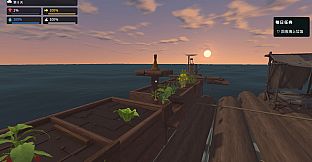
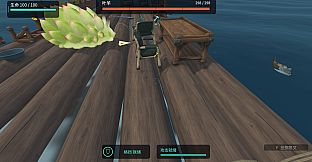
60 Days Adrift is an indie survival simulation and adventure game set on the open ocean. Players manage daily life on a makeshift raft after a shipwreck, balancing resource gathering, crafting, and interpersonal decisions while searching for rescue over the course of sixty days.
Gameplay
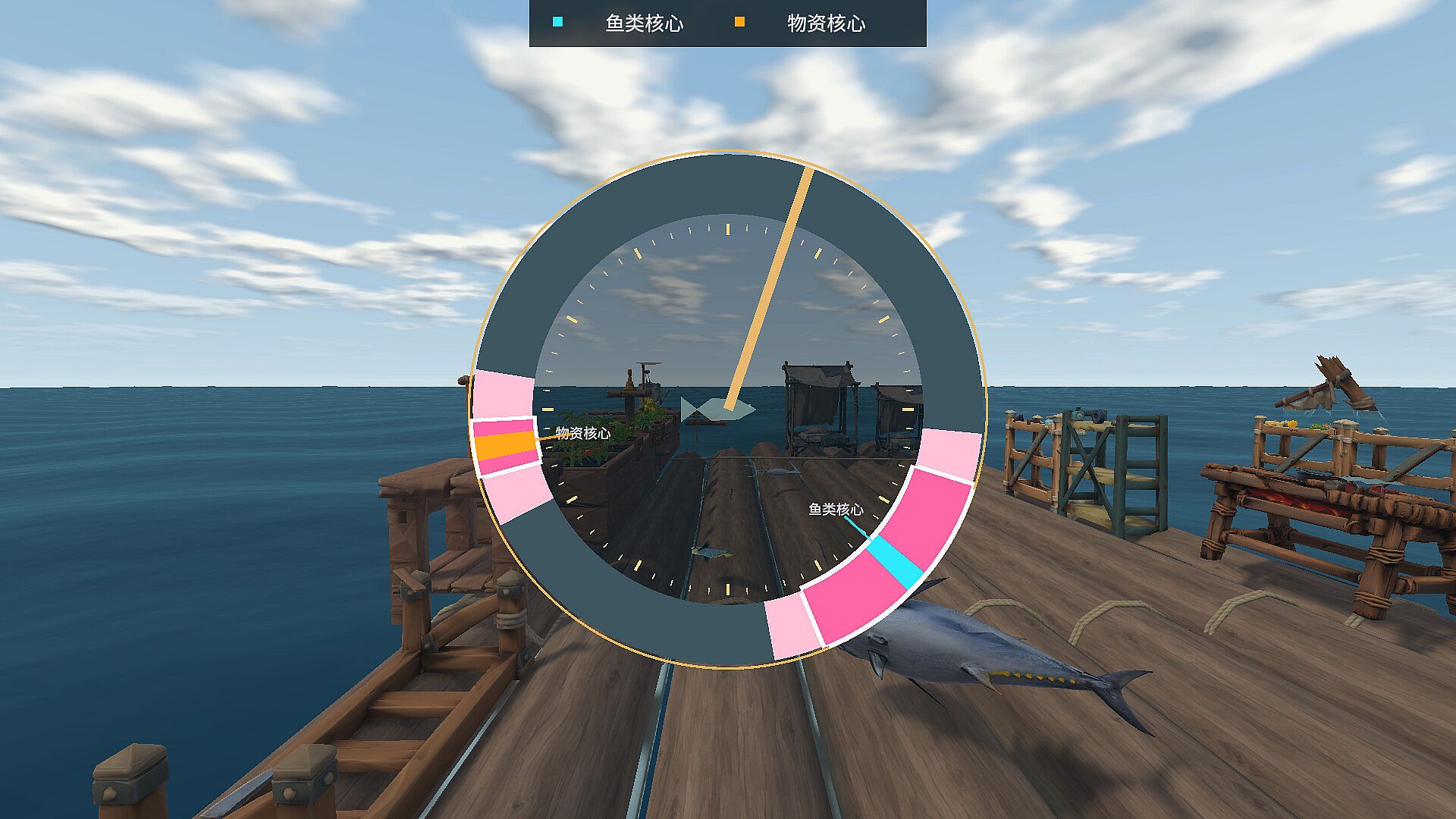
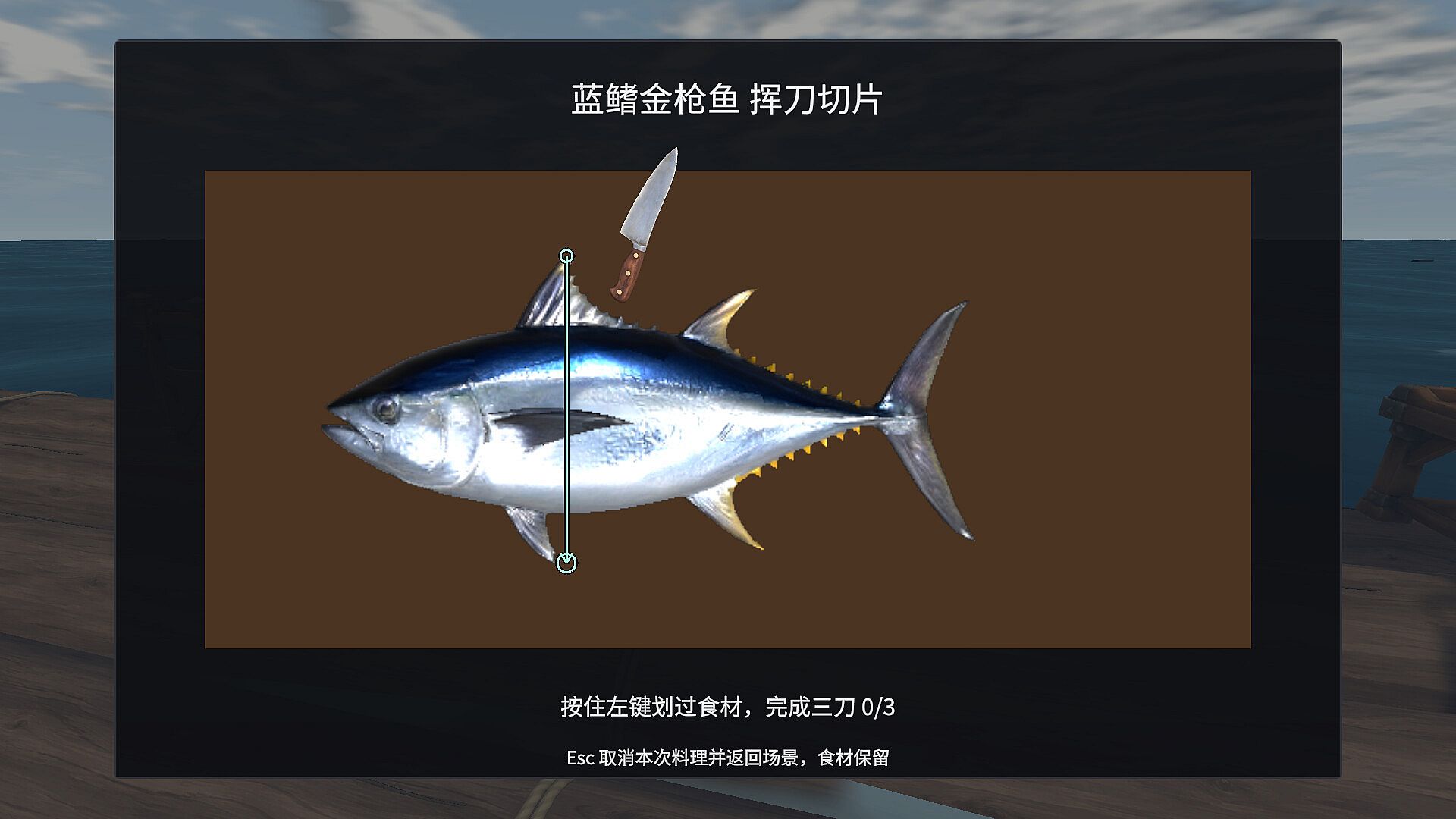
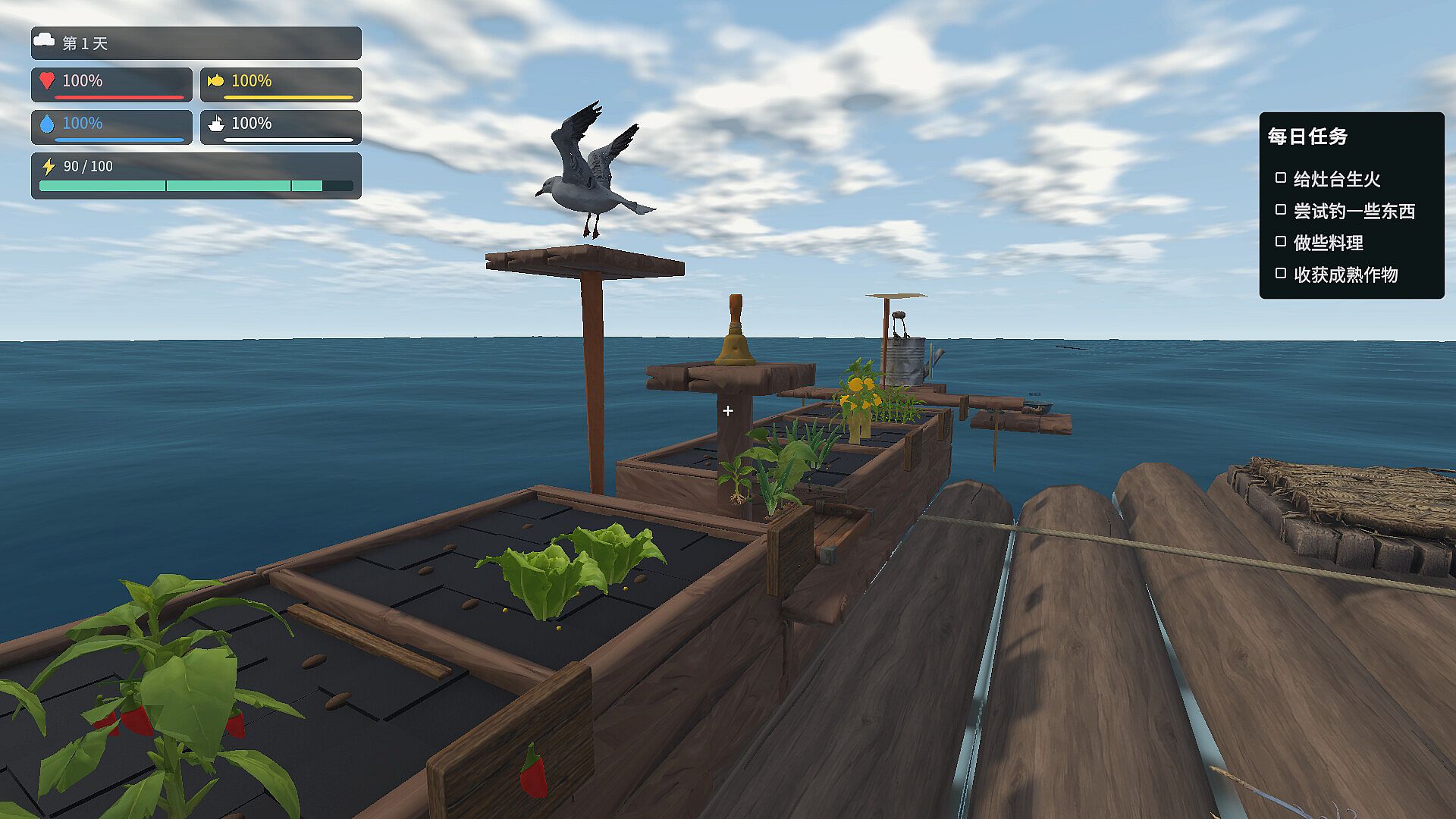
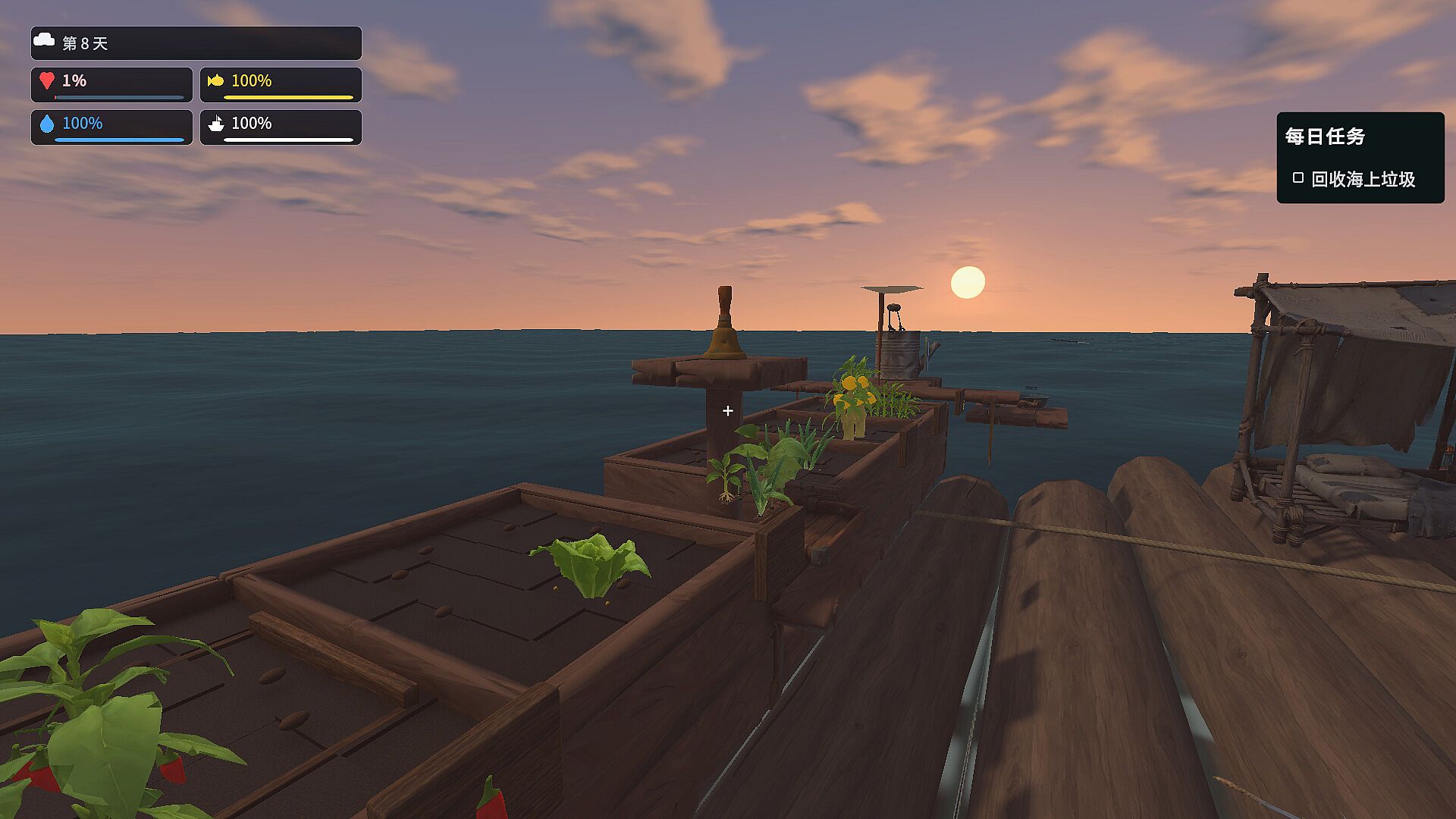
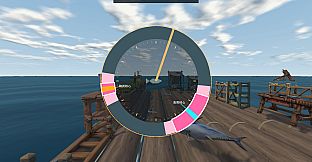
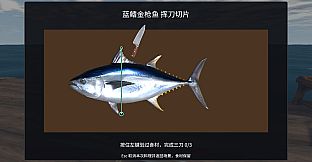
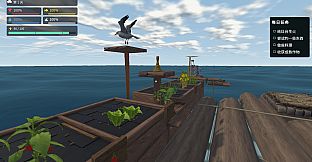
The core loop centers on maintaining the raft and its occupants through practical tasks. Players fish for food, cook meals, collect drifting supplies, and manage stocks of fresh water. They repair and upgrade raft structures, experiment with growing crops, and decide how to allocate limited resources between survival needs and other priorities. Sea conditions introduce variability, as weather and random events can affect supplies and stability.
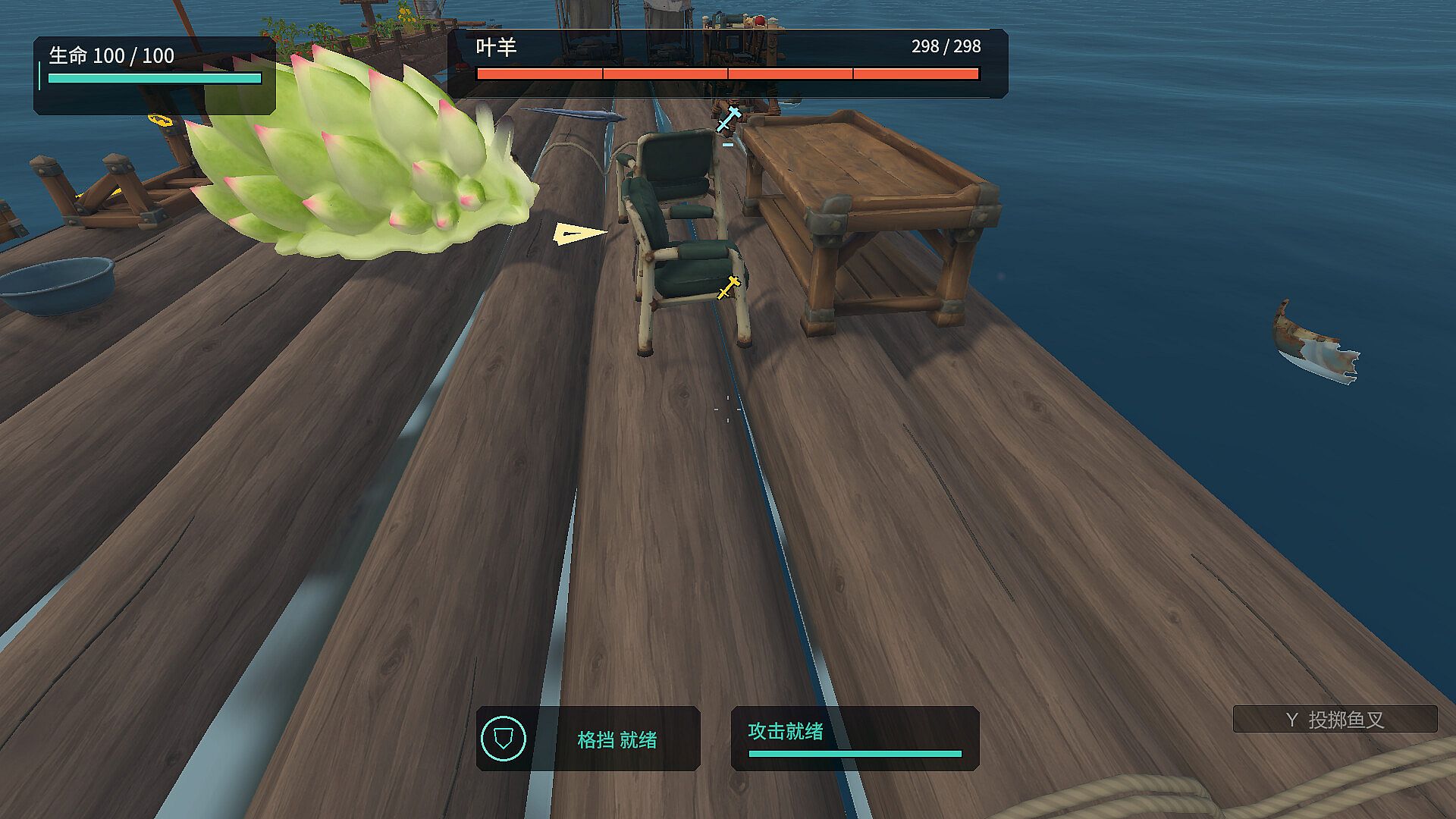
Combat arises when certain fish mutate after being caught. These creatures require players to equip weapons, avoid attacks, and counter at the right moments to secure the catch or defend the raft. Resource management extends to trading with passing strangers, where choices about sharing or assisting influence available goods and future encounters.
Relationship building forms another key layer. Time spent together on the raft gradually reveals more about the companion, with player actions and decisions directly affecting the bond. This system ties into broader narrative progression, where accumulated choices determine available paths and outcomes as the days advance.
Game Modes
The game supports solo play, allowing a single player to handle all raft duties and relationship elements independently. It also includes an online co-op option for two players, enabling shared responsibility for fishing, crafting, combat, and decision-making while facing the same sea challenges together.
Both modes emphasize the same survival and narrative systems, with co-op adding opportunities for coordinated resource allocation and joint responses to events. No additional modes or variants are confirmed at this stage.
Narrative and Progression
Progress unfolds day by day through routine survival activities and occasional discoveries. Clues about potential rescue appear over time, and player choices influence whether rescue arrives or alternative endings unfold by day sixty. Multiple endings encourage replaying to explore different relationship paths and resource strategies.
The experience blends simulation elements like inventory tracking and upgrade decisions with adventure aspects such as exploration of drifting items and interactions with outsiders. This creates a focused loop centered on endurance and personal connections rather than large-scale exploration or combat campaigns.
Is It Worth Playing?
60 Days Adrift targets players who enjoy intimate survival simulations with strong narrative components. Its emphasis on resource management, light combat encounters, and evolving relationships with a companion offers a distinct take on raft-based survival. The co-op mode provides a way to share those responsibilities with a friend.
As an upcoming title with no released version or player data available yet, its appeal rests on the described systems of daily maintenance, choice-driven storytelling, and multiple endings. Fans of indie games that combine crafting loops with personal drama may find it a good fit once it launches, particularly if they prefer contained experiences over expansive worlds.












