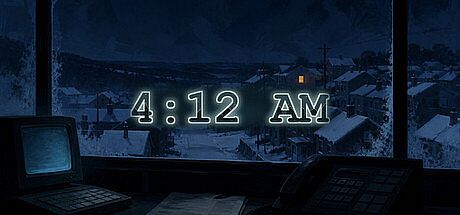


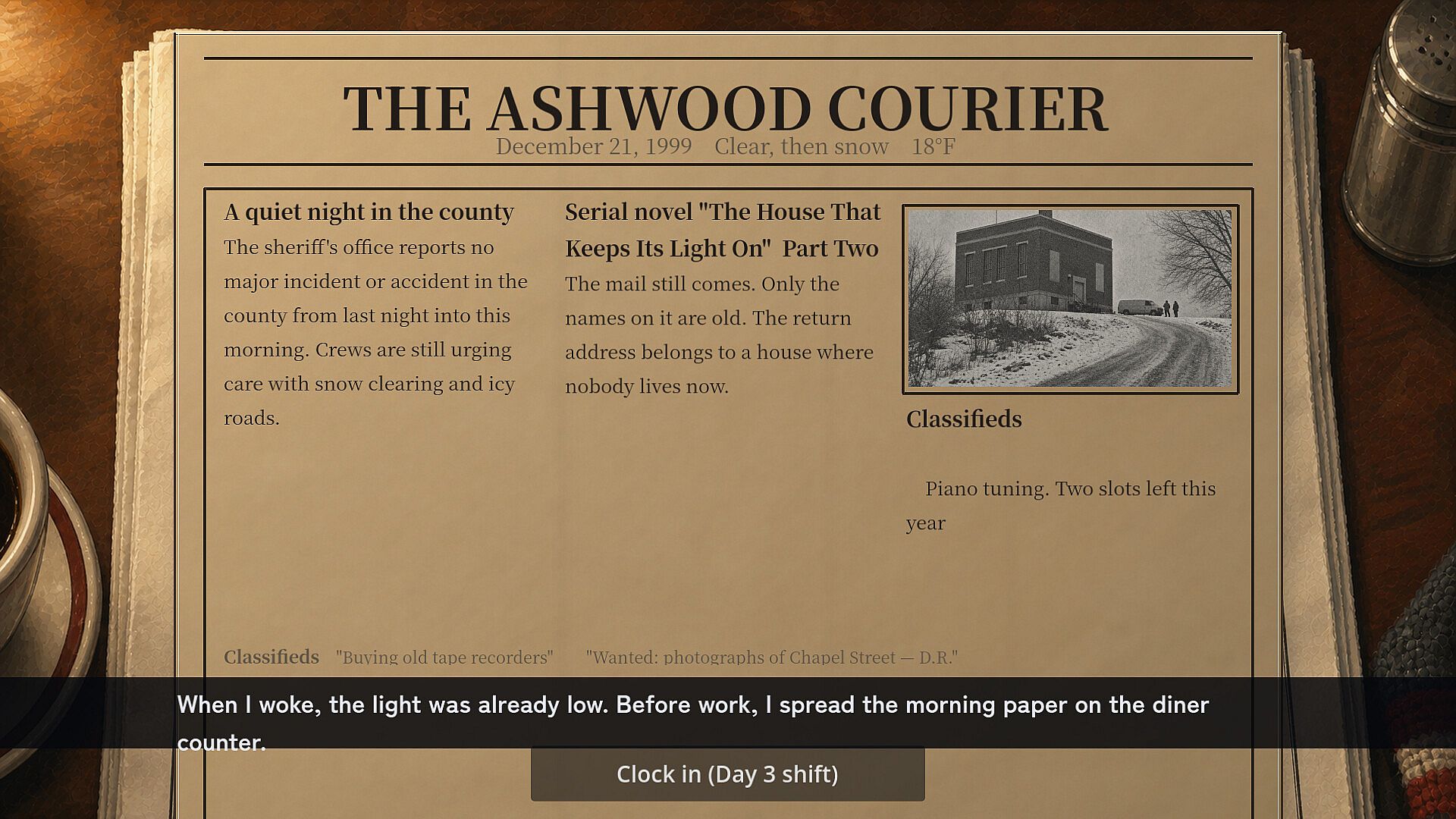

4:12 AM is an indie simulation adventure game set on PC that places players in the role of a 911 operator handling emergency calls in a small Pennsylvania town during the final days of 1999. The experience centers on voice-driven interactions with callers, where decisions shape outcomes across a series of nights leading up to the new year.
Gameplay
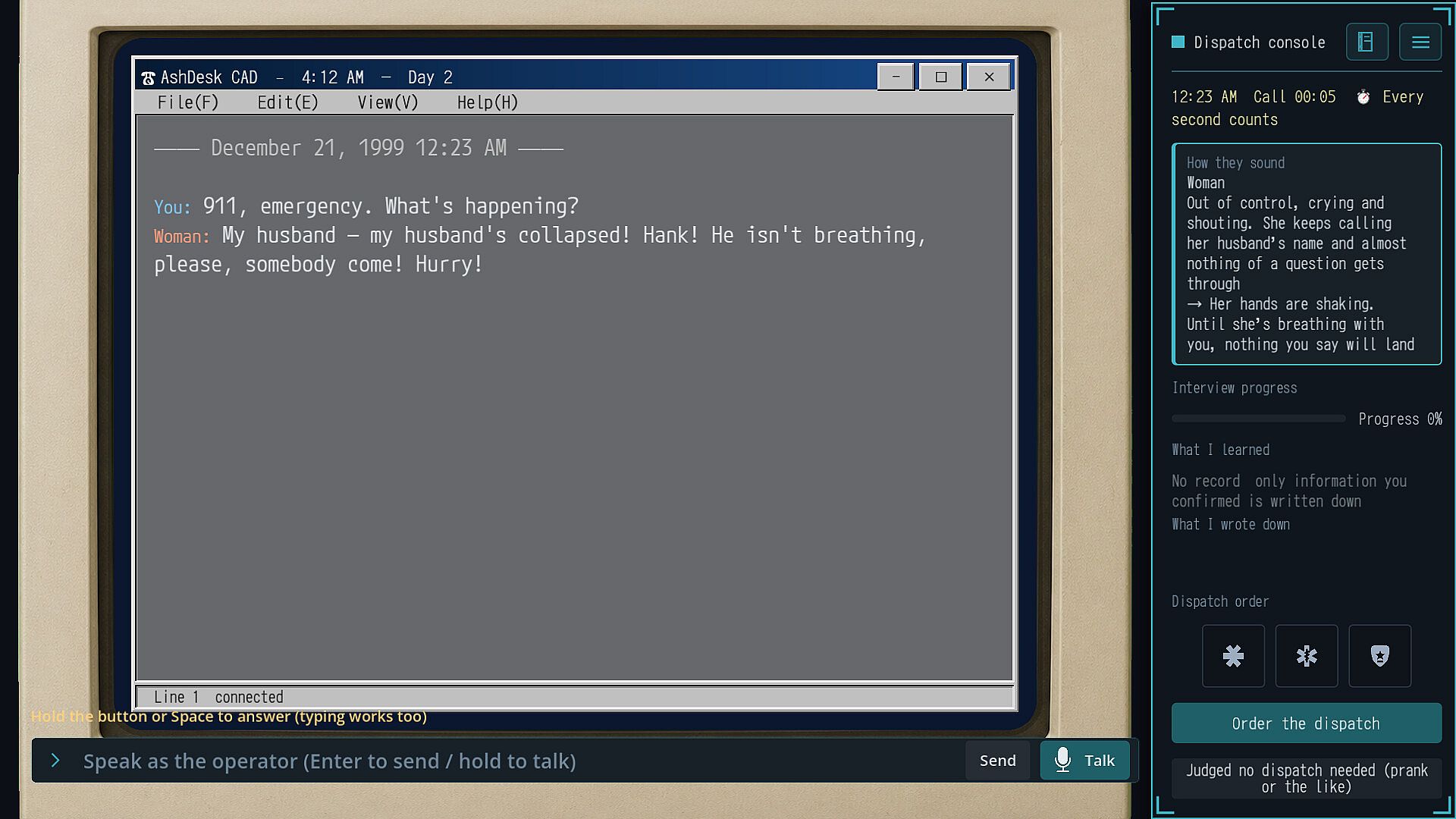
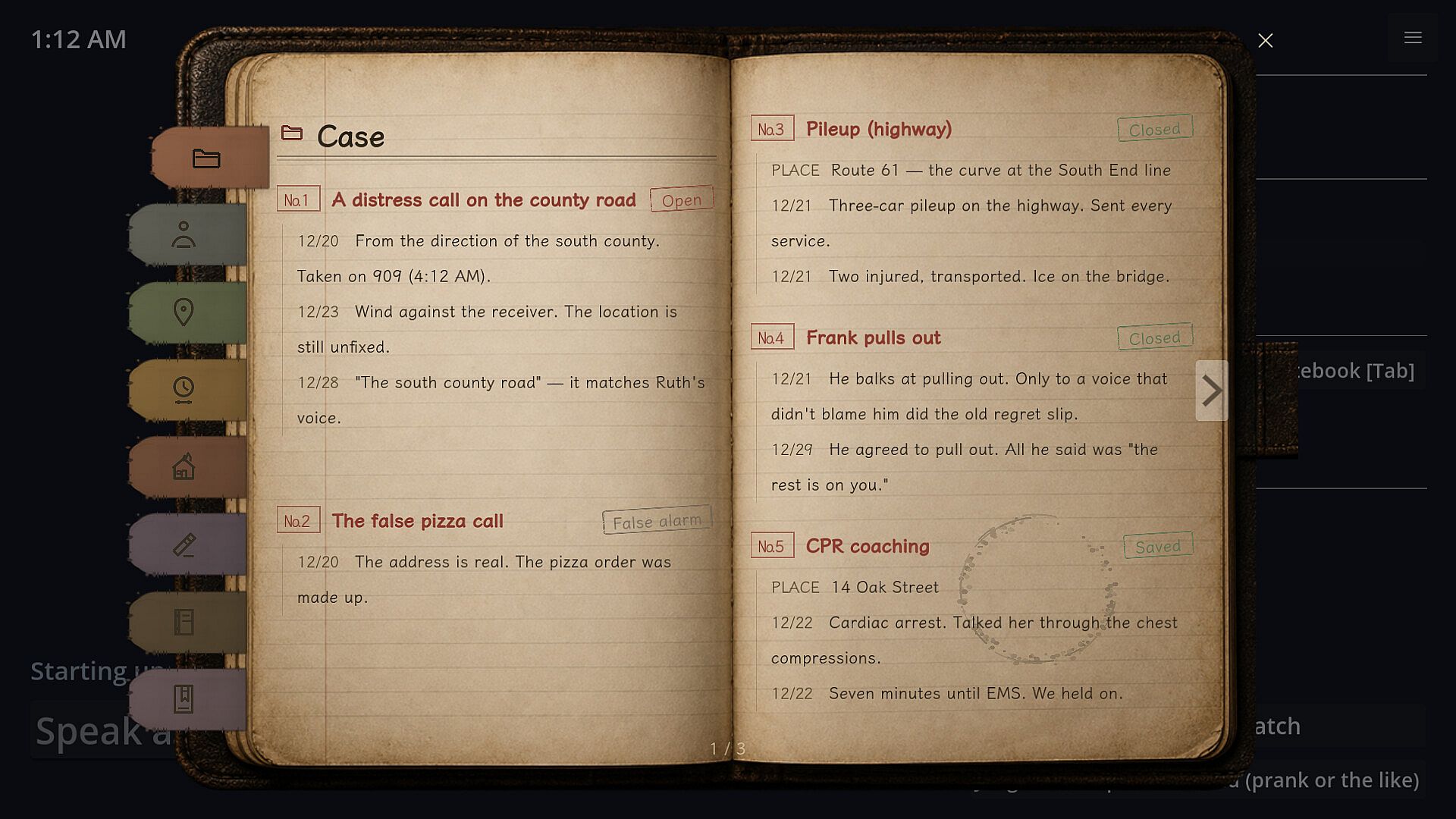
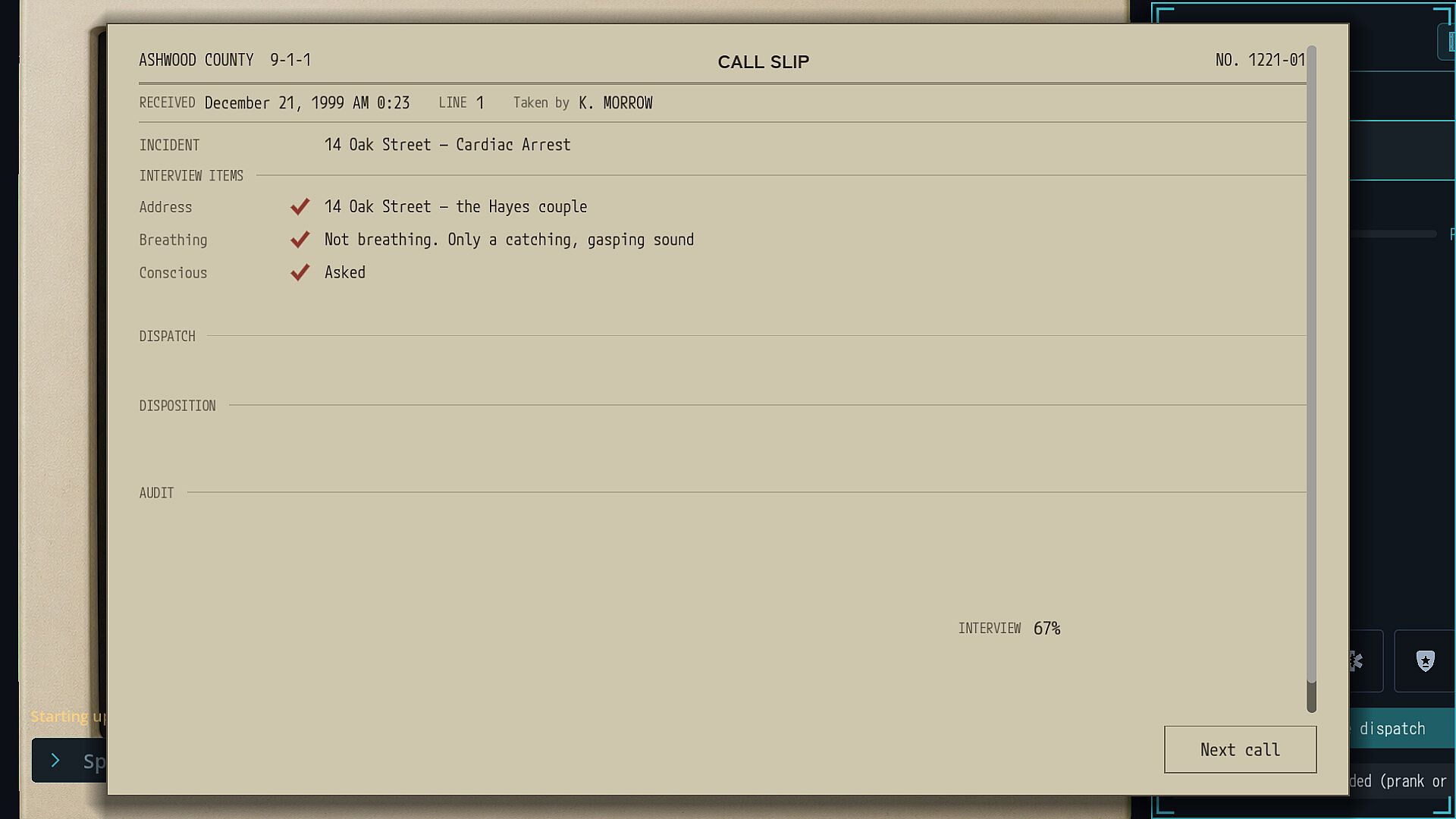
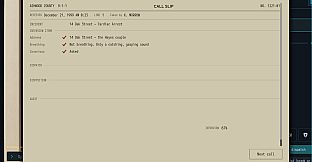
Players sit at a dispatch desk equipped with period-appropriate tools such as CRT monitors and paper call sheets. The core loop involves listening to incoming calls, responding through a microphone, and choosing how to advise or direct resources like fire, EMS, or police units. A local AI system handles every character in real time, allowing natural conversation without scripted dialogue trees. All processing stays fully offline, keeping voice data on the machine. Calls range from urgent medical guidance to routine town issues, and each interaction can shift based on tone, information provided, or actions taken. Past choices influence future calls, local events, and survivor status, creating a reactive narrative that unfolds over twelve nights.
Game Modes
The game operates as a single continuous campaign without separate modes. Players progress through a fixed sequence of nights, managing a mix of story-driven calls and additional incidents drawn from a larger pool. Branching occurs naturally through handling choices, leading to varied call sequences and consequences rather than distinct game types or multiplayer options.
Narrative and Setting
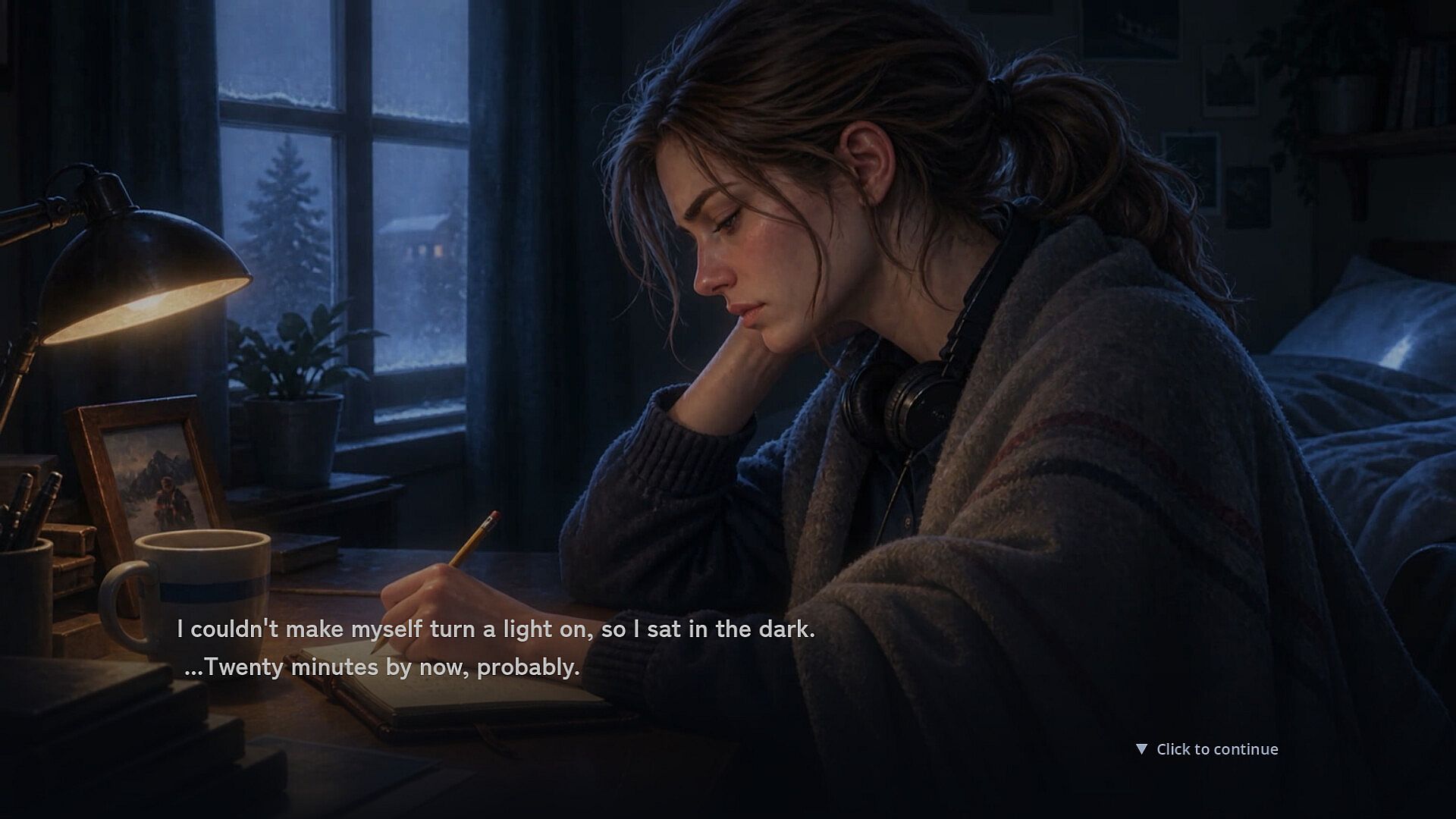
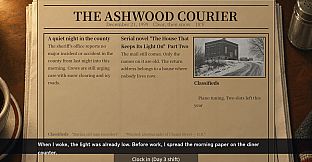
The story unfolds in Ashwood, Pennsylvania, a town marked by an underground coal seam fire burning since 1962. The operator, Kate Morrow, confronts a recurring call at 4:12 AM from an address that no longer exists and a voice tied to a disappearance from fifteen years earlier. Over the course of the experience, routine emergencies intersect with deeper town secrets dating back to earlier decades. The setting emphasizes the quiet tension of late-night shifts in the pre-Y2K era, with handwritten notes and analog equipment reinforcing the atmosphere.
Is It Worth Playing?
This title suits players who enjoy narrative-driven simulations focused on decision-making and voice interaction rather than action or combat. The branching structure supports multiple playthroughs, with nine distinct endings tied to cumulative choices across the twelve nights. Those drawn to atmospheric storytelling and realistic emergency response mechanics will find the offline AI system and call variety engaging. Availability is limited to PC, and the experience stands alone without additional content or seasonal updates confirmed at this time. It delivers a focused, introspective session for fans of indie adventures centered on consequence and conversation.