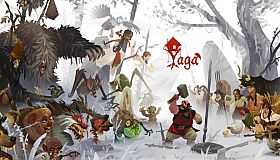







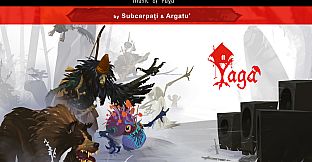
Yaga is an action role-playing game set in a world drawn from Slavic folklore. Players take on the role of Ivan, a one-handed blacksmith plagued by bad luck, who receives impossible tasks from the tzar while the witch Baba Yaga observes his path. The experience blends combat, crafting, and choice-driven progression across procedurally generated areas filled with mythological creatures and village interactions.
Gameplay
Combat revolves around a hammer that serves both melee and ranged functions through throws that return like a boomerang. Stamina governs dodges and tool use, while willpower acts as health that can be restored through items or village visits. Bad luck accumulates from magic item use, curses, or story choices, leading to weapon breaks, dropped currency, or reduced crafting efficiency, though it also speeds experience gain and unlocks certain perks.
Crafting forms a core loop. Ivan forges weapons at an anvil using ores, enchantments, and blessings, with each creation acting as a consumable item limited by durability. Prosthetic tools unlocked through progression add abilities such as grappling, digging for evasion, or area attacks. Talismans, magic consumables, and personality traits developed through dialogue choices further alter combat effectiveness and story outcomes. Reputation with villagers influences available quests, trading options, and blessings or curses that reshape future runs.
Exploration occurs in biome-based maps that reset with each tale. Players complete main quests and side tasks by gathering items, negotiating with characters, or fighting through enemy groups that seal areas until cleared. Experience from completed runs grants perk selections that persist across attempts, encouraging repeated play to test different builds and paths.
Game Modes
Story Mode provides a standard experience with checkpoints and the ability to continue after willpower reaches zero by sacrificing items. Hardcore Mode removes this safety net, making death permanent and increasing the stakes for each decision and combat encounter. Both modes feature the same core systems of procedural maps, quest progression, and crafting, but differ in risk and replay structure.
Runs emphasize choice at every stage. Conversations steer Ivan's personality traits, which in turn affect bad luck levels and available upgrades. Multiple solutions exist for encounters, from direct confrontation to deals or evasion, leading to varied endings and village developments over successive tales.
Story and Setting
The narrative draws directly from Slavic myths and pagan traditions, placing Ivan in a rural world of forests, farms, swamps, and winter landscapes populated by legendary beings. Village life serves as the hub between runs, where interactions with residents, including family members, shape reputation and unlock new opportunities or complications. Baba Yaga's presence adds an overarching layer of fate and observation without direct control over player actions.
Procedural generation ensures no two tales unfold identically, with random encounters, item placements, and enemy placements altering strategies. Hidden secrets and alternative quest resolutions reward thorough exploration and experimentation with different personality paths.
Soundtrack
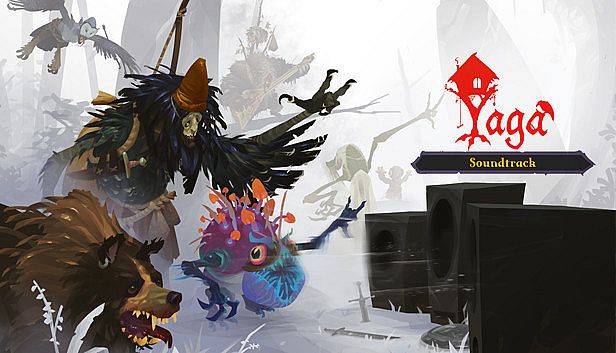
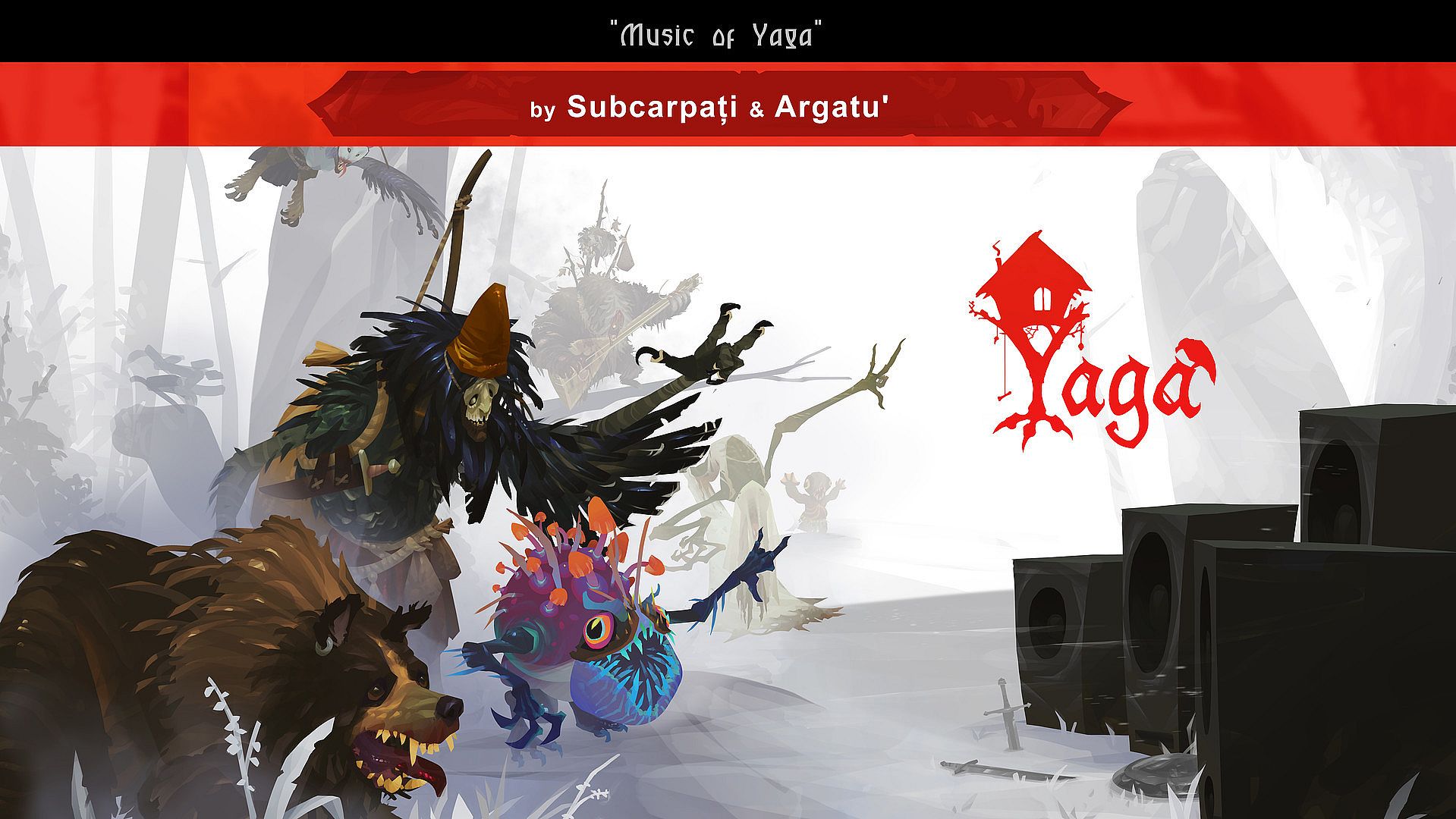
The audio stands out through its blend of hip-hop rhythms and Romanian folk elements. The full release contains 28 in-game tracks alongside their original album versions from the contributing artists, resulting in over three hours of music. Themes shift across village life, combat intensity, boss encounters, and specific biomes, reinforcing the cultural atmosphere without overpowering the action.
Is It Worth Playing?
Yaga suits players who enjoy single-player action role-playing games with roguelike elements, deep crafting, and meaningful choices that affect both combat and narrative. The procedural structure and bad luck mechanics create tension and variety across multiple runs, while the forging system offers substantial customization for different play styles.
Reception on Steam has remained very positive, with the majority of reviews highlighting the satisfying combat loop, distinctive art direction, and replay value from varied outcomes. The game launched with free updates that added modes, fast travel, and quality improvements, followed by the Roots of Evil expansion that introduced new story content and characters. Those drawn to folklore-inspired settings and systems that reward experimentation will find consistent engagement, particularly if they appreciate shorter, repeatable sessions over lengthy linear campaigns.