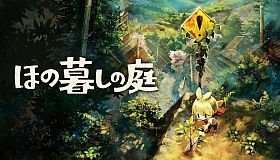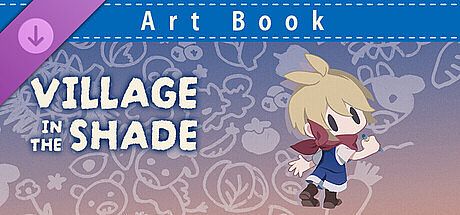




Village in the Shade is a simulation and adventure game set on PC that places players in the role of a newcomer adjusting to life in the remote Japanese mountain village of Kagatsu. The experience centers on building a homestead, managing daily routines, and engaging with the local community while respecting a handful of strict guidelines that shape how the days unfold.
Gameplay
The core loop revolves around tending crops in the fields, gathering resources from the surrounding area, and gradually improving the homestead through crafting and decoration. Players water plants, harvest produce, care for livestock, and use gathered materials to build fences or other practical items. A stamina system governs how much activity fits into each day, encouraging careful planning around tool use and rest.
Exploration extends beyond the farm to nearby fishing spots, wooded trails, and a mine where players dig for ores and other supplies needed for upgrades. Tools improve over time, allowing more efficient work such as covering larger areas with a single action. Social interactions form another key part of the routine, as players visit shops, share meals with neighbors, and learn more about the village through casual conversations.
Daytime activities emphasize steady progress and quiet moments like relaxing by the brook or watching seasonal changes. The hand-painted style brings the environments and characters to life with layered details that reward close attention, from the textures of wooden structures to the varied foliage around the fields.
Game Modes
The standard mode weaves in periods of unease tied directly to the village rules. Breaking guidelines such as avoiding strangers, staying within the village bounds, or remaining indoors after dark can shift the atmosphere and introduce unexpected encounters that heighten tension without relying on traditional jump scares.
A separate peaceful mode removes these elements entirely, locking players into a consistent routine focused solely on farming, crafting, fishing, and community life. This option ensures the experience stays centered on relaxation and steady advancement regardless of player preference for lighter or more atmospheric play.
Visuals and Atmosphere
The hand-painted presentation stands out for its consistent quality across characters, animals, and the broader landscape. Environmental details capture the changing light and seasonal shifts in the mountain setting, while character designs convey personality through subtle expressions and clothing variations. An accompanying artbook collects these elements across 31 pages, offering bios, animal studies, and wide views of key locations that highlight the care put into every brushstroke.
This visual approach supports the game's blend of everyday tasks and underlying tension, creating a setting that feels lived-in during the day yet carries a different weight once the sun sets. The style avoids exaggeration, instead favoring realistic proportions and natural color palettes that enhance immersion in the rural environment.
Is It Worth Playing?
Player reception has been strong, with the game earning Very Positive reviews on its Steam page shortly after launch. Sales in Japan exceeded 200,000 units within the first month, reflecting broad appeal among those drawn to life simulation titles with added depth. The presence of a dedicated peaceful mode broadens accessibility for players who prefer uninterrupted focus on farming and customization.
Those who enjoy methodical progression, resource management, and gradual story discovery through village interactions will find a satisfying loop here. The option to adjust the intensity of atmospheric elements allows the game to suit both fans of pure cozy simulation and those open to a measured sense of mystery. Availability on PC supports straightforward access for anyone interested in this style of rural life sim.