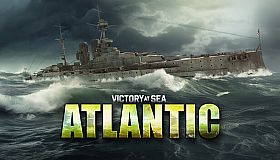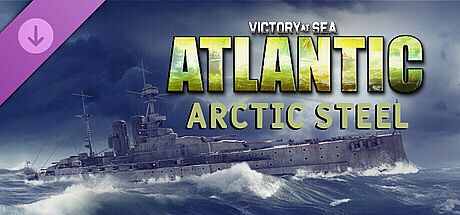



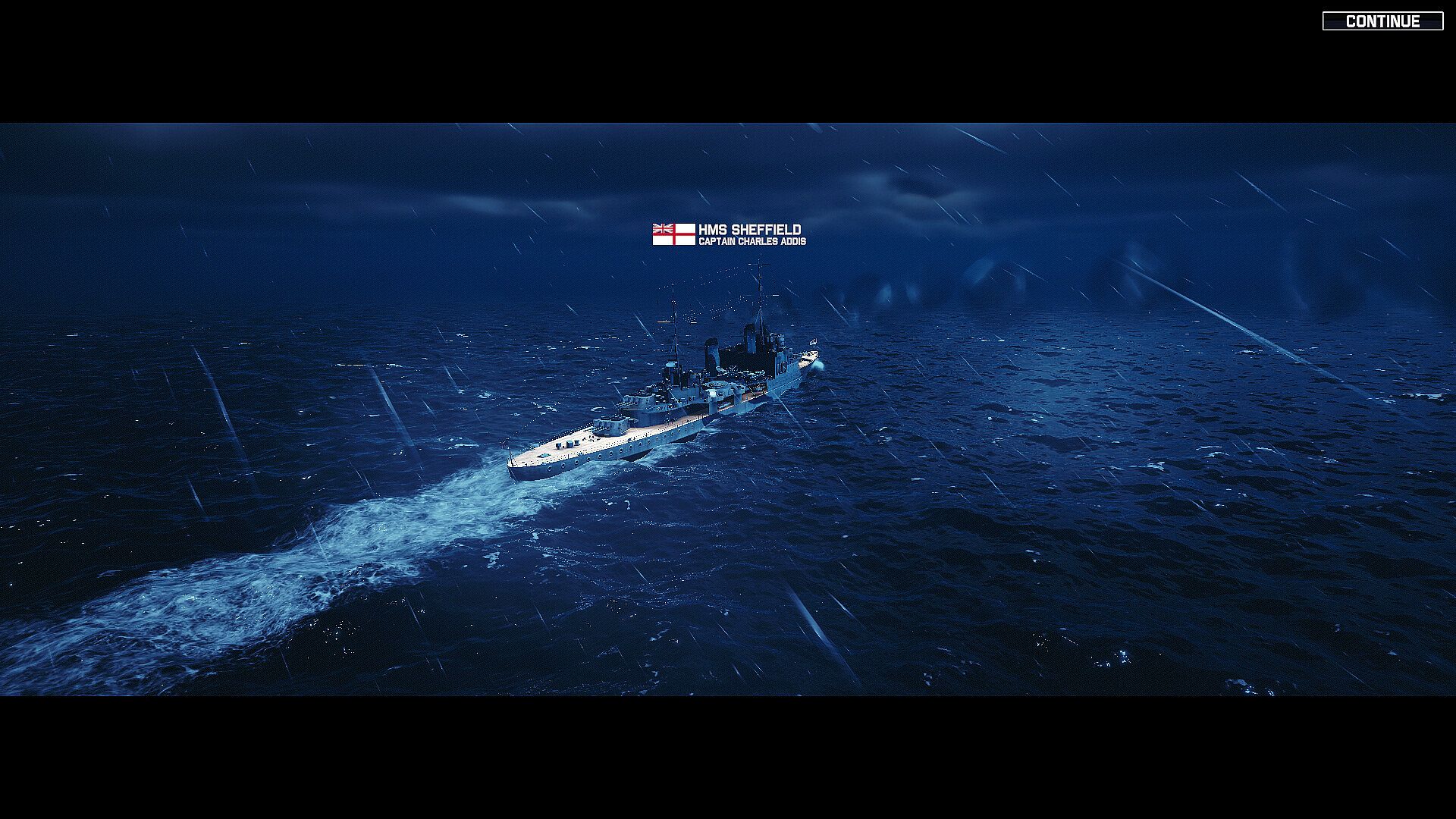
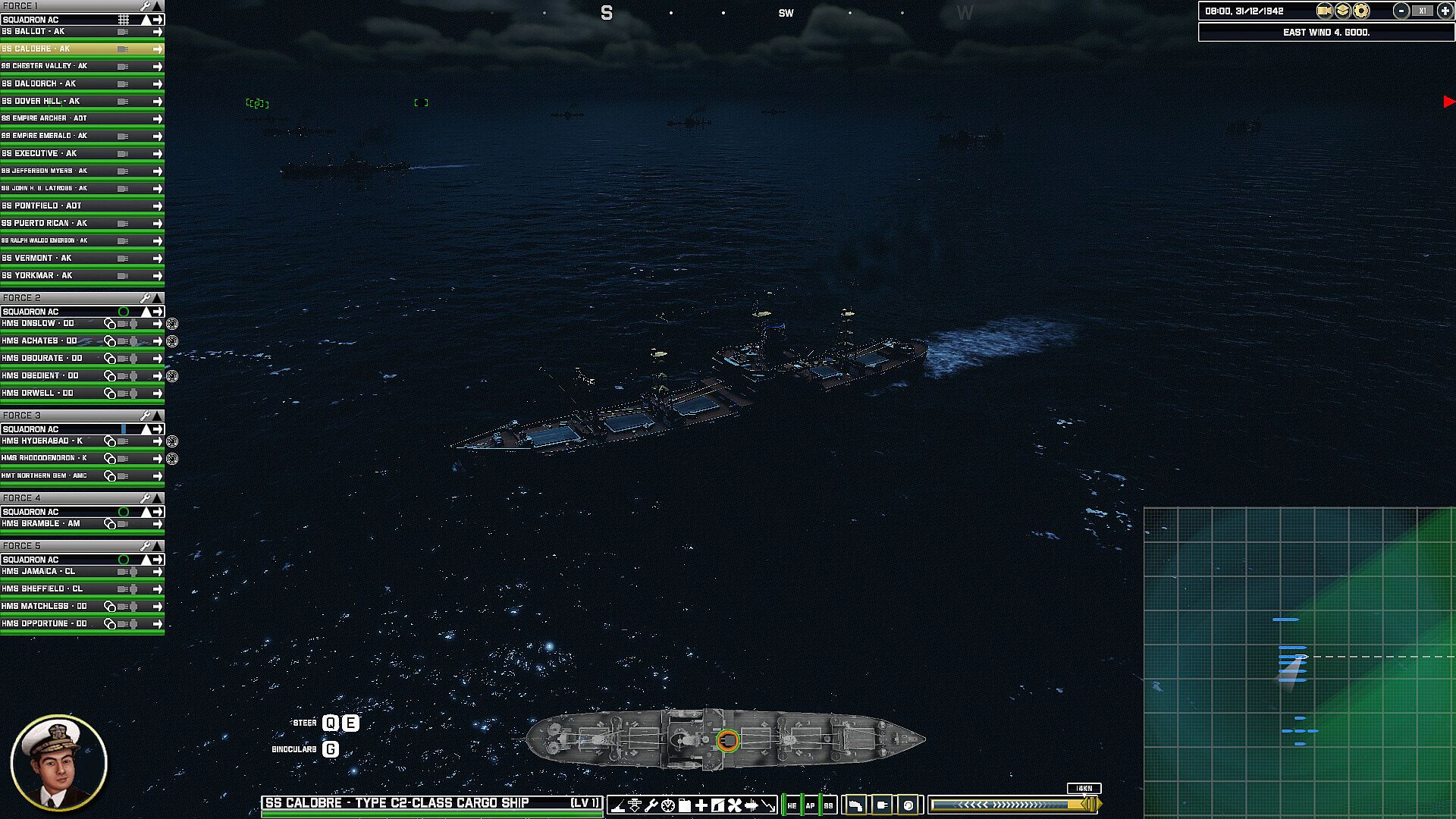
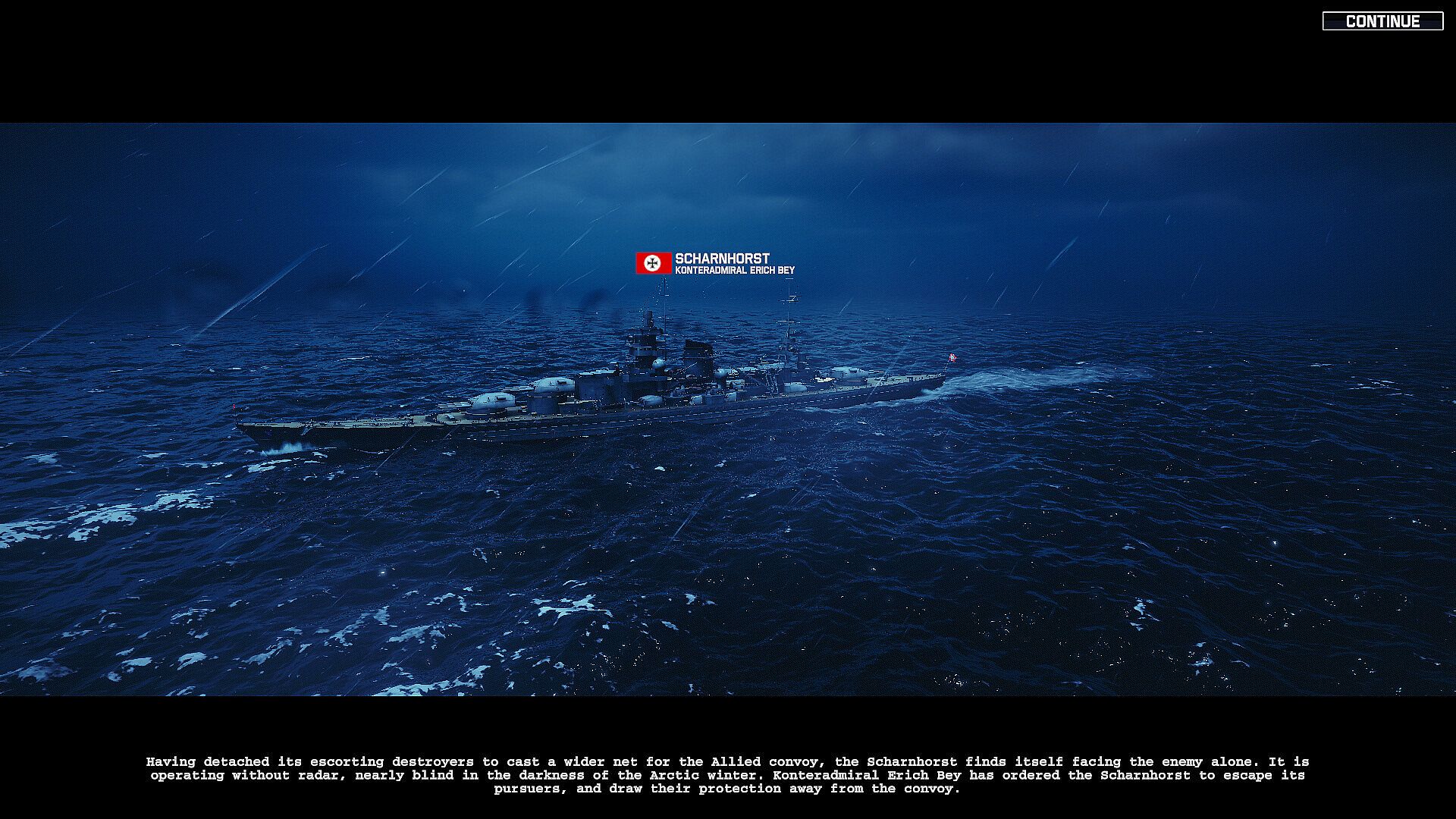
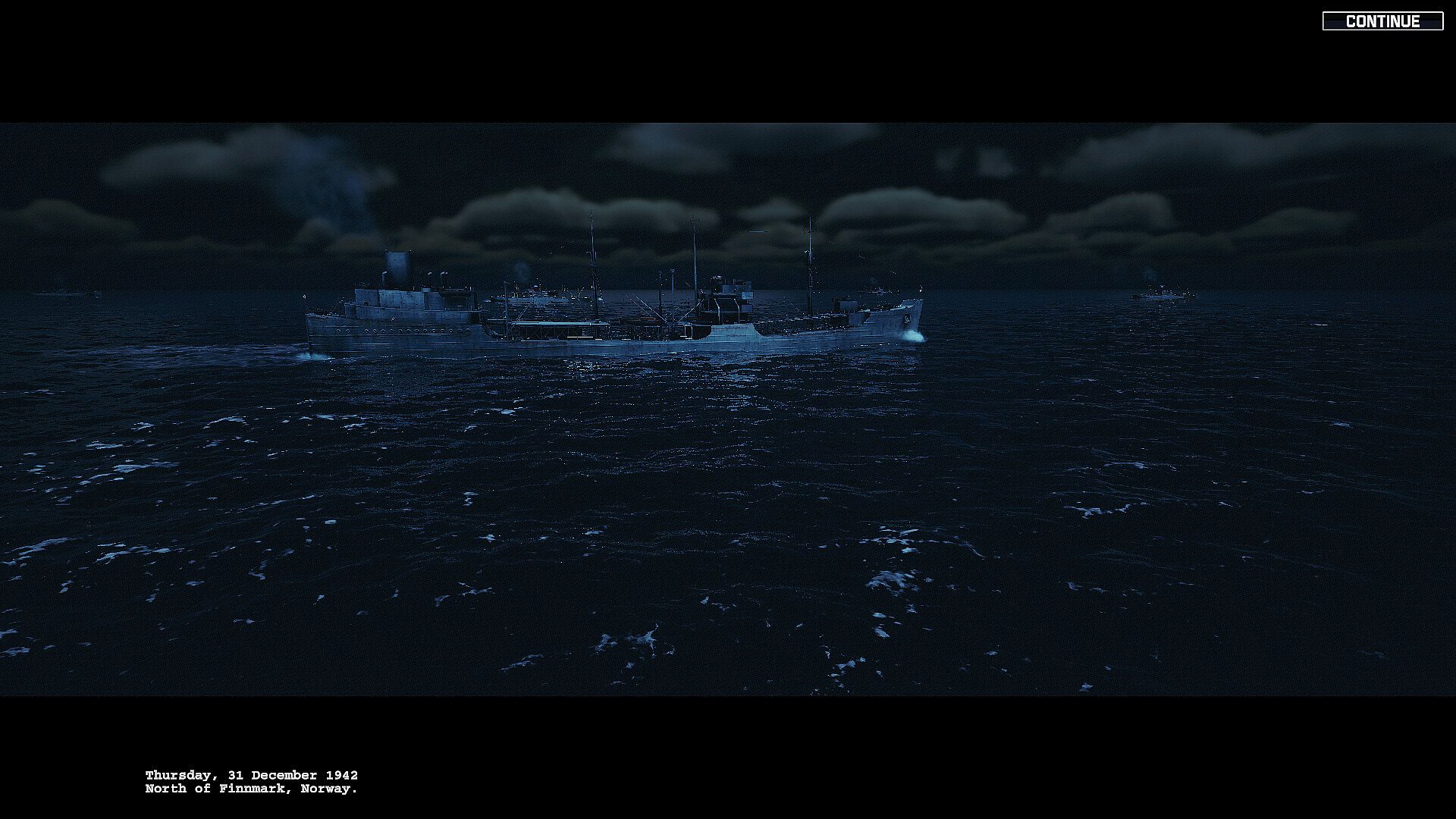
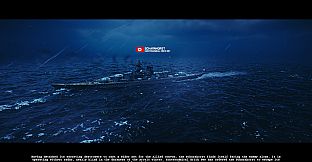
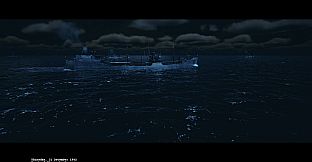
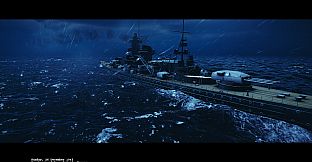
Victory At Sea Atlantic is a real-time strategy naval warfare simulation set during the Second World War in the Atlantic theater. Scenario Pack 1 Arctic Steel serves as a dedicated expansion that adds four specific historical naval engagements focused on the Arctic convoy routes along with a selection of new and upgraded Royal Navy ship classes complete with dedicated 3D models.
Gameplay
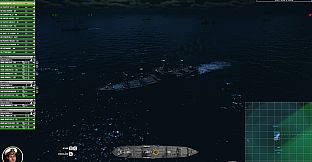
The core loop centers on commanding fleets of warships, submarines, and aircraft in real-time battles while making tactical choices about positioning, engagement ranges, and resource allocation. Players direct individual vessels or entire task forces through open ocean maps that include weather effects and variable visibility. In the broader campaign structure, decisions extend beyond direct combat to include territory management, supply line protection, and intelligence operations against opposing forces. The Arctic Steel pack integrates directly into these systems by providing purpose-built vessels that replace earlier placeholder models for several destroyer and cruiser classes, ensuring visual accuracy matches the historical names assigned to each unit.
Combat emphasizes careful selection of ship types and formations because different classes excel at anti-aircraft defense, torpedo attacks, or long-range gunnery. New additions such as Halcyon-class minesweepers and Northern Gem ASW trawlers introduce specialized roles suited to convoy protection duties common in northern waters. All added classes become available for use in ongoing campaigns once the pack is installed, expanding fleet composition options without altering the underlying command mechanics.
Game Modes
Three primary modes structure play. Historical Battles present scripted encounters drawn from documented events, allowing players to recreate or alter outcomes of specific clashes. Point Battle offers flexible skirmish-style engagements where fleets are assembled from available classes to meet point-value limits. The Campaign mode functions as an open sandbox in which players manage fleets across the Atlantic theater, balancing offensive operations with defensive requirements for merchant shipping.
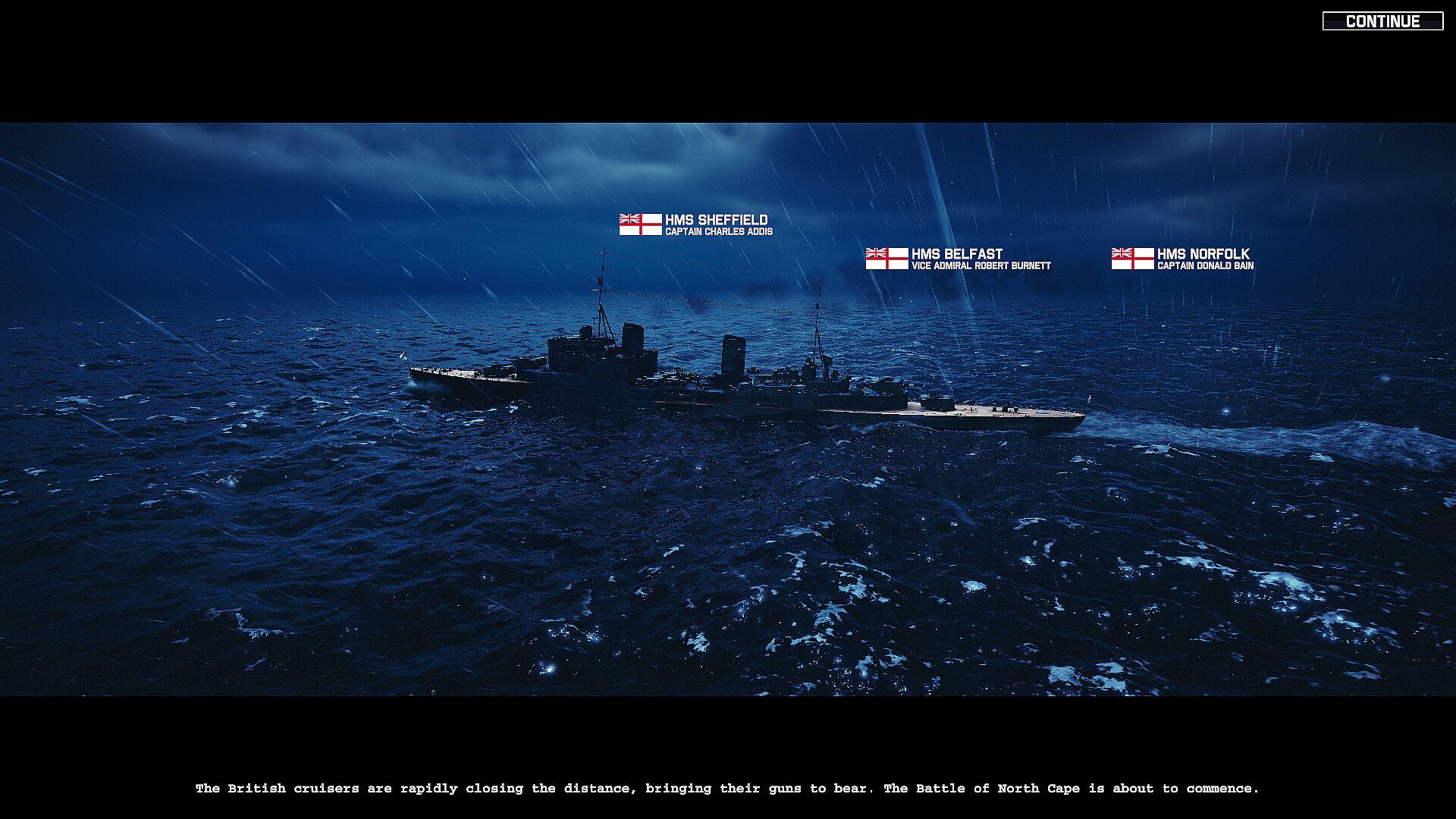
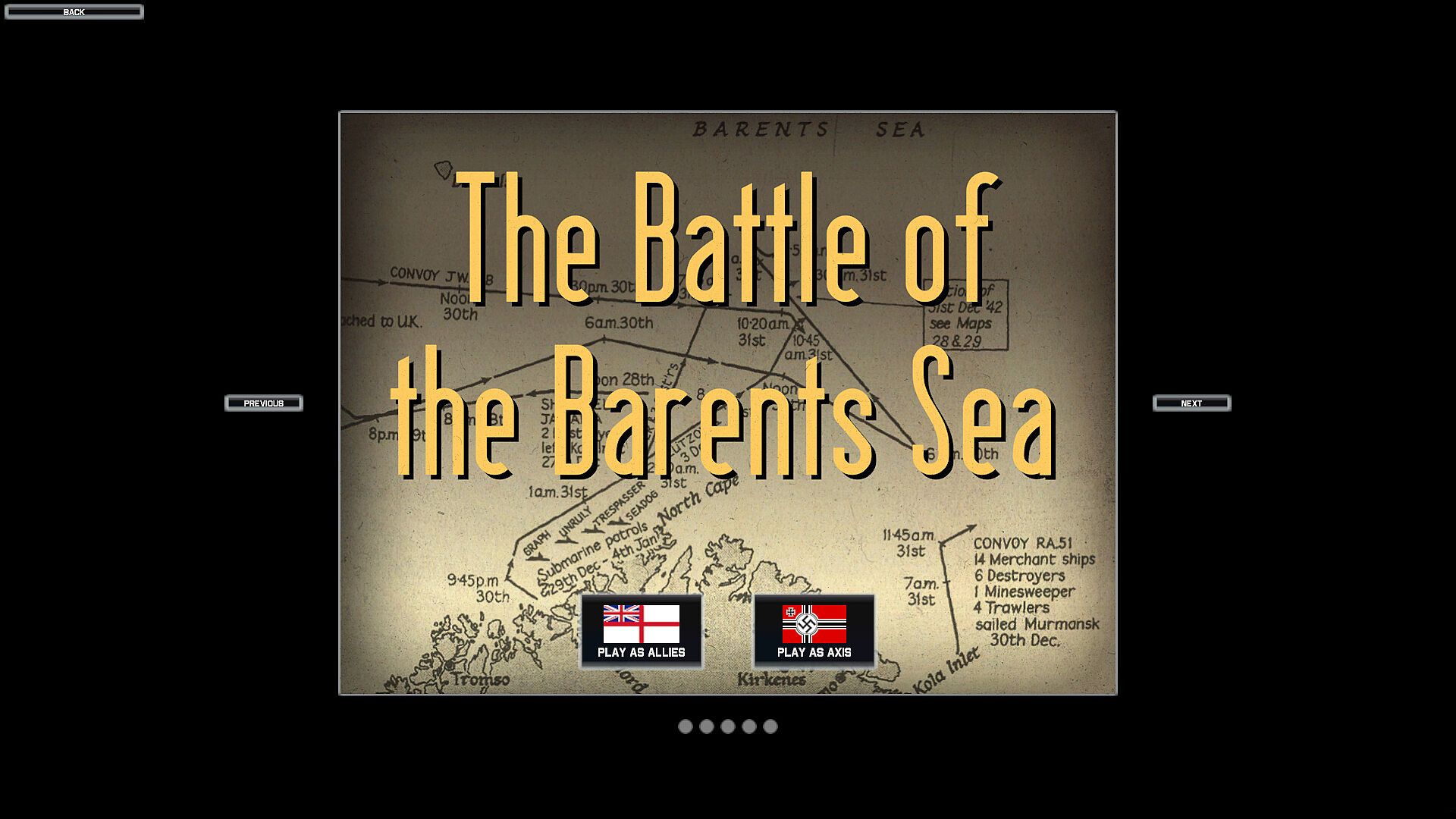
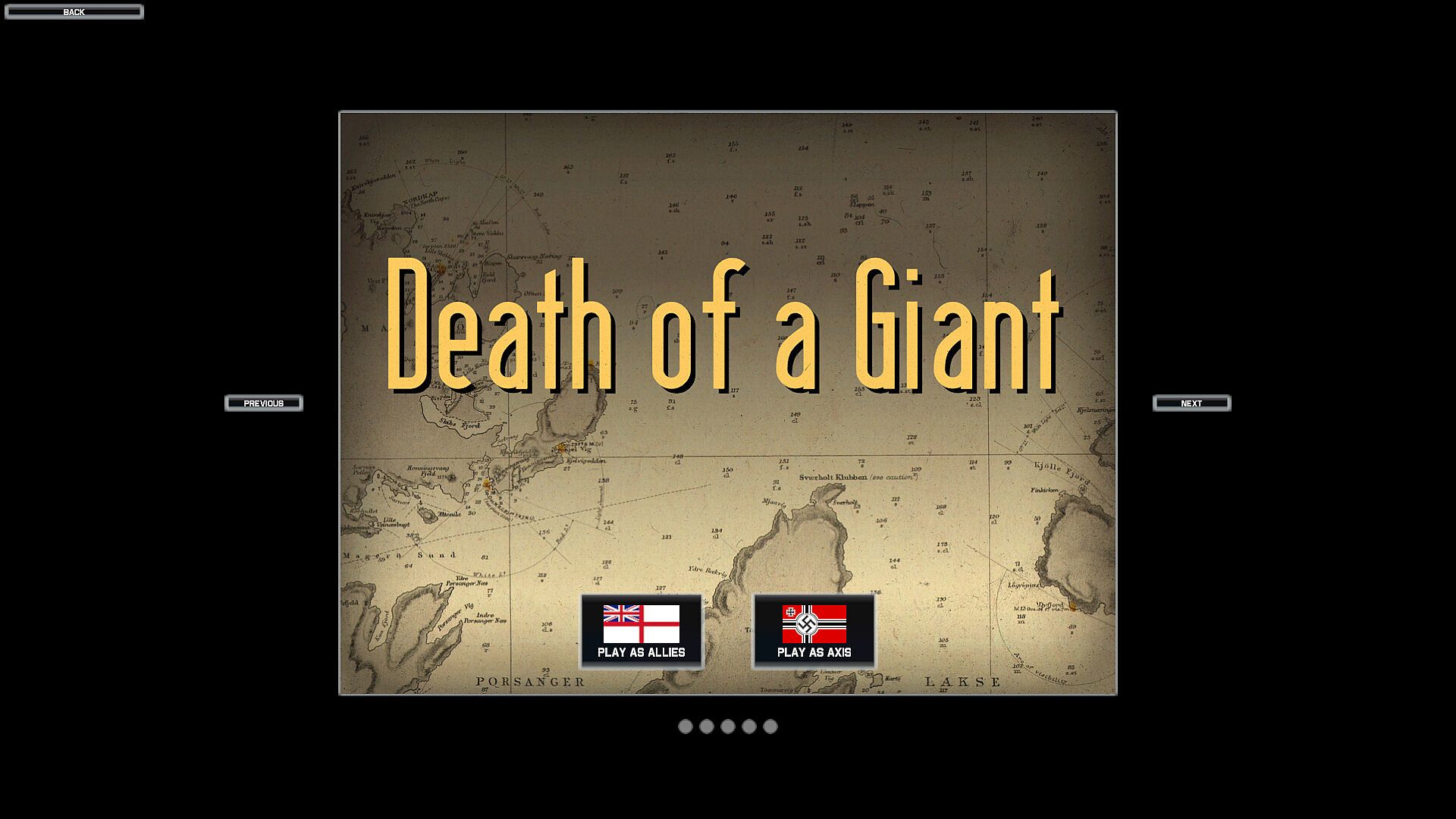
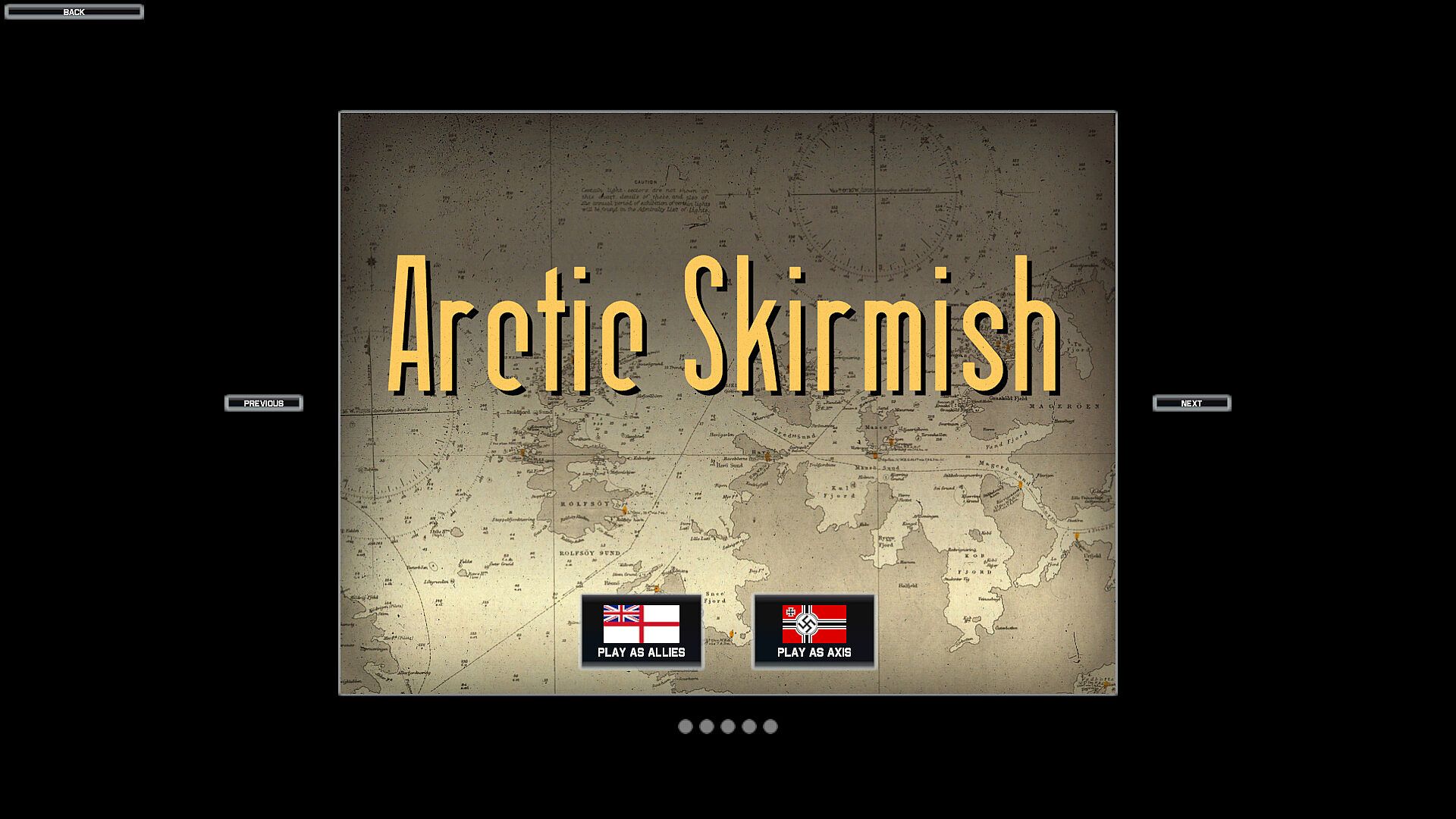
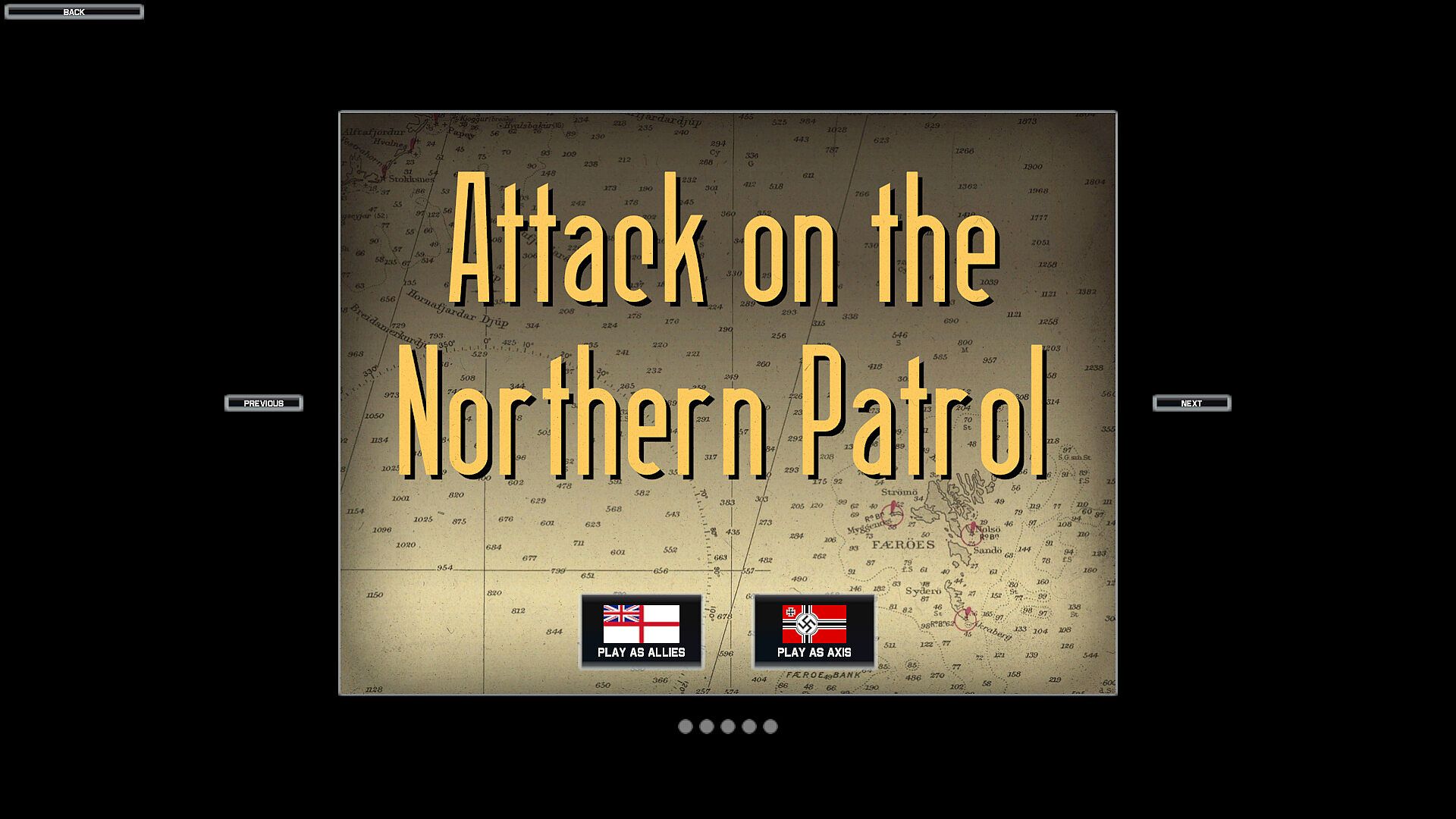
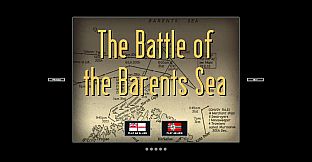
The four scenarios included in Arctic Steel fit within the Historical Battles framework. Northern Patrol recreates the November 1939 encounter involving HMS Rawalpindi against German capital ships. Battle of the Barents Sea places the player in defense of convoy JW 51B against the heavy cruiser Admiral Hipper. Arctic Skirmish covers the initial interception of Scharnhorst by British cruisers in December 1943, while Death of a Giant depicts the final fleet action that sank the same vessel off North Cape later that month. Each scenario supplies fixed starting forces and objectives tied to the historical context.
Historical Scenarios
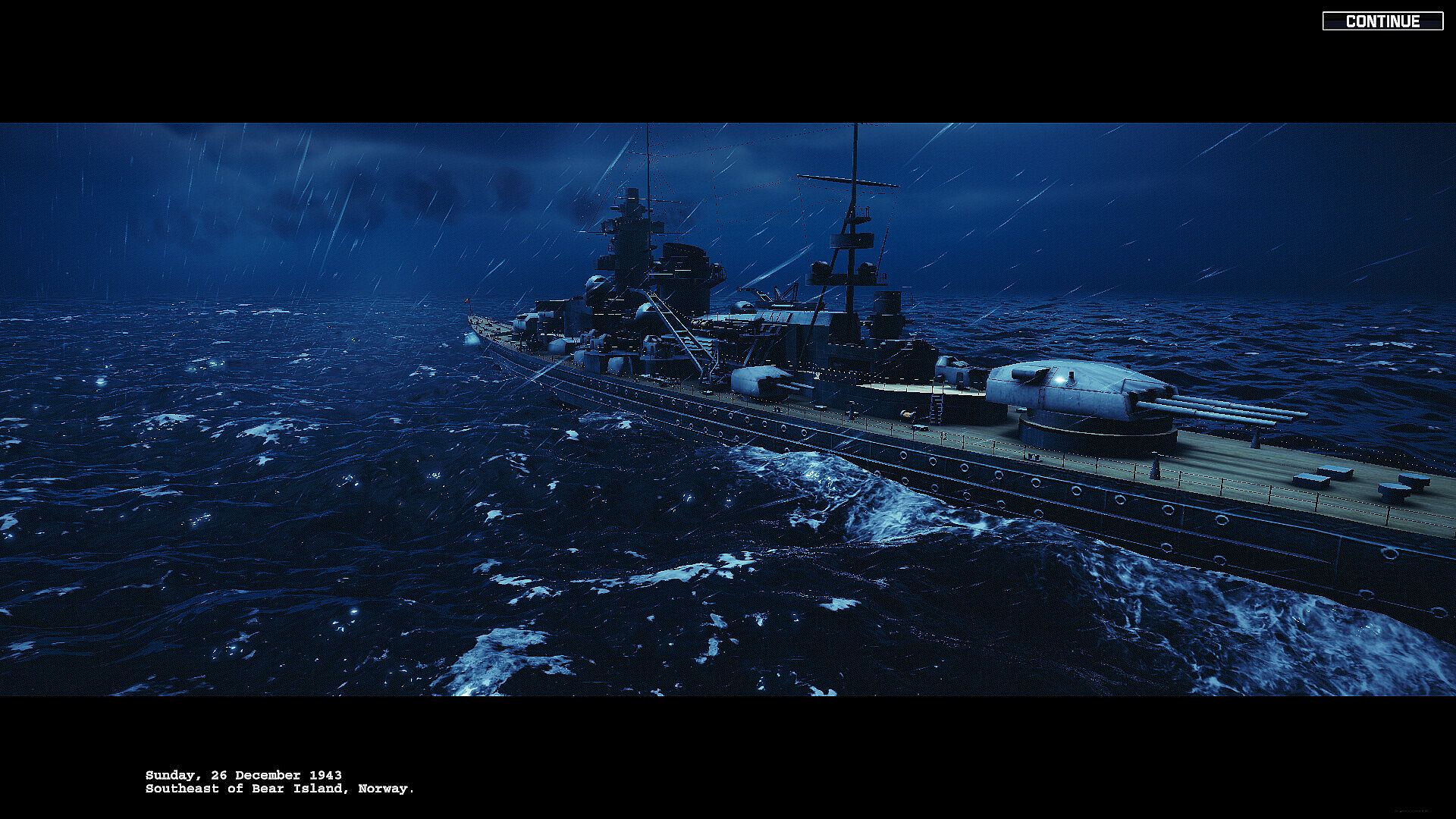
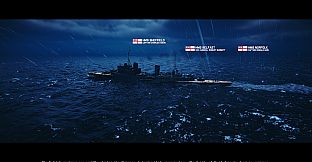
Northern Patrol begins with the armed merchant cruiser HMS Rawalpindi facing superior German firepower from Scharnhorst and Gneisenau, requiring players to maximize limited armament and positioning. Battle of the Barents Sea tasks the defender with screening a convoy against a stronger surface group, where destroyer and corvette screens must delay heavier units long enough for merchant vessels to escape. Arctic Skirmish and Death of a Giant together form a two-part sequence centered on the pursuit and destruction of Scharnhorst, with the first scenario establishing contact in poor weather and the second requiring coordinated attacks from multiple directions including battleship support.
These encounters highlight the challenges of Arctic operations, including limited daylight, rough seas, and the need to protect slow-moving convoys against fast raiders. Success depends on accurate use of radar-equipped vessels and timely deployment of escorts rather than raw firepower alone.
New Ship Classes and Models
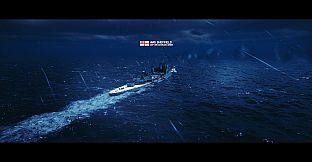
Arctic Steel introduces several Royal Navy classes previously absent from the game. A and B-class destroyers, Fiji-class light cruisers, Town-class cruisers in Belfast and Sheffield configurations, Halcyon-class minesweepers, and Northern Gem ASW trawlers appear with new models. Existing O and P, L and M, S and T, and U and V-class destroyers plus the Town Southampton cruiser receive upgraded dedicated meshes that replace generic stand-ins. HMS Rawalpindi also receives its own representation. These vessels integrate into the full roster for sandbox play and can be selected in any mode once unlocked through the base game progression.
Is It Worth Playing?
The base game maintains regular updates that include balance adjustments and new features such as expanded modding support. Player feedback describes solid potential in the naval combat systems alongside criticism that some strategic layers feel underdeveloped. Reception sits in the mixed range, with positive comments focused on the historical ship roster and real-time tactics while noting that combat can appear straightforward on lower difficulty settings.
Arctic Steel appeals most to players already invested in Victory At Sea Atlantic who seek additional historical content and improved visual fidelity for British surface units. Those interested in recreating specific Arctic convoy actions or expanding their available destroyer and cruiser options will find the pack adds targeted value. Newcomers should first evaluate the base game campaign and skirmish modes to determine whether the overall pace and depth match their preferences before adding scenario packs.