

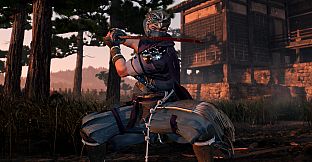
Rise of the Ronin is an open-world action RPG set during Japan's Bakumatsu period in the mid-19th century. Players take on the role of a customizable ronin navigating political upheaval, forming alliances, and engaging in fast-paced melee combat across historical locations like Yokohama, Edo, and Kyoto.
Gameplay
Combat forms the core loop, emphasizing timing, positioning, and switching between multiple fighting styles mid-battle to counter different enemy types. Weapons range from katanas and spears to odachi and period firearms, each supporting varied approaches that reward mastery of parries and stance changes. The system draws from the developer's experience with similar action titles, delivering accessible yet layered encounters that scale with player skill.
Exploration takes place in a large open world where traversal options include horseback riding, grappling hooks, and gliders to reach new areas and objectives. Side activities build regional bonds and karma, which feed into skill trees for attributes like strength and dexterity. Stealth plays a supporting role but remains secondary to direct confrontation due to enemy awareness patterns.
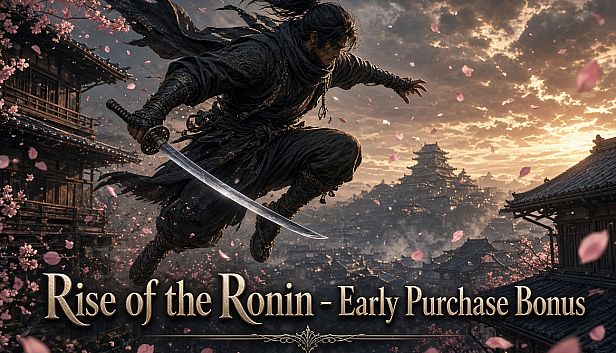
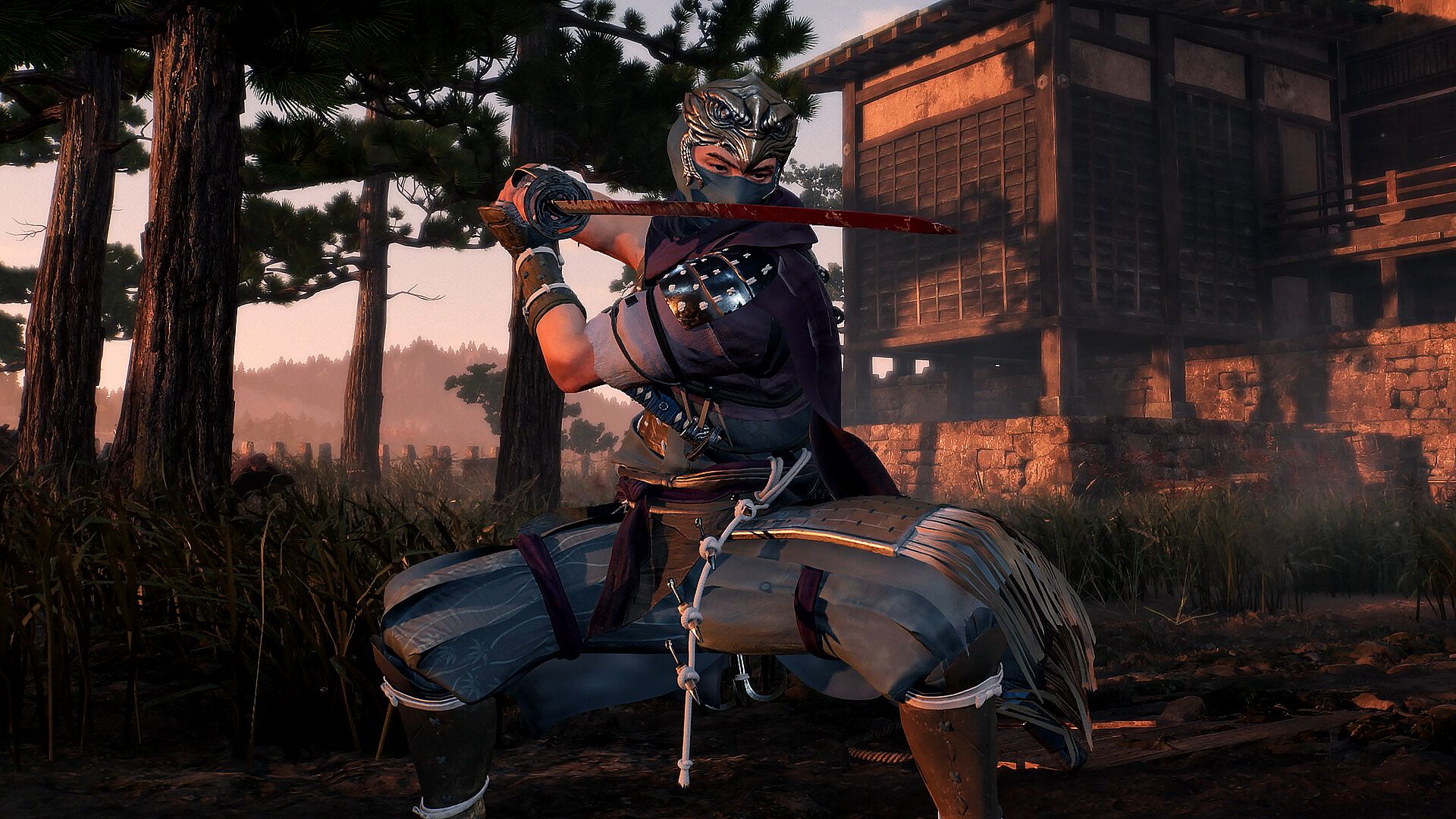
Character progression ties closely to a bond system. Completing missions and interacting with NPCs strengthens relationships, unlocking personal stories and influencing available paths. The early purchase bonus grants immediate access to the Iga Ninja's Katana, a four-piece Iga Ninja armor set, and four specific combat styles: Hayabusa-ryu for katana, Hayabusa-ryu for naginata, Nioh-ryu for katana, and Aisu Kage-ryu for katana. These additions integrate directly into the existing weapon and stance framework without altering core mechanics.
Game Modes
The experience centers on single-player story progression through main missions and optional side content. Many missions support online co-op for up to three players total, allowing friends to join as allies in a drop-in, drop-out format. Co-op remains mission-specific rather than offering a shared persistent world, and no player-versus-player options exist.
Difficulty can be adjusted at any time across three settings to suit different playstyles, from more forgiving options that ease recovery and resource use to stricter challenges. This flexibility supports both solo runs and group sessions without locking players into one approach.
Story and Factions
Choices shape the narrative through a multi-ending structure. Players encounter historical figures and align with factions such as the anti-shogunate group, pro-shogunate forces, or Western influences. Decisions during key missions, including whether to protect or oppose certain individuals, alter alliances, available quests, and the overall outcome. The Veiled Edge organization and bond mechanics add personal stakes, as relationships evolve based on actions taken throughout the Bakumatsu-era setting.
Is It Worth Playing?
Players who enjoy challenging, stance-based combat and historical settings with meaningful choices will find substantial depth here. The combat loop and faction-driven story provide strong replay value through different alliance paths and bond outcomes. On PC, the version includes enhancements like ultrawide support, higher frame rates, and upscaling technologies, though performance varies and has prompted multiple patches since launch. Reception on Steam sits in the mixed range, reflecting technical inconsistencies alongside praise for the action and narrative elements. Those prioritizing precise melee gameplay and open-world freedom in a ronin context stand to gain the most from the full experience, especially with the included early bonus items enhancing starting options.