


Overwatch ofrece acción en equipo centrada en enfrentamientos 5v5 donde cada jugador elige entre un amplio plantel de héroes con habilidades, armas y habilidades definitivas propias. Las partidas giran en torno a la coordinación para cumplir objetivos y contrarrestar las estrategias rivales mediante la selección de roles: tanques, daño y apoyo. El ciclo principal se basa en el posicionamiento, el uso oportuno de habilidades y la adaptación a la configuración de cada mapa, con héroes que ofrecen estilos de juego muy distintos que recompensan tanto la destreza mecánica como el trabajo en equipo.
Gameplay
El combate se desarrolla mediante el uso de habilidades y la carga de definitivas que cambian el equilibrio en tiempo real. Los jugadores gestionan tiempos de reutilización, recursos y mecánicas específicas de cada héroe mientras se mueven por mapas con distintos niveles y zonas de cobertura. La opción de cola por rol separa tanques, daño y apoyo para formar equipos equilibrados, mientras que la cola abierta permite selecciones más flexibles. Las últimas actualizaciones han añadido pasivas de sub-rol que ajustan aún más cada héroe a su estilo de combate, aumentando la profundidad estratégica sin modificar el ritmo rápido de las partidas.
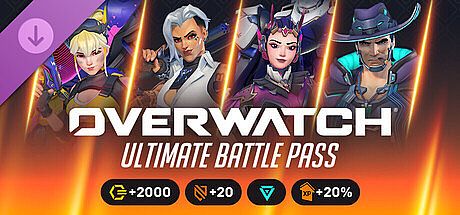
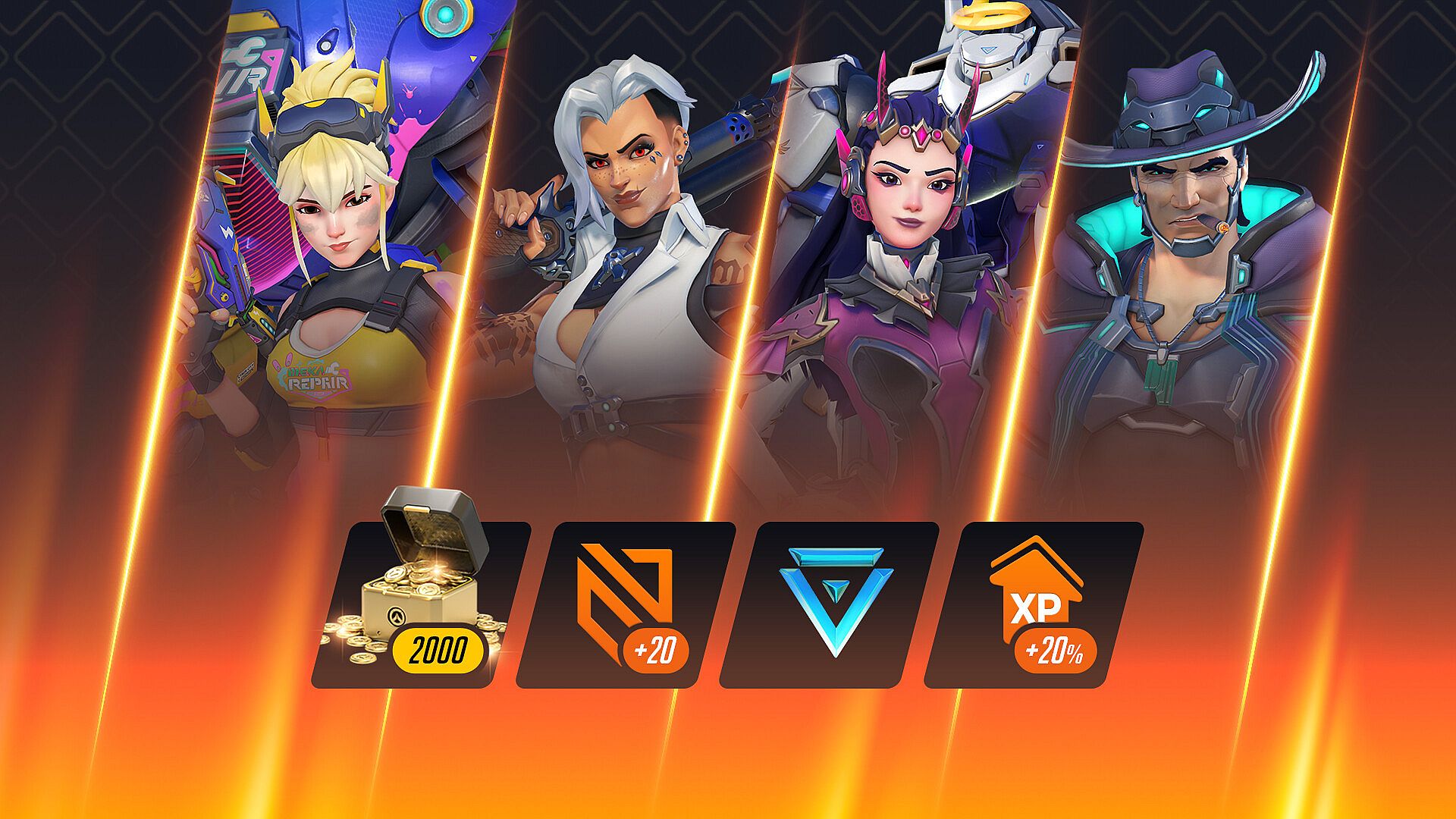
La progresión está vinculada a sistemas de temporada en los que los jugadores obtienen recompensas por jugar de forma habitual. La temporada actual incluye un pase de batalla flexible que permite intercambiar recompensas legendarias y avanzar a ritmo propio. Se pueden conseguir hasta 80 prismas míticos para desbloquear personalizaciones premium, como la skin mítica de Genji o la skin de arma de Sojourn. El contenido adicional incluye skins temáticas como Divine Demon D.Mon y Metalcore Junker Queen, además de 2.000 monedas de Overwatch para adquirir más cosméticos o acelerar el progreso en el pase premium.
Modos de juego
El juego estándar alterna entre seis modos principales disponibles tanto en partidas rápidas como competitivas. Control exige capturar y mantener puntos clave frente al equipo contrario. Escolta obliga a un bando a empujar una carga a lo largo de un trayecto mientras los defensores intentan detenerla. Híbrido combina captura de puntos y escolta de carga en el mismo mapa. Empuje consiste en avanzar un robot hacia la base enemiga en un formato de tira y afloja. Flashpoint reparte varios puntos de captura por zonas amplias para rotaciones dinámicas. Enfrentamiento es la incorporación más reciente y se centra en combates directos en mapas lineales.
El Arcade y las partidas personalizadas amplían las posibilidades con variantes rotativas y eventos de duración limitada. De vez en cuando aparecen modos experimentales como Team Drives, que otorgan puntos competitivos y recompensas visuales durante su periodo de disponibilidad. Estos formatos mantienen la variedad manteniendo la estructura 5v5 en todas las partidas estándar.
Temporadas y actualizaciones de contenido
Overwatch sigue un ciclo de temporadas activo con nuevos héroes, ajustes de mapas y cambios de equilibrio. La temporada 4 de 2026, titulada Reign of Talon: Heroes of Busan, incorpora a la heroína tanque D.Mon y reelaboraciones de mapas como Busan, Paraiso y Eichenwalde. El pase de batalla recibe una revisión importante centrada en la elección del jugador, incluyendo saltos de nivel que acumulan compras excedentes para futuras temporadas más allá del nivel 80. Los eventos de la temporada fomentan la participación mediante desafíos que conceden recompensas adicionales y elementos de historia.
Estas actualizaciones garantizan que el juego evolucione con nuevos cosméticos, ajustes de héroes y sistemas de progresión. Los propietarios del pase de batalla premium obtienen acceso inmediato a objetos legendarios y míticos, y pueden usar monedas para desbloquear niveles directamente.
¿Merece la pena jugarlo?
Overwatch está dirigido a quienes buscan un shooter competitivo por equipos con variedad de héroes y partidas centradas en objetivos. El modelo gratuito permite acceder sin coste, mientras que el pase de batalla y el sistema de monedas ofrecen opciones continuas de cosméticos y progresión. Las temporadas regulares aportan nuevo contenido y parches de equilibrio que mantienen la experiencia actualizada, incluyendo las recompensas flexibles y las opciones míticas disponibles en la temporada 4 de 2026. Quienes busquen actualizaciones constantes y una amplia gama de estilos de juego, tanto en sesiones rápidas como en ranked, encontrarán que el estado actual favorece un compromiso prolongado.