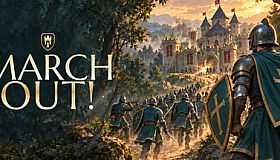


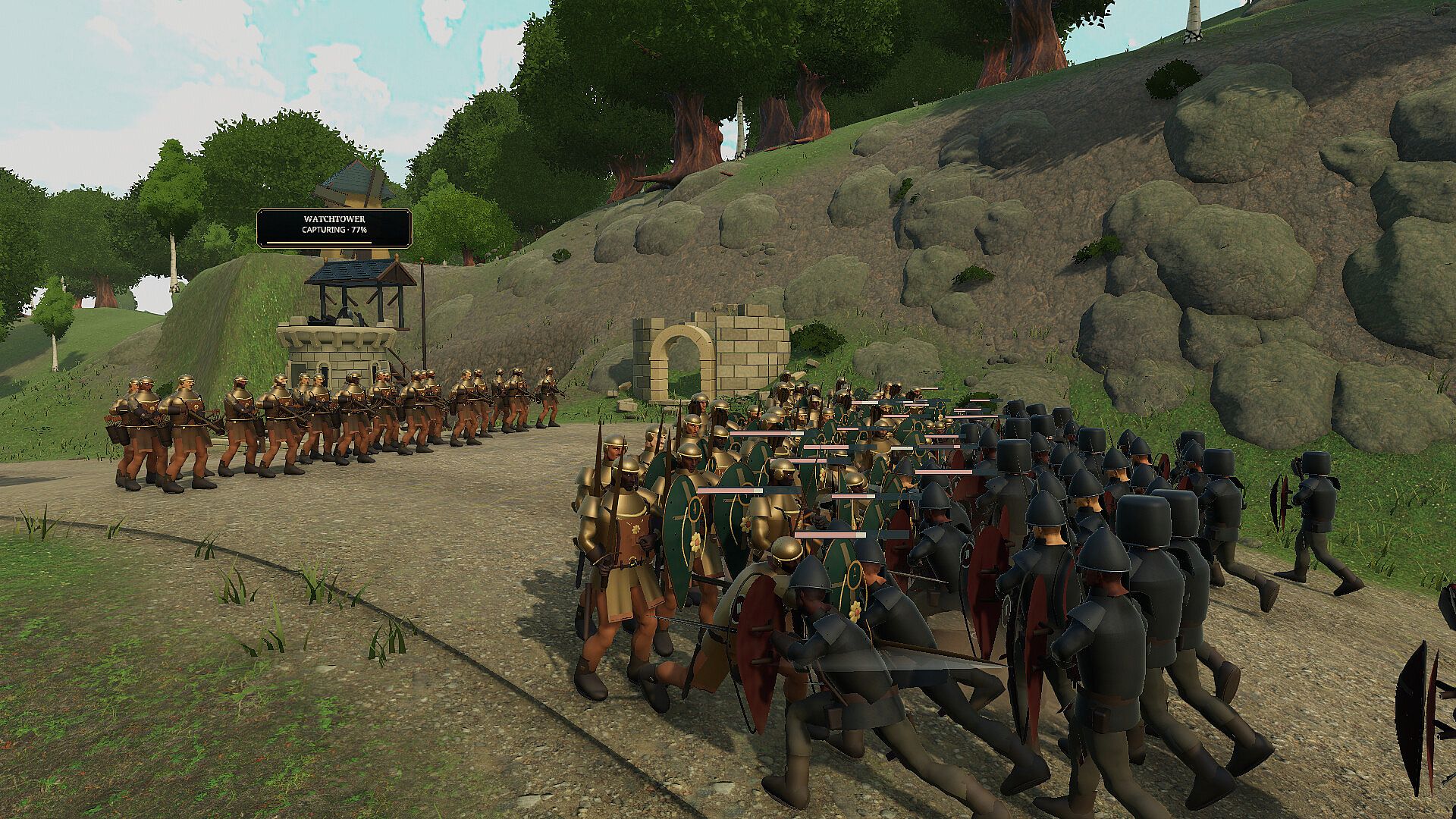
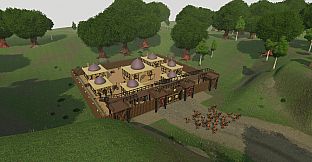
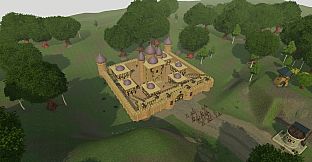
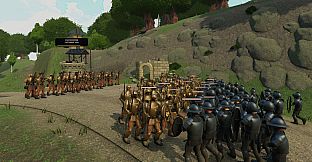
March Out! is an action strategy indie title for PC that blends real-time army command with direct third-person combat in a medieval kingdom setting. Players recruit and develop forces across three technology eras, then lead those troops into battle themselves while managing castle defenses and economy. The experience centers on sieges and territorial control, where decisions about troop composition and positioning carry through both solo progression and competitive matches.
Gameplay
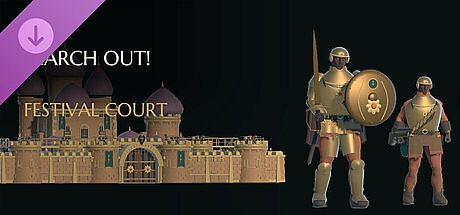
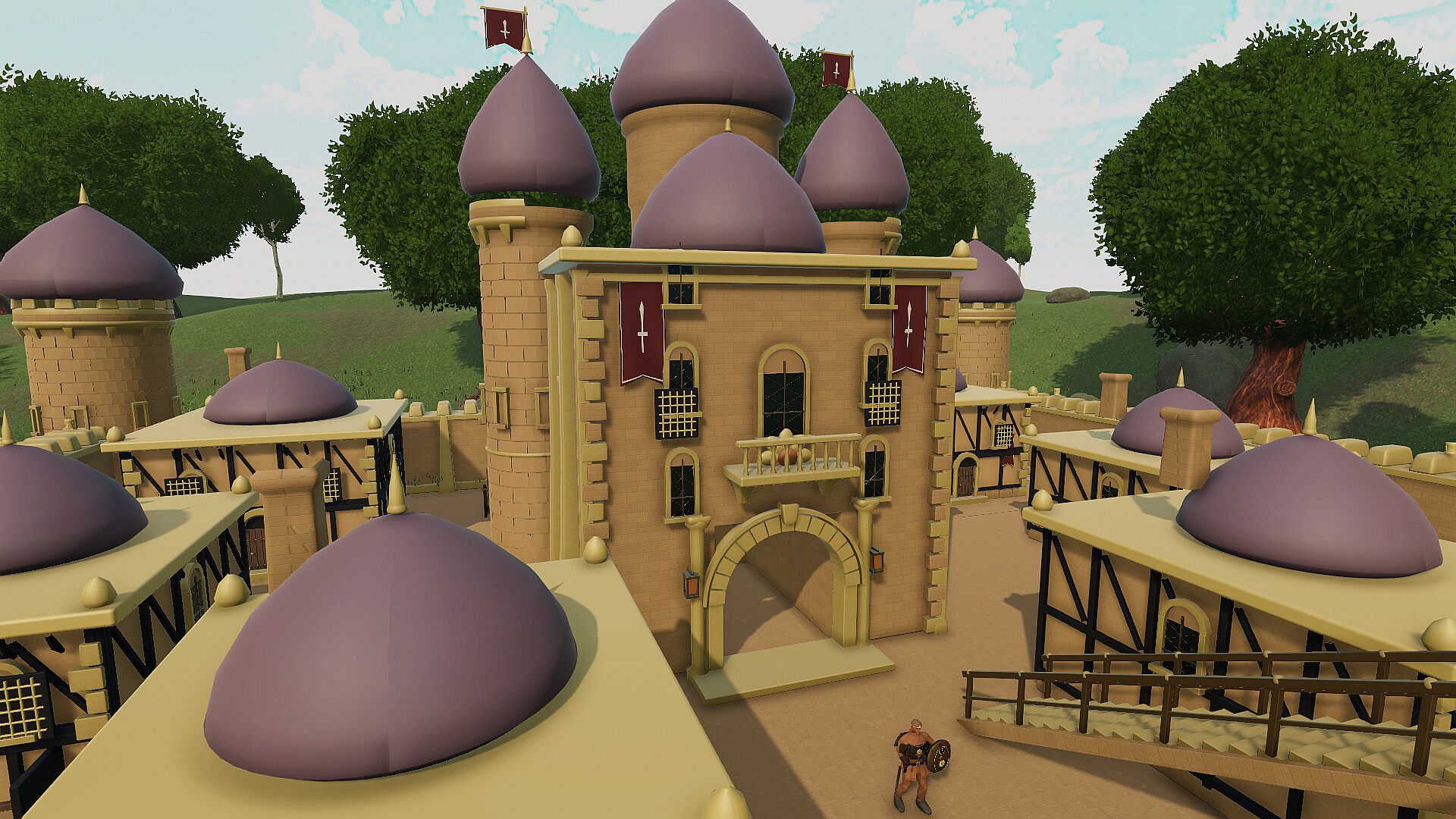
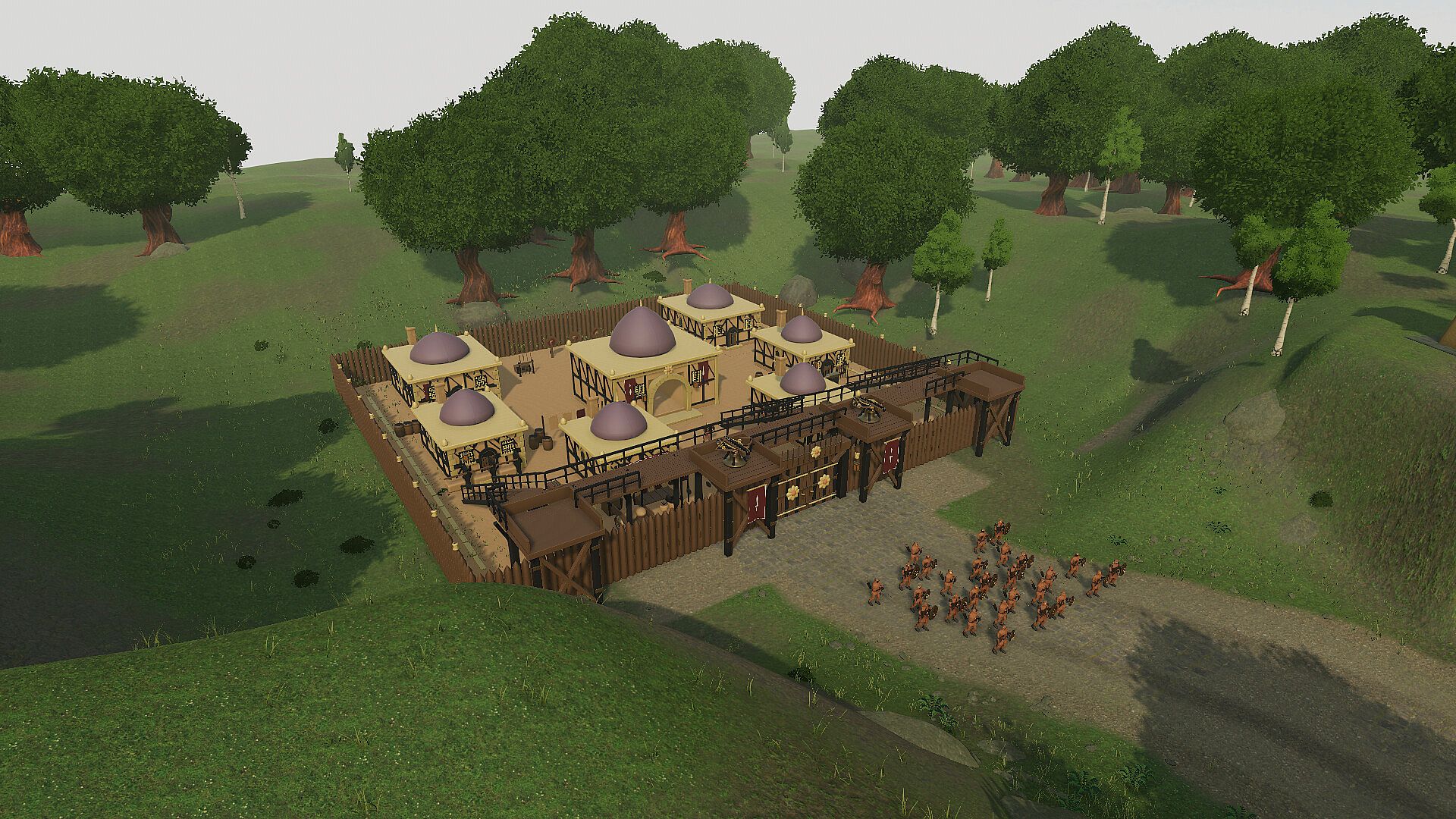
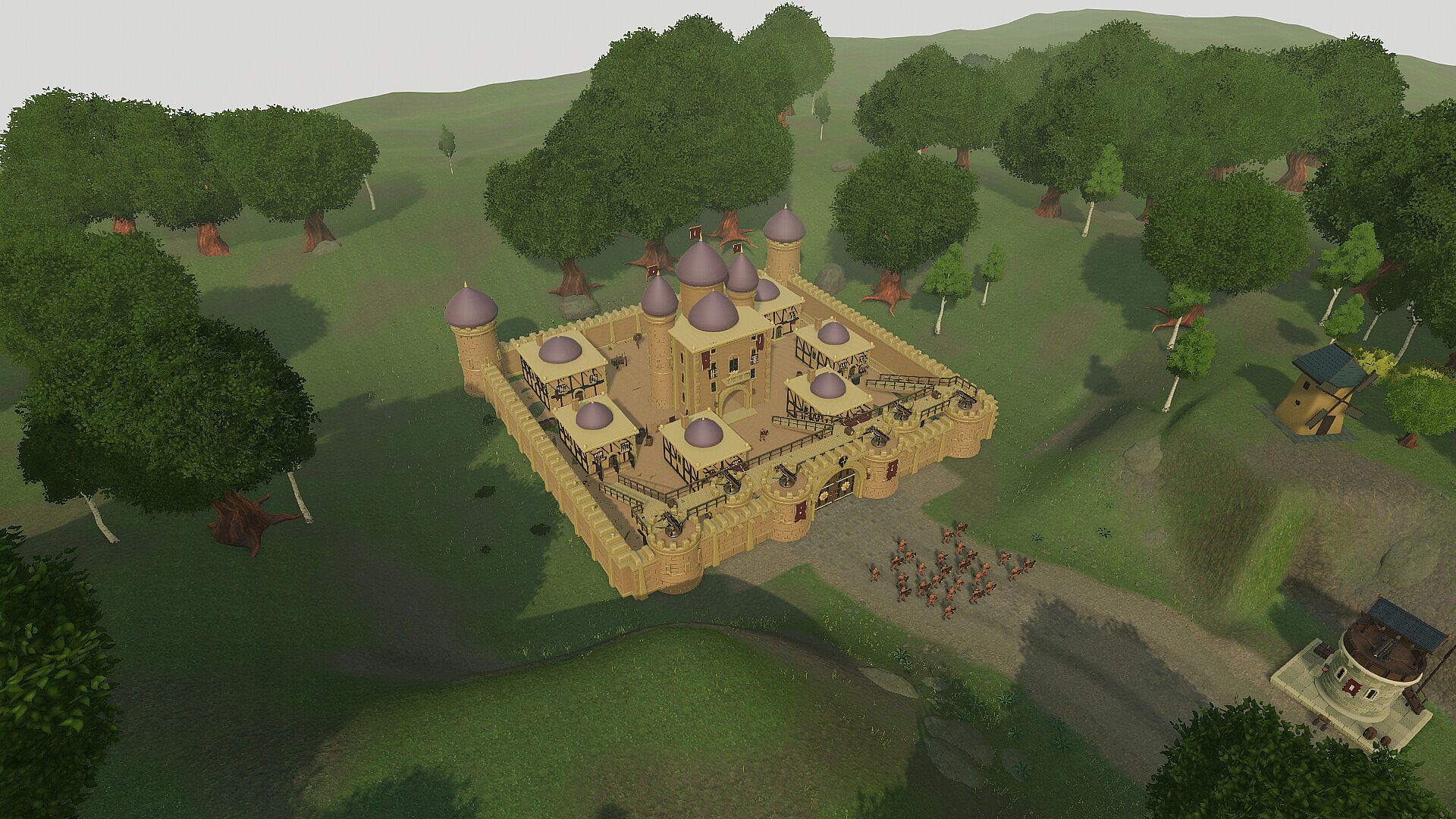
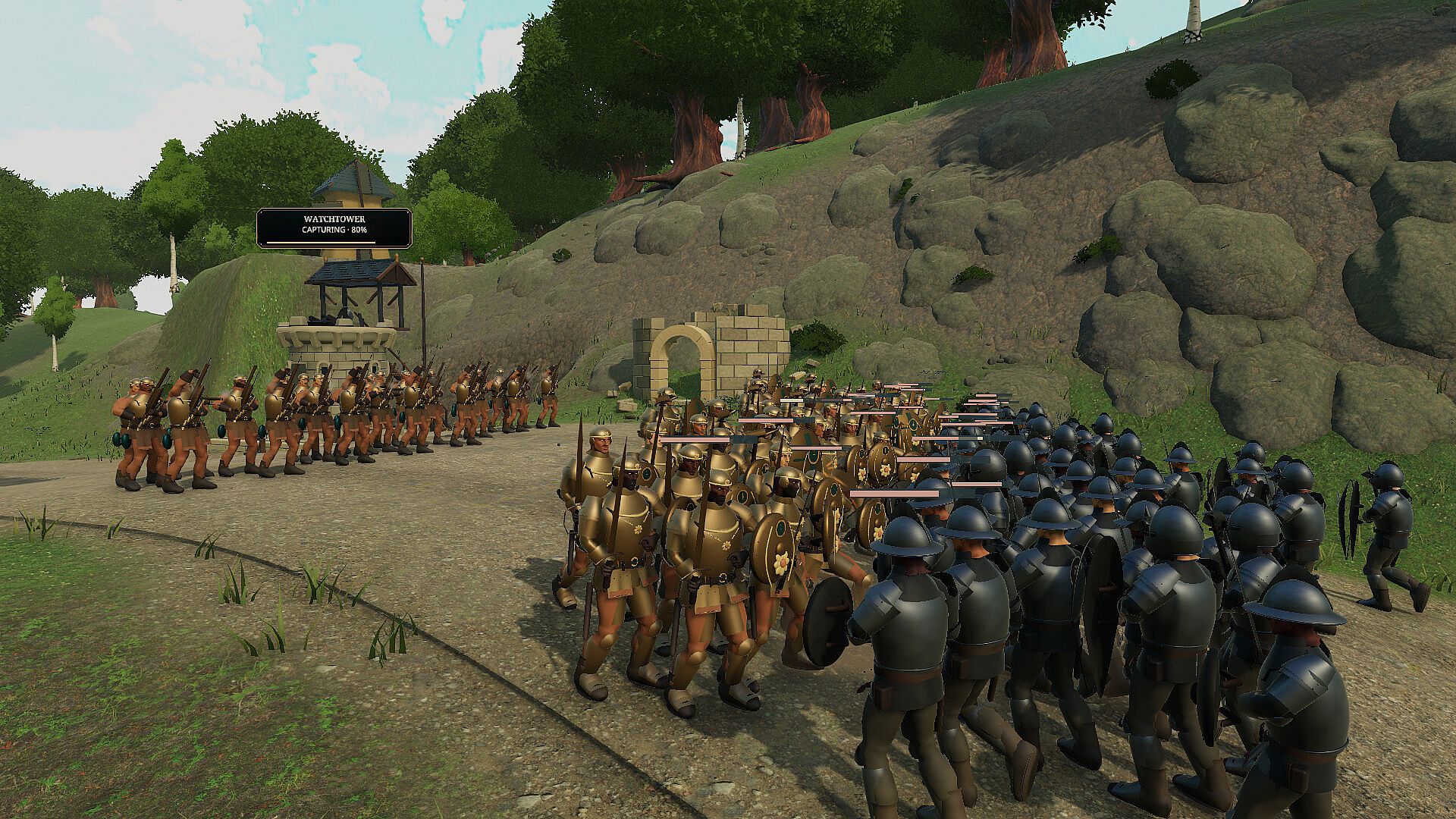
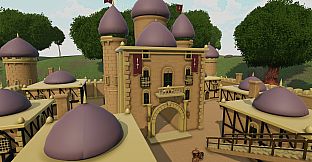
Core play involves building an army from the command hall before marching out to fight. Commanders advance their kingdom through successive eras, unlocking stronger units and abilities while preserving surviving forces between encounters in the campaign. On the battlefield, players issue orders to advance or hold positions, then step into the fray to rally troops, seize wall weapons, or direct artillery. Specialists such as mounted units, war elephants, and cannons add variety to engagements, and economy management includes protecting productive farms and villages that influence gold income. Optional experimental features expand the battlefield with settlements that can be raided or defended, while day and night cycles plus weather alter visibility and atmosphere without changing core rules. Cosmetic collections, including themed sets like Festival Court with its sandstone architecture, embroidered soldiers, and matching troops across all eras, allow players to customize commanders and castles year-round. These options appear consistently in single-player and multiplayer without altering unit strength, costs, or match outcomes.
Game Modes
Single-player centers on a six-siege campaign where the army carries forward after each victory, encouraging careful management of veterans and resources. Multiplayer supports up to four participants through dedicated lobbies with optional proximity voice chat. Castle War pits two players against each other in an extended series of castle conquests that test sustained army and economy strength. King of the Keep challenges two to four kingdoms to capture and hold a central fortress for points. Capture the Banner requires teams to seize a contested objective and return it while protecting their own forces. Last Castle Standing has each player defend a personal stronghold while eliminating rivals. Co-op Last Stand lets two to four players share one castle and coordinate defenses across escalating waves. All modes accommodate the same core recruitment and combat systems, with larger army limits available in select matches for more demanding battles.
Customization and Progression
Between battles, players explore a walkable commander's hall to prepare outfits, heraldry, and kingdom details. Earned marks unlock permanent cosmetic upgrades displayed on the battlefield and in the hall. The Festival Court collection provides a complete themed set with matching commander, melee, ranged, and heavy troops across eras, plus detailed castle gates, walls, and fortifications that show wear and damage during fights. These elements remain visible to other players regardless of ownership and function purely as visual options. Persistent elements such as the Wall of Crowns track achievements, while road defenses like arrow towers or ballista positions can be constructed in campaign and certain multiplayer formats to influence approaches to the castle.
Current State and Updates
The game launched in late October 2026 with ongoing support from its solo developer. Recent updates have introduced experimental battlefield expansions, weather and lighting options, increased specialist allowances, and refinements to siege balance and audio. Co-op survival and weekly challenges provide additional structured play, and the playtest branch continues to test new features ahead of broader release. The title remains available on PC with cross-mode support for the same collections and progression systems.
Is It Worth Playing?
March Out! suits players who enjoy hybrid strategy experiences that combine army-level planning with personal combat participation. The campaign offers structured progression through repeated sieges, while multiplayer modes deliver varied objectives for small groups seeking direct competition or cooperation. Limited early player feedback reflects the recent release, with emphasis on the satisfying loop of recruitment, command, and frontline leadership. Those interested in castle defense mechanics, era-based unit upgrades, and cosmetic kingdom building will find consistent depth across single-player and online sessions. The absence of gameplay-altering monetization keeps focus on the core systems, making it a solid choice for fans of indie action strategy titles centered on medieval warfare.