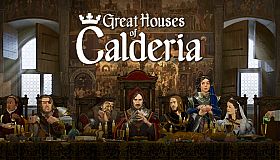





Great Houses of Calderia es un juego de gran estrategia feudal centrado en la dinámica familiar y la lucha por el poder dentro de un mapa fijo de casas nobles. El jugador dirige una única casa a lo largo de varias generaciones, equilibrando la gestión interna con la competencia frente a las casas rivales de Calderia. Las decisiones se basan en los personajes, cuyos rasgos evolucionan con los acontecimientos y afectan tanto a la producción de recursos como a los resultados diplomáticos.
Jugabilidad
El núcleo del juego consiste en administrar a los miembros de la familia y asignarlos a los distintos puestos de un único feudo. Cada personaje posee rasgos y deseos que cambian con el tiempo, por lo que es necesario colocarlos con cuidado en tareas como la supervisión de la producción, las negociaciones comerciales o el mando de tropas. La gestión de recursos sigue un ciclo constante: la producción alimenta las rutas comerciales, que pueden aprovecharse o verse interrumpidas según las circunstancias.
La diplomacia y las intrigas añaden profundidad más allá de la simple expansión. El jugador negocia matrimonios, tratados de paz o repartos de títulos, tomando decisiones clave para obtener ventaja sobre los rivales. El sistema de intrigas permite tramas y sobornos, mientras que los conflictos sociales surgen de las relaciones entre casas y de los eventos aleatorios. Las acciones militares se resuelven con un sistema táctico en tiempo real, aunque el resultado depende en igual medida de la preparación diplomática y económica previa.
Las tradiciones funcionan como sistema principal de progresión. Estos valores de la casa se desarrollan durante la partida y determinan cómo se percibe a la familia, desbloqueando ventajas que se ajustan a las decisiones tomadas. El mapa incluye entre treinta y cuarenta ubicaciones ocupadas por otras casas nobles organizadas en una jerarquía feudal que va desde condes hasta rangos superiores. El ritmo en tiempo real permite pausar en cualquier momento para planificar, manteniendo el foco en el territorio controlado mientras se interactúa con el resto del mundo mediante viajes y acuerdos.
Modos de juego
El título ofrece una experiencia individual continua sin modos separados ni componentes multijugador. El jugador comienza creando o seleccionando una casa y sus tradiciones, y avanza en una campaña única de varias generaciones. Todos los elementos se integran en una sola sesión en la que las historias familiares se desarrollan al mismo tiempo que la construcción del feudo.
La progresión combina el desarrollo interno de la casa con las interacciones externas. No existen escenarios ni variantes distintas; la estructura invita a repetir partidas eligiendo casas diferentes y tomando decisiones que generan narrativas y resultados de poder variados.
Mecánicas y sistemas principales
La gestión familiar es el elemento más característico. Los líderes y parientes asumen varias responsabilidades a la vez, y la distribución del tiempo junto con sus rasgos determina la eficacia en aspectos como la seguridad, las mejoras de producción o el rendimiento en combate. Los eventos ligados a los personajes impulsan la historia y modifican las relaciones con las demás casas.
La economía y la resolución de conflictos siguen un enfoque inspirado en juegos de mesa. Las negociaciones comerciales requieren participación directa, y las batallas combinan control táctico con preparación estratégica general. La geografía fija mantiene dinámicas de rivalidad consistentes, mientras que las personalidades de los personajes introducen variabilidad en la forma en que cada casa responde a las mismas situaciones.
¿Merece la pena jugarlo?
Great Houses of Calderia alcanzó su lanzamiento completo el 2 de mayo de 2024 tras un período en acceso anticipado. Las reseñas de usuarios en Steam se sitúan en un estado mixto, con alrededor del 60 % de valoraciones positivas entre varios cientos de opiniones. La recepción destaca la ambición de combinar elementos centrados en la familia con la gran estrategia, aunque señala carencias en profundidad y pulido en comparación con otros títulos consolidados del género.
El juego resulta adecuado para jugadores interesados en una estrategia feudal centrada en los personajes, donde los rasgos personales y las tradiciones de la casa condicionan la planificación a largo plazo. Quienes busquen campañas militares extensas o la construcción de grandes imperios pueden encontrar limitante el enfoque en un único feudo y el énfasis en la diplomacia y las intrigas. El soporte posterior al lanzamiento parece reducido, por lo que la experiencia principal se ofrece como un paquete completo para quienes se sientan atraídos por su bucle específico de gestión familiar.