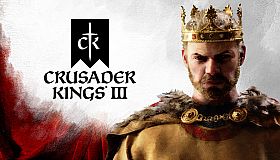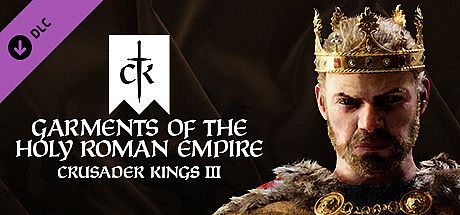



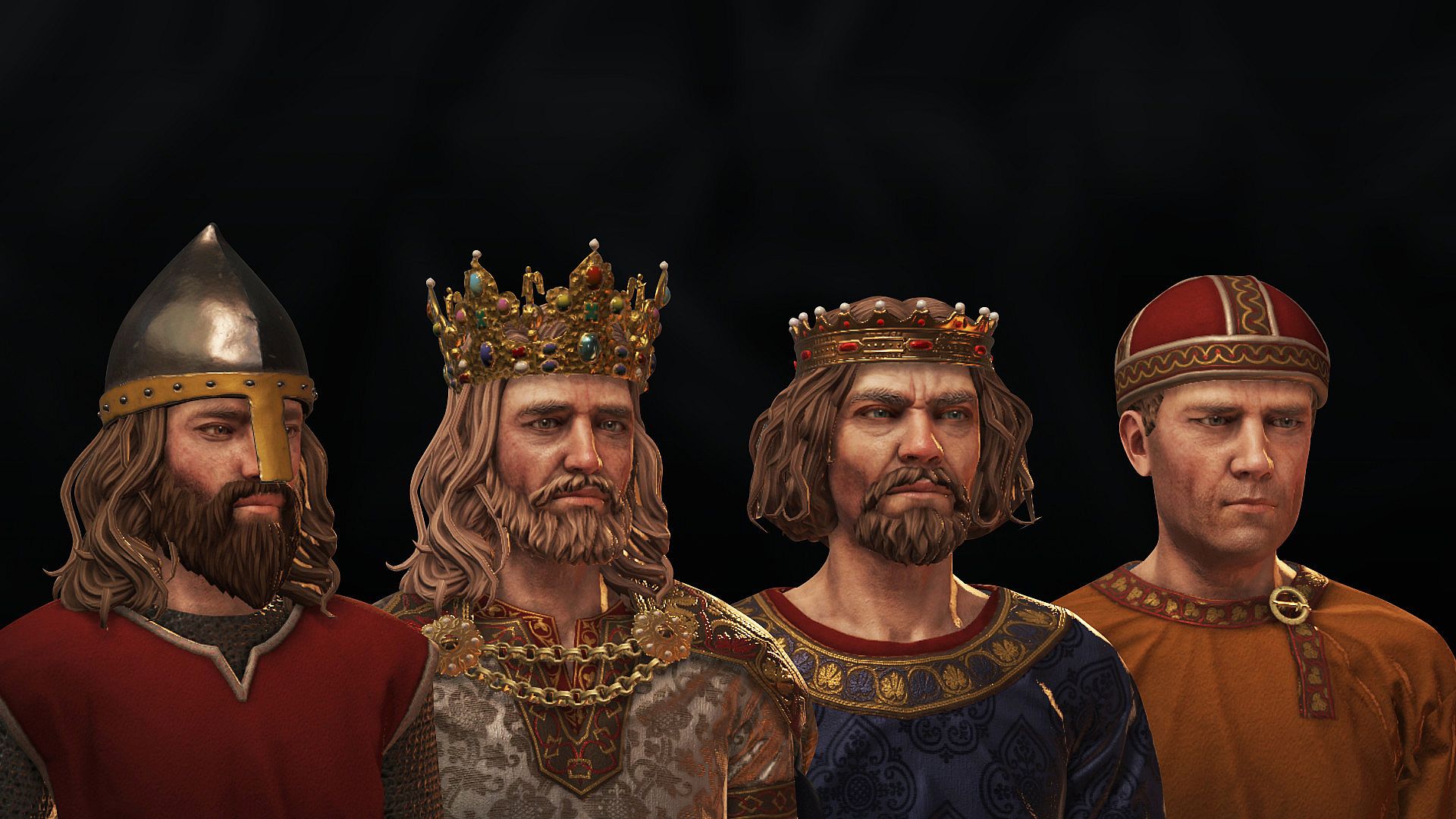
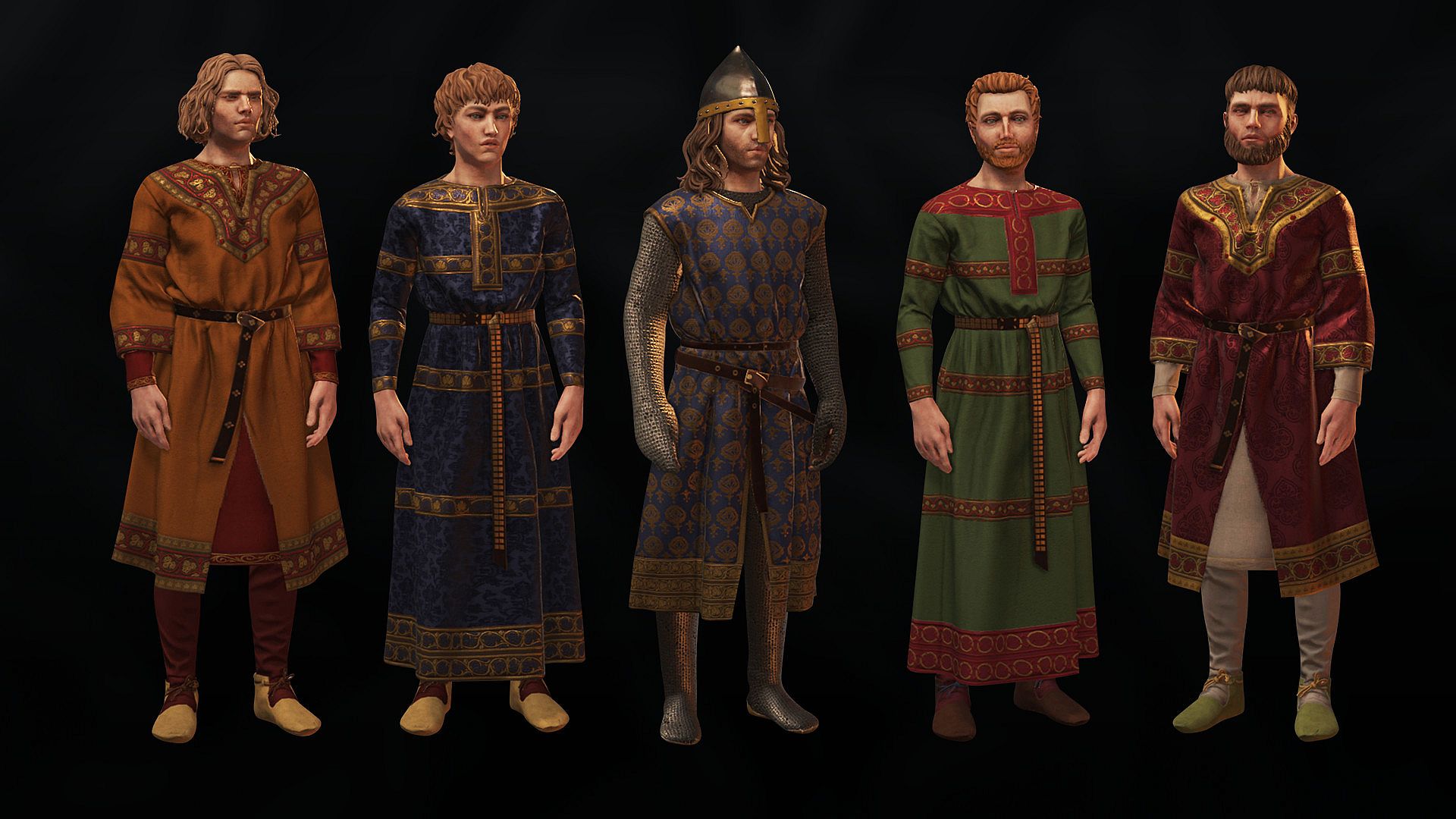
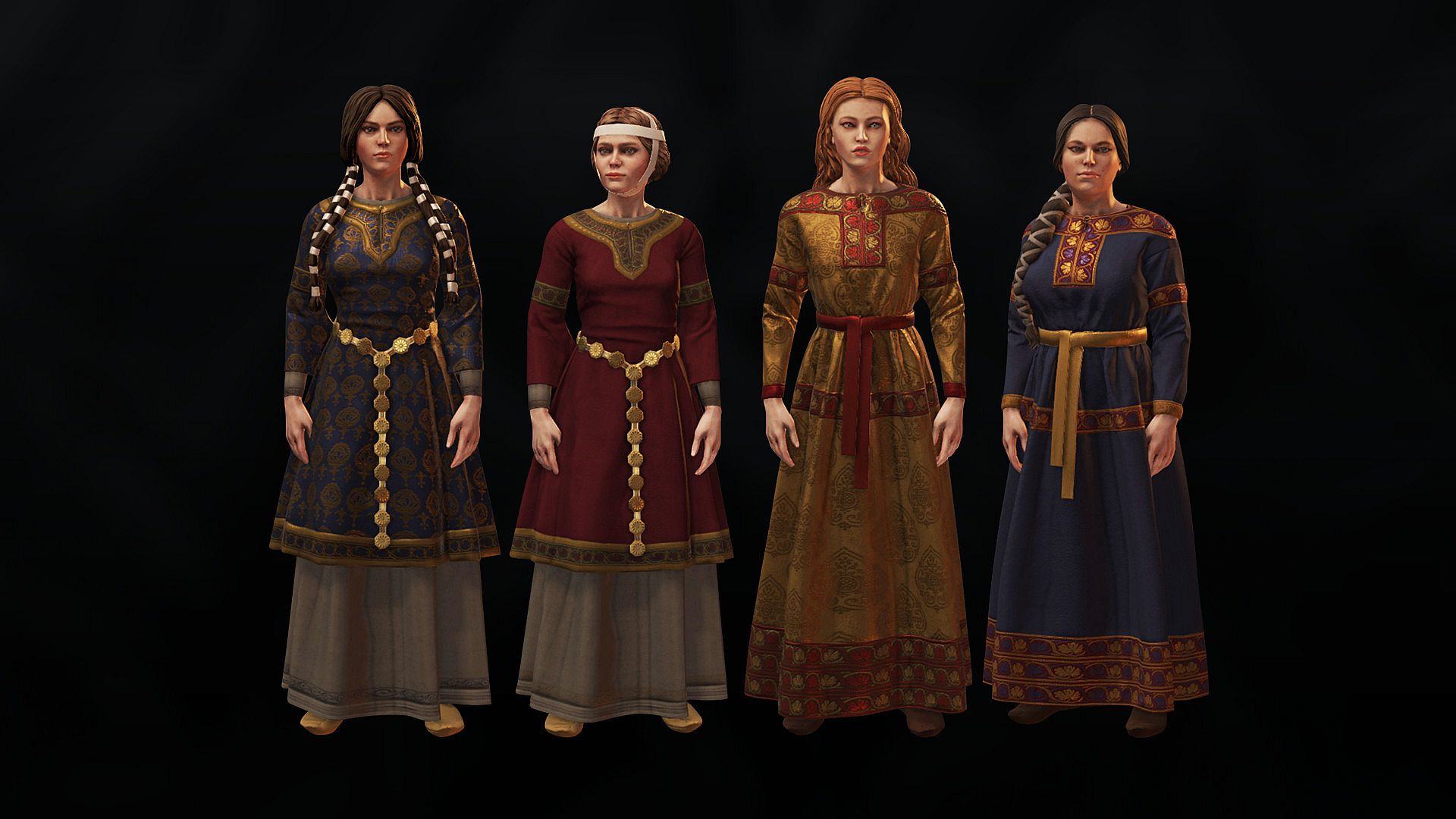
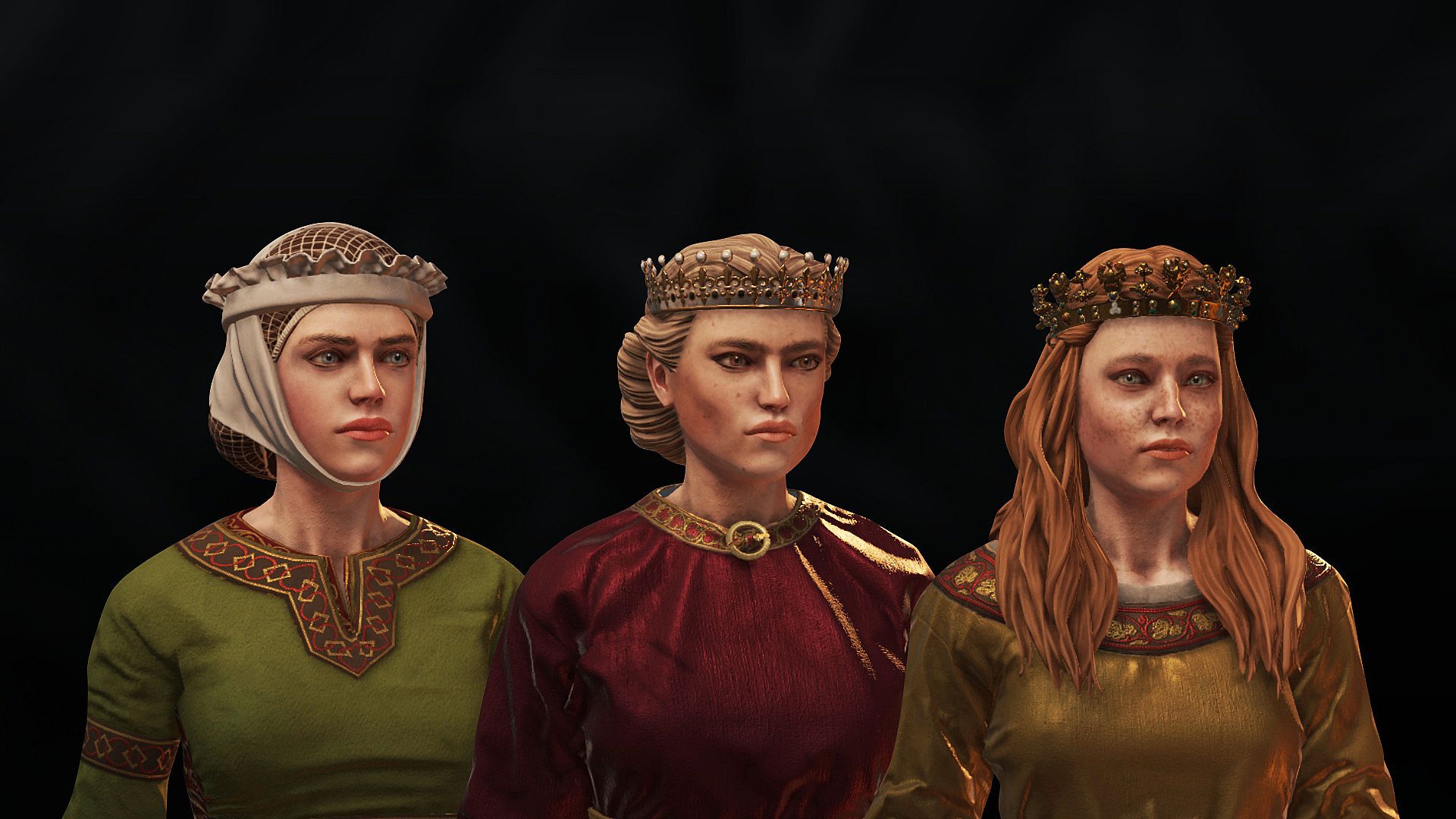
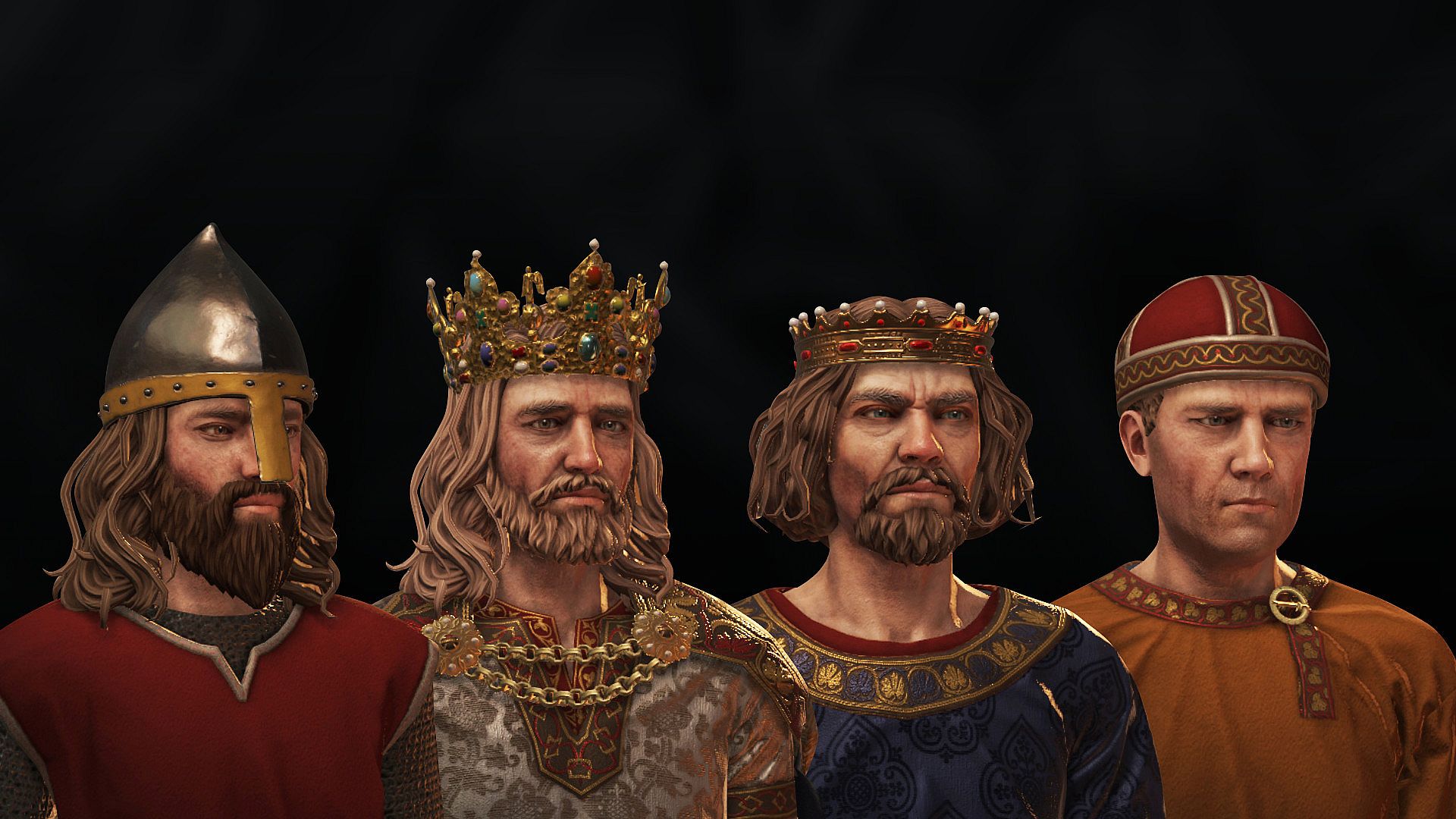
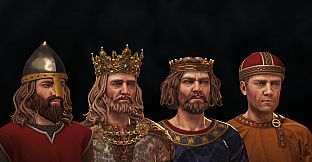
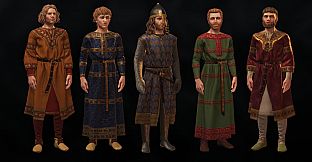
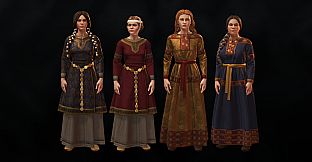
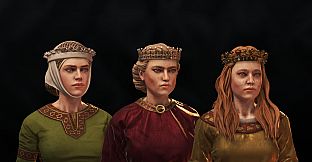
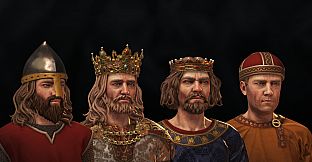
Crusader Kings III: Garments of the Holy Roman Empire incorpora un conjunto de opciones de vestimenta al juego base en PC. Esta simulación de estrategia y rol sitúa al jugador al frente de dinastías medievales en Europa y otros territorios, centrándose en el desarrollo a largo plazo de los personajes y en las maniobras políticas. Las prendas añadidas aportan variedad visual a los personajes de los escenarios de Europa Central, abarcando desde plebeyos y guerreros hasta gobernantes vinculados al Sacro Imperio Romano Germánico.
Jugabilidad
Los sistemas principales giran en torno a la gestión de un personaje y su linaje a lo largo de varias generaciones. El jugador se encarga de la sucesión, las alianzas matrimoniales y la política interna de la corte, al tiempo que expande el territorio mediante la diplomacia o el conflicto. Los rasgos de cada personaje influyen en las decisiones, mientras que las intrigas permiten actuar de forma indirecta contra rivales o familiares. La simulación controla el estrés, la salud y las relaciones personales, factores que afectan tanto a la eficacia del gobernante como a la estabilidad del reino.
La guerra forma parte de una estrategia más amplia y exige preparación a través de levas, caballeros y alianzas, en lugar de un control táctico directo. La gestión económica abarca las propiedades, el desarrollo y los impuestos que financian proyectos militares y culturales. Los mecánicas culturales y religiosas permiten moldear las sociedades mediante tradiciones, innovaciones y reformas de fe que se extienden por distintas regiones.
Modos de juego
La experiencia principal se desarrolla en una campaña continua para un solo jugador que comienza en fechas históricas seleccionables. El modo multijugador permite sesiones cooperativas o competitivas en las que varios jugadores gestionan sus propias dinastías dentro del mismo mundo, con la posibilidad de perseguir objetivos compartidos u opuestos. No existen clasificatorias competitivas ni eventos con límite de tiempo; las partidas se centran en una progresión abierta hasta que el jugador decide finalizarlas o reiniciarlas.
Mecánicas y sistemas principales
Las leyes de sucesión determinan los patrones de herencia y pueden provocar la fragmentación del reino si no se gestionan con cuidado. Los estilos de vida permiten especializarse en ámbitos como la destreza marcial, la administración o la intriga, desbloqueando nuevas habilidades y eventos. El sistema de estrés añade consecuencias por el exceso de responsabilidades, obligando a los gobernantes a equilibrar su bienestar personal con las necesidades políticas.
La gestión del reino incluye el nombramiento de consejeros, la modificación de leyes y la mejora de edificios que potencian las provincias con el paso del tiempo. Los eventos derivados de las interacciones entre personajes generan ramificaciones narrativas que modifican las relaciones y las opciones disponibles sin seguir un guion fijo.
¿Merece la pena jugarlo?
El juego base sigue manteniendo el interés de los jugadores años después de su lanzamiento gracias a las actualizaciones periódicas que refinan los sistemas y añaden contenido. La recepción destaca su profundidad en la simulación dinástica y en la narración emergente, atrayendo a quienes disfrutan combinando la planificación estratégica con elementos de rol. El pack de vestimenta se integra de forma natural para quienes se centran en campañas de Europa Central, ofreciendo opciones cosméticas sin modificar las reglas principales.
Quienes buscan una simulación política detallada y una progresión generacional encontrarán un alto valor de rejugabilidad en distintas fechas de inicio y elecciones de personaje. La experiencia está pensada para jugadores pacientes que se sientan cómodos leyendo descripciones y experimentando con las mecánicas, en lugar de buscar acción rápida. El soporte continuo mantiene el título actualizado tanto para nuevos usuarios como para quienes regresan al juego de estrategia medieval en PC.